



Gaming Audio Technology Conquers Corporate Meetings
Sony’s PlayStation headsets have quietly infiltrated corporate America, transforming how remote workers communicate during video calls and virtual meetings. What started as gaming accessories designed for marathon sessions of multiplayer battles have become the unexpected champions of professional audio, outselling traditional business headsets in several market segments.
The shift began during the pandemic when remote workers discovered that their gaming headsets delivered superior audio quality compared to standard computer headphones or built-in laptop microphones. Now, major corporations report that employees are purchasing Sony’s gaming headsets through corporate procurement programs, citing better noise cancellation, comfort during long meetings, and crystal-clear microphone quality.

Superior Noise Isolation Drives Corporate Adoption
Sony’s gaming headsets excel in environments that mirror remote work challenges. Gaming requires precise audio cues while blocking out household distractions – the same demands faced by remote workers juggling conference calls with background noise from children, pets, or construction.
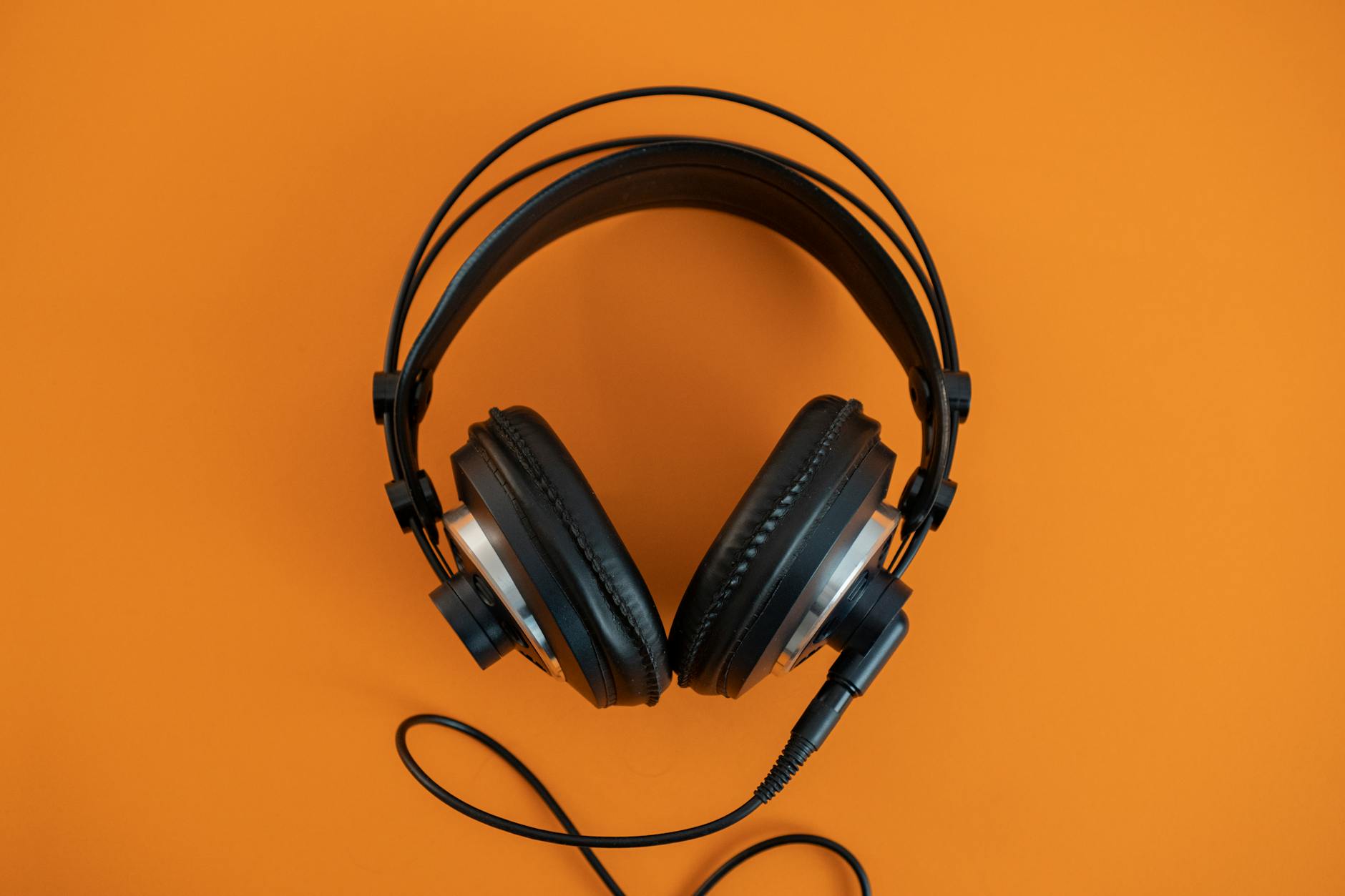
The Pulse 3D headset, originally designed for PlayStation 5 gaming, features advanced noise isolation technology that effectively eliminates keyboard typing, air conditioning hums, and ambient household sounds during video conferences. Corporate IT departments have noted that employees using gaming headsets generate fewer support tickets related to audio issues during meetings.
Unlike traditional business headsets that prioritize lightweight designs for brief calls, gaming headsets are engineered for extended comfort during multi-hour sessions. This translates perfectly to all-day remote work scenarios where employees attend back-to-back virtual meetings. The padded ear cups and adjustable headbands that prevent gaming fatigue serve the same function during lengthy corporate video calls.
Business audio equipment manufacturers have struggled to match the price-to-performance ratio that gaming companies achieved through economies of scale. Sony produces gaming headsets in massive quantities, allowing them to incorporate premium audio components at price points that undercut specialized business headset manufacturers.
Enterprise Features Hidden in Gaming Hardware
Sony’s gaming headsets include features that inadvertently serve professional needs better than products specifically designed for business use. The mute buttons, originally intended for quick communication control during online gaming, provide instant privacy during conference calls when household interruptions occur.
The microphone monitoring capabilities, designed to help gamers hear their own voice levels during team coordination, help remote workers maintain appropriate speaking volumes during virtual meetings. This prevents the common video call problems of participants speaking too loudly or too softly for optimal communication.
Gaming headsets also offer multiple connectivity options that prove valuable in professional settings. Many models support both USB and wireless connections, allowing users to seamlessly switch between computer calls and mobile phone conferences without changing devices. This flexibility mirrors the multi-device reality of modern remote work environments.

The durability standards for gaming hardware exceed those of typical business peripherals. Gaming headsets undergo rigorous testing for extended use, frequent adjustments, and regular transport – conditions that mirror the daily reality of remote workers who move between home offices, coffee shops, and co-working spaces.
Market Numbers Reflect Shifting Workplace Trends
Industry analysts report that gaming headset sales to business users increased significantly over the past three years, with Sony capturing a substantial portion of this crossover market. Corporate purchasing departments have noted increased requests for gaming headsets as approved remote work equipment, often replacing traditional business communication tools in company catalogs.
The trend extends beyond individual purchases to bulk corporate orders. Several Fortune 500 companies have standardized on gaming headsets for their remote workforce after pilot programs demonstrated improved meeting audio quality and reduced technical support requirements.
Technology integration also plays a role in this market shift. Sony’s gaming headsets work seamlessly with popular business communication platforms like Zoom, Microsoft Teams, and Slack, often providing better compatibility than headsets specifically marketed for business use. The plug-and-play simplicity that gamers demand translates directly to reduced IT complexity for corporate environments.
The crossover success has influenced Sony’s product development strategies. Recent headset models include features that serve both gaming and professional markets, such as improved microphone noise suppression algorithms and longer battery life for extended video conferences. This represents a recognition that the line between gaming and professional audio equipment continues to blur.
Professional Audio Standards Meet Consumer Pricing
The gaming industry’s competitive pressure has driven audio innovation that benefits professional users. Sony’s investment in spatial audio technology for gaming creates three-dimensional soundscapes that help remote workers better distinguish between different speakers during large video conferences, improving communication clarity in virtual meetings with multiple participants.
Gaming headsets also benefit from continuous firmware updates that improve performance over time, something rarely seen in traditional business audio equipment. These updates often include enhancements to noise cancellation algorithms, microphone sensitivity adjustments, and compatibility improvements with new software platforms.
The success of gaming headsets in professional markets signals a broader shift in how workplace technology evolves. Rather than waiting for purpose-built business solutions, remote workers are adapting consumer gaming technology to meet their professional needs, often achieving better results at lower costs.
As hybrid work arrangements become permanent fixtures in corporate culture, the demand for high-quality personal audio equipment will likely continue growing. Sony’s gaming division has positioned itself advantageously in this evolving market by creating products that excel in both entertainment and professional applications, suggesting that the convergence between gaming and workplace technology will deepen rather than diminish.
The gaming headset invasion of corporate America demonstrates how technological innovation often emerges from unexpected sources, with solutions designed for one market proving superior in entirely different applications. This cross-pollination between gaming and professional tools reflects the changing nature of work itself, where the boundaries between personal and professional technology use continue to evolve.
Frequently Asked Questions
Why are gaming headsets better for remote work than business headsets?
Gaming headsets offer superior noise isolation, extended comfort for long sessions, and better price-to-performance ratios than traditional business audio equipment.
Do Sony gaming headsets work with business video conferencing platforms?
Yes, Sony gaming headsets are compatible with major platforms like Zoom, Microsoft Teams, and Slack, often with better plug-and-play simplicity than business-specific models.