



Microsoft’s gaming strategy has taken a dramatic turn. Instead of focusing solely on selling Xbox consoles, the company is betting its future on making Game Pass accessible everywhere – starting with smart TVs that can stream games without any console at all.
The shift represents one of the boldest moves in gaming history. Phil Spencer, head of Xbox, has repeatedly emphasized that Microsoft’s goal isn’t to win the console wars, but to reach players wherever they are. Smart TV integration accomplishes exactly that, turning any modern television into a potential Xbox.
Samsung’s Gaming Hub already offers Xbox Cloud Gaming through Game Pass Ultimate, allowing users to stream titles like “Halo Infinite” and “Forza Horizon 5” directly to their TV. LG followed suit with similar integration on their webOS platform. The experience requires nothing more than a Bluetooth controller and a solid internet connection.
The Technical Foundation Behind TV Gaming
Cloud gaming technology has finally reached the point where lag and visual quality issues no longer create major barriers. Microsoft’s Azure infrastructure powers Xbox Cloud Gaming, utilizing thousands of custom Xbox Series X server blades in data centers worldwide.
The streaming quality has improved dramatically since the service launched. Games now render at 1080p resolution with plans for 4K streaming already in testing. Input lag, once the biggest complaint about cloud gaming, has dropped to levels that make competitive gaming feasible for many players.
Smart TV manufacturers have embraced this shift because it adds premium features without requiring expensive hardware upgrades. A television that can stream high-end games becomes more valuable to consumers, especially as traditional TV viewing continues declining among younger demographics.
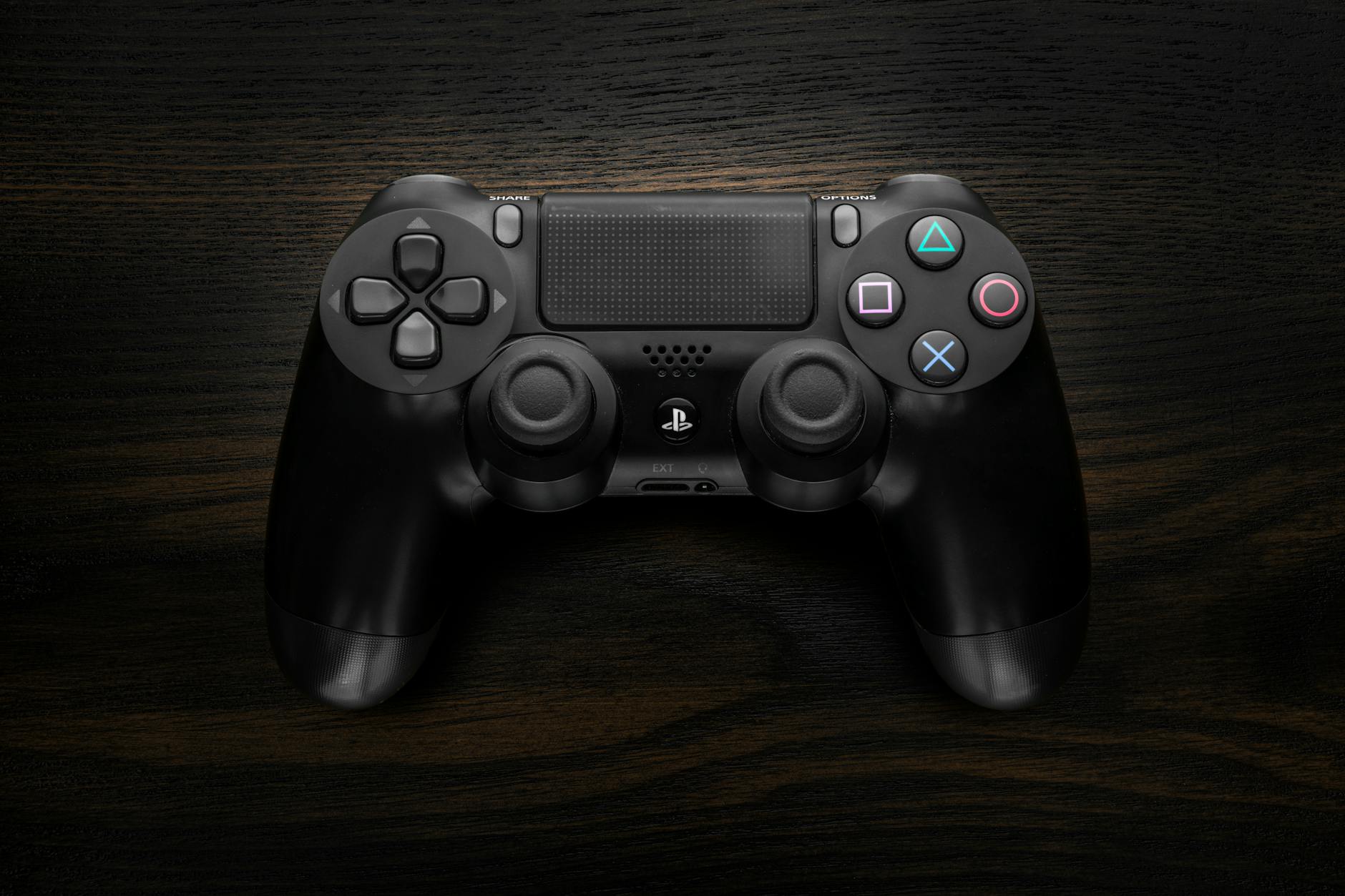
The controller requirement remains, but Microsoft has made this easier by ensuring broad Bluetooth compatibility. Most wireless Xbox controllers work seamlessly with smart TVs, and third-party alternatives are widely available. Some TV manufacturers are even exploring built-in gaming controls or smartphone app alternatives.
Market Impact on Traditional Console Sales
Early data suggests smart TV gaming is indeed affecting console purchases. Market research from Ampere Analysis indicates that households with Game Pass access through smart TVs are 40% less likely to purchase a dedicated gaming console within the following year.
This trend particularly impacts the entry-level console market. The Xbox Series S, positioned as an affordable gaming option, faces direct competition from smart TV streaming that requires no upfront hardware cost beyond the controller. The Series S has found success as a budget option, but smart TV integration challenges that positioning.
However, the impact isn’t uniformly negative for Microsoft. Game Pass subscriptions have grown significantly, with smart TV access being a major driver. The company earns recurring revenue from subscriptions rather than one-time console sales, creating a more predictable business model.
Sony faces a more challenging situation. PlayStation’s gaming model still relies heavily on exclusive titles tied to PlayStation hardware. While Sony has experimented with PC releases and cloud gaming, they lack Microsoft’s extensive cloud infrastructure and cross-platform strategy.
Gaming Performance and Library Limitations
Smart TV gaming works exceptionally well for many Game Pass titles, but limitations persist. Single-player campaigns, puzzle games, and strategy titles translate perfectly to streaming. “Microsoft Flight Simulator” runs beautifully on smart TVs, showcasing the visual potential of cloud gaming.
Competitive multiplayer games present more challenges. Fighting games, first-person shooters, and racing games that demand precise timing still favor local hardware. Professional esports players and serious competitive gamers continue purchasing consoles for the performance advantage.
The Game Pass library available through smart TVs matches the full cloud gaming catalog, but not every Xbox game supports cloud streaming. Microsoft continues expanding cloud compatibility, but some titles may never make the transition due to technical limitations or licensing restrictions.
Internet requirements remain a significant barrier. Stable broadband connections aren’t universal, and data caps can make cloud gaming expensive for some users. Rural areas often lack the connection quality needed for smooth streaming, maintaining demand for traditional consoles in those markets.
Industry Response and Future Implications
Other gaming companies are adapting to this streaming reality. NVIDIA’s GeForce Now service already supports smart TV platforms, allowing users to stream Steam games and other PC titles. Amazon’s Luna service offers similar functionality with its own game library.
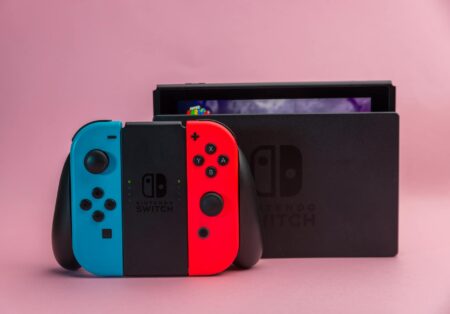
Traditional console manufacturers are responding differently. Nintendo continues focusing on hybrid portable gaming with the Switch, a strategy that remains largely immune to cloud gaming competition. Sony is expanding PlayStation Now (now PlayStation Plus Premium) but hasn’t achieved the same smart TV penetration as Microsoft.
Microsoft’s broader smart home gaming strategy extends beyond just smart TVs, integrating with voice assistants and home automation systems to create seamless gaming experiences.
The smartphone integration aspect continues evolving. Microsoft’s Xbox app allows game streaming to phones and tablets, while smart TVs handle the big-screen experience. This creates a gaming ecosystem that follows users across all their devices.

The implications extend beyond gaming into entertainment broadly. Smart TVs with gaming capabilities become all-in-one entertainment centers, potentially reducing demand for separate streaming devices, gaming consoles, and even some home theater equipment.
Game developers are beginning to design with cloud gaming in mind. User interface elements need to work well on large screens viewed from across the room. Control schemes must accommodate the TV gaming experience while still functioning on traditional consoles and PCs.
Microsoft’s smart TV gaming strategy represents more than just another way to play games – it’s a fundamental reimagining of how the gaming industry reaches consumers. As internet infrastructure improves and more households adopt compatible smart TVs, this trend will likely accelerate, potentially making dedicated gaming consoles a niche product within the next decade.
Frequently Asked Questions
Can I play Xbox games on my smart TV without a console?
Yes, many smart TVs now support Xbox Cloud Gaming through Game Pass Ultimate, requiring only a Bluetooth controller.
What internet speed do I need for smart TV gaming?
Microsoft recommends at least 10 Mbps for 720p gaming and 20 Mbps for 1080p streaming quality.