




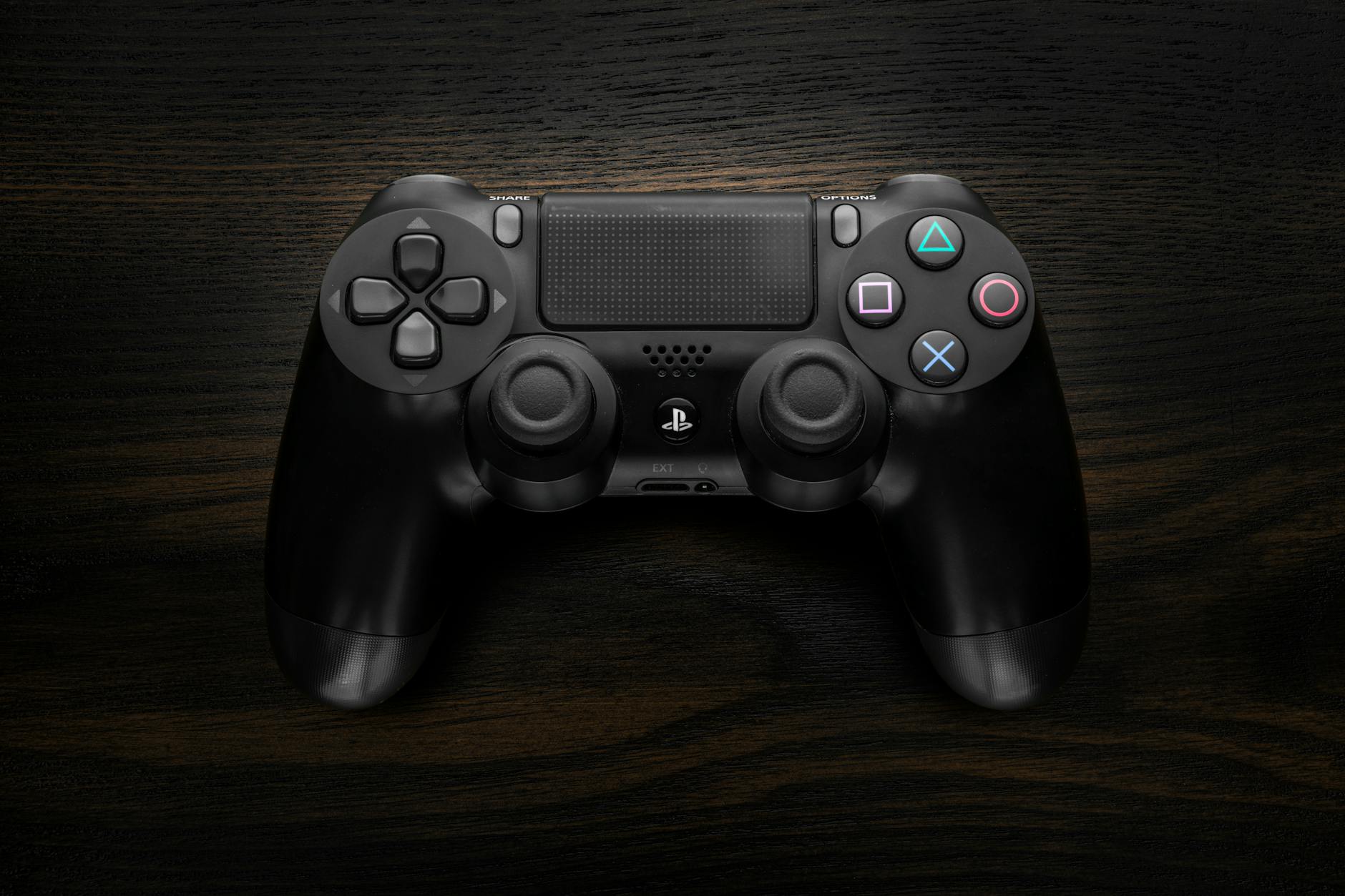
The PlayStation 5’s DualSense controller revolutionized gaming with its advanced haptic feedback and adaptive triggers. Now, that same technology is making an unexpected leap beyond consoles into VR fitness equipment, creating workout experiences that blur the line between gaming and exercise.
Fitness companies are licensing Sony’s haptic feedback technology to create immersive workout environments that respond to every movement. The DualSense’s ability to simulate textures, resistance, and environmental feedback translates perfectly to virtual reality fitness, where users need tactile cues to stay engaged and maintain proper form during workouts.
From Gaming Controllers to Fitness Innovation
Sony’s DualSense technology centers on two key innovations: adaptive triggers that can simulate varying levels of resistance, and advanced haptic motors that replace traditional rumble with precise tactile feedback. These features, originally designed to make players feel the tension of drawing a bow or the texture of different surfaces in games, are now being adapted for fitness applications.
Several VR fitness companies have partnered with Sony to integrate DualSense technology into their equipment. FitXR, a popular VR fitness platform, recently announced they’re developing haptic feedback gloves that use Sony’s technology to simulate the resistance of punching bags, the weight of dumbbells, and even the sensation of climbing walls in virtual environments.
Black Box VR, another major player in the VR fitness space, is incorporating DualSense haptics into their full-body workout systems. Their latest equipment can simulate the feeling of rope climbing, rock climbing, and resistance training without physical weights, using adaptive trigger technology to create authentic resistance curves that match real exercise movements.
The Science Behind Haptic Fitness
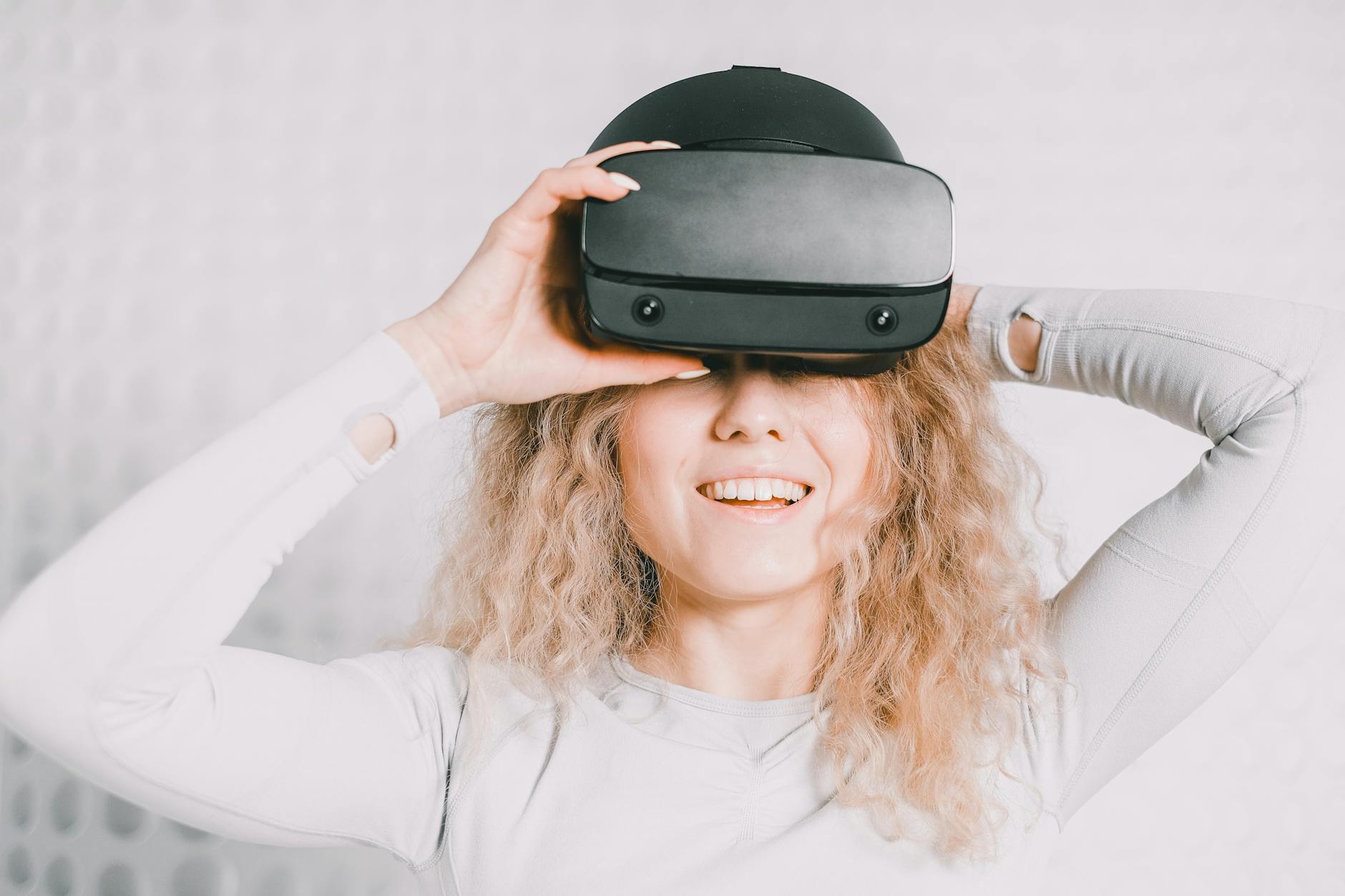
The effectiveness of haptic feedback in fitness isn’t just about immersion-it’s backed by exercise science. Proprioceptive feedback, the body’s awareness of its position and movement in space, plays a crucial role in effective workouts. When users can feel authentic resistance and texture feedback through their hands and controllers, their bodies respond with more natural movement patterns and better muscle engagement.
Research from the University of Southern California’s Institute for Creative Technologies shows that haptic feedback during virtual workouts increases muscle activation by up to 15% compared to purely visual VR experiences. The DualSense’s precise haptic motors can simulate everything from the gradual resistance increase of a rowing machine to the sudden impact feedback of boxing training.
The adaptive trigger technology proves particularly valuable for strength training simulations. Unlike simple vibration motors, the DualSense triggers can create authentic resistance curves that match real exercises. When performing a virtual deadlift, the triggers can simulate the initial break from the floor, the smooth middle portion of the lift, and the lockout at the top-all critical phases that help users maintain proper form even in virtual space.
Integration Challenges and Solutions
Adapting gaming technology for fitness presents unique challenges. The DualSense controller’s battery life, designed for 3-4 hour gaming sessions, had to be modified for longer workout periods. Fitness equipment manufacturers are developing wireless charging stations and extended battery packs specifically for exercise applications.
Heat management also required innovation. During intense workouts, both users and equipment generate significant heat, which could affect the sensitive haptic motors in DualSense technology. Companies like Supernatural VR have developed cooling systems and breathable controller designs that maintain optimal operating temperatures during high-intensity interval training sessions.
Durability represents another consideration. Gaming controllers face occasional drops and button mashing, but fitness equipment endures constant movement, sweat, and impact. Sony has worked with fitness partners to develop ruggedized versions of their haptic technology, featuring improved moisture resistance and reinforced internal components that can withstand the demands of daily workout routines.
Market Impact and Industry Response
The integration of DualSense technology into VR fitness equipment is already showing measurable market impact. Peloton, the fitness equipment giant, recently announced they’re exploring partnerships with gaming companies to enhance their VR cycling experiences. While they haven’t confirmed specific deals, industry insiders report they’re testing Sony’s haptic feedback technology for their upcoming virtual reality cycling classes.
This crossover success has encouraged Sony to expand beyond traditional gaming markets. The company’s haptic technology division has grown by 40% over the past year, with new hires focused specifically on non-gaming applications. This mirrors the broader trend of gaming technology finding applications in healthcare, education, and fitness-similar to how Sony’s DualSense haptics are being adopted by medical devices for rehabilitation and therapy.
The success has also influenced Sony’s approach to controller design for future PlayStation consoles. Knowing that their technology will serve dual purposes in both gaming and fitness applications, Sony is reportedly developing even more sophisticated haptic feedback systems for their next-generation controllers, with longer battery life and enhanced durability as key priorities.
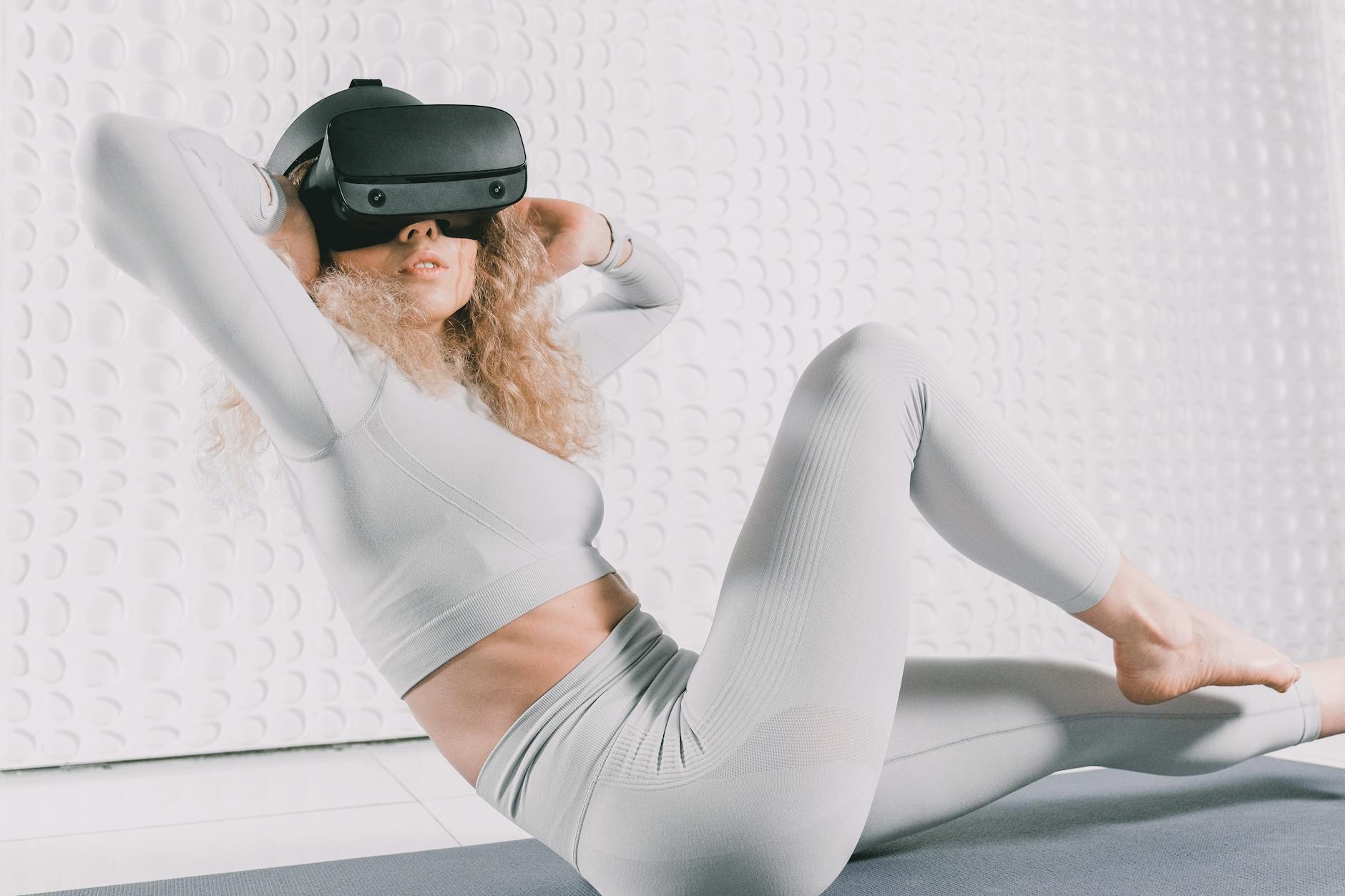
The convergence of gaming technology and fitness equipment represents more than just a trend-it’s a fundamental shift in how we approach both entertainment and exercise. As VR fitness continues to grow, with the market projected to reach $12.9 billion by 2026, the integration of sophisticated haptic feedback technology like Sony’s DualSense system will become increasingly important for creating engaging, effective workout experiences.
This technological crossover also signals broader changes in how console manufacturers view their hardware innovations. Sony’s success in licensing DualSense technology for fitness applications may inspire similar moves from other gaming companies, potentially leading to a future where gaming controllers serve as the foundation for various consumer technologies beyond entertainment. The line between gaming and fitness continues to blur, creating new opportunities for both industries to innovate and expand their reach.
Frequently Asked Questions
How does DualSense technology improve VR workouts?
It provides tactile feedback and resistance simulation that helps users maintain proper form and increases muscle engagement during virtual exercises.
Which fitness companies are using DualSense technology?
FitXR and Black Box VR have partnered with Sony, while Peloton is reportedly testing the technology for future VR cycling experiences.