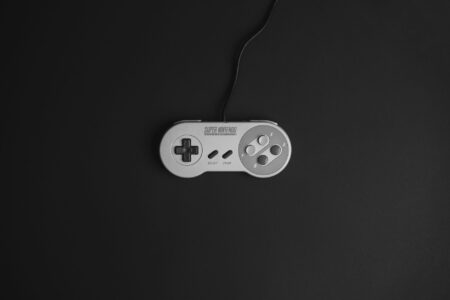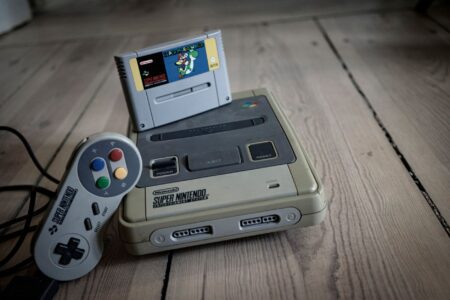


Nintendo’s Switch 2 launched with a lot going for it – faster hardware, a sharper screen, and a lineup of new titles designed to show off what the system can do. What it did not launch with is any clear path to the decades of classic games that made Nintendo’s name in the first place.
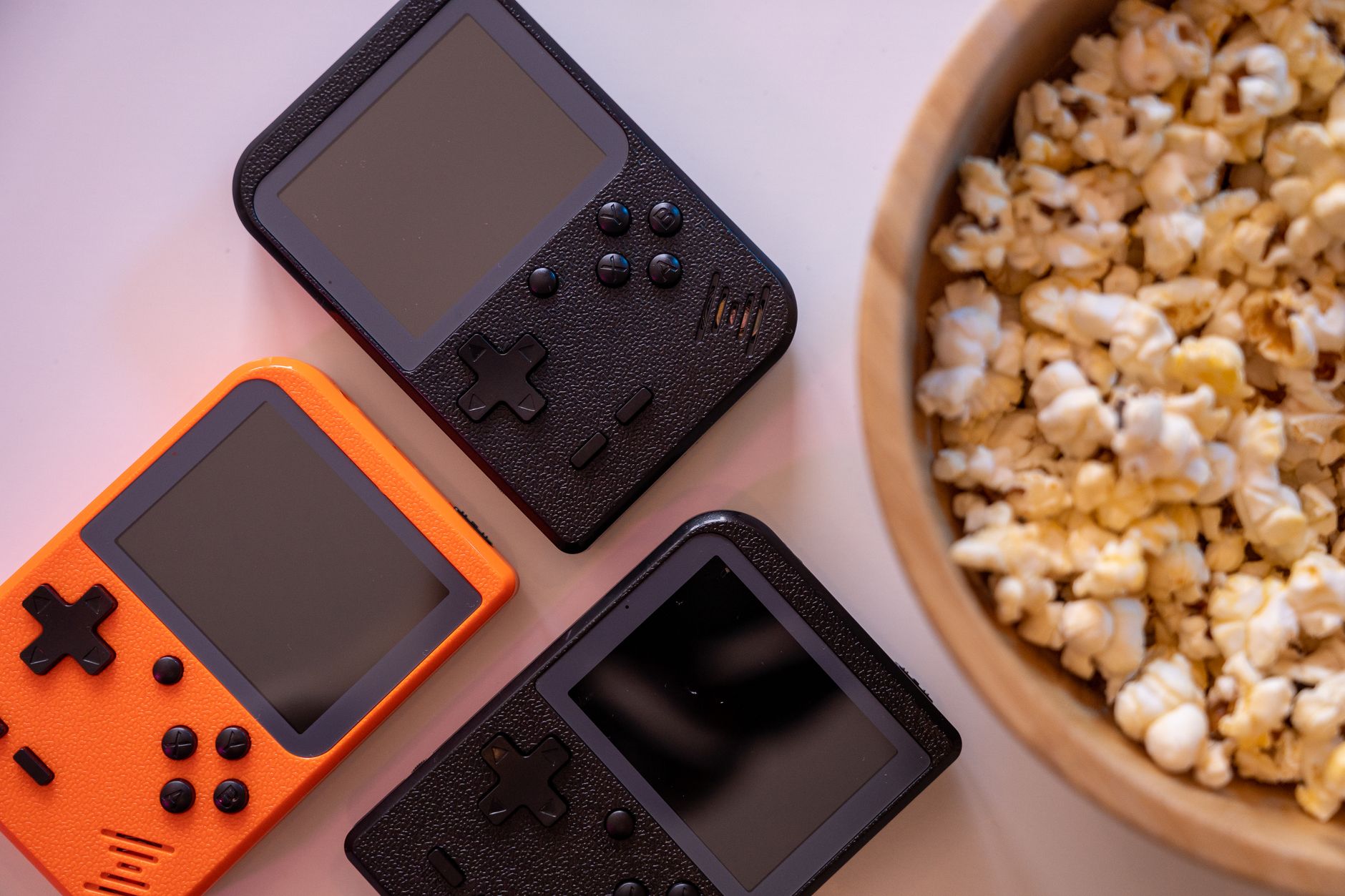
A Library Built on Nostalgia, Now Locked Away
The original Switch eventually found a workable solution through Nintendo Switch Online, which offered rotating libraries of NES, SNES, Game Boy, Game Boy Advance, Nintendo 64, and Sega Genesis titles as part of a subscription. It was imperfect – the selection was curated rather than comprehensive, and many fan-favorite titles were conspicuously absent – but it was something. Retro collectors and longtime fans at least had a sanctioned way to play older Nintendo games on modern hardware without hunting down aging cartridges or relying on workarounds.
Switch 2 does not yet have a comparable system in place at launch. Nintendo has confirmed that Nintendo Switch Online functionality will carry over, but the Switch 2-specific experience for retro gaming remains vague at best. There is no Virtual Console in the traditional sense – the storefront model that let players purchase individual classic titles permanently – and Nintendo has not announced any new retro initiative tied to the new hardware. For collectors who remember buying Super Mario World or Ocarina of Time outright and owning them digitally, that absence is jarring.
The Virtual Console, in its heyday on Wii and Wii U, was a remarkable service. Players could buy classic titles individually, build a personal digital library, and trust that what they purchased was theirs. It spanned NES, SNES, N64, Game Boy Advance, Sega Genesis, TurboGrafx-16, Neo Geo, and even arcade titles. It was messy in execution and frustratingly slow in its releases, but it gave retro gaming a sense of permanence. When Nintendo moved away from that model with the Switch and leaned into subscription access, many collectors tolerated it. With the Switch 2, the question of whether that library-building era is truly gone forever feels more urgent.
Retro collectors operate with a specific mindset that subscription services do not fully accommodate. Ownership matters. The ability to boot up a game you purchased ten years ago – without paying a monthly fee, without worrying whether the title will be rotated out, without needing an internet connection to verify access – is central to the collector experience. Nintendo’s current model asks players to rent access to a curated selection, and that is a fundamentally different proposition than building a library. For a segment of Nintendo’s audience, it is a dealbreaker.
Why the Subscription Model Falls Short for Serious Collectors
The argument Nintendo would make, presumably, is that Nintendo Switch Online with its Expansion Pack tier does offer a wide range of retro content at a reasonable annual cost. And on pure math, that is not wrong – paying one yearly fee to access hundreds of older titles is cheaper than buying each game individually at Virtual Console pricing. For casual players who want to dip into nostalgia occasionally, the subscription absolutely makes sense. But the collector community is not primarily motivated by cost efficiency.
Collectors build toward something permanent. A physical shelf of cartridges, or even a curated digital library purchased outright, represents a relationship with gaming history that feels tangible. Subscription access offers convenience, not ownership, and when a subscription lapses – or when Nintendo eventually shutters the service – everything goes with it. Nintendo has already demonstrated, through the closure of the Wii Shop Channel and the Wii U eShop, that digital storefronts do not last forever. Collectors who bought Virtual Console titles on those platforms now own licenses that are essentially stranded on aging hardware, with no official path to transfer them to newer systems.
That precedent is precisely what makes the Switch 2’s silence on retro gaming so frustrating. Nintendo did not honor its Virtual Console purchases across generations when it moved from Wii U to Switch, choosing instead to rebrand the entire retro offering as a subscription service. There was never an official migration path, never a discount program for existing purchasers, never an acknowledgment that players had invested real money in a digital library with the expectation of some longevity. The Switch 2 launch represents another generational crossing, and the same concerns apply with even more weight given that the NSO library has now grown considerably larger.
Beyond the ownership question, there is the matter of selection. Nintendo Switch Online’s retro catalog, while broad, remains heavily gatekept by licensing complexities and Nintendo’s own pacing decisions. Dozens of titles that appeared on the original Virtual Console have never made it to the NSO library. Games from third-party publishers, titles with complicated music rights, or simply games Nintendo has not gotten around to adding all represent gaps that a purchase-based Virtual Console model handled more organically – if a publisher wanted to sell their game, they could list it. The subscription model centralizes that editorial control entirely with Nintendo, which has historically moved slowly and without much transparency about what comes next.
The collectors who feel this most acutely are not fringe enthusiasts. The retro gaming market has grown steadily over the past decade, with physical cartridge prices for sought-after titles reaching figures that would have seemed absurd ten years ago. F-Zero’s absence from Nintendo’s modern lineup is a useful parallel – when Nintendo ignores vocal, established communities for long enough, those communities do not disappear. They grow more vocal, and they eventually route around the problem entirely. Retro collectors buying original hardware and cartridges at inflated secondhand prices are already routing around Nintendo’s official ecosystem.
What Nintendo Risks by Staying Silent
Nintendo does not owe its audience a Virtual Console. There is no contractual obligation attached to nostalgia, and the company has every right to structure its digital offerings however it chooses. But there is a practical cost to leaving this community without a clear answer on Switch 2. Every collector who concludes that official channels are not worth engaging with is a collector who spends their money in the secondhand market instead – on original hardware, on repro cartridges, on third-party devices. That money does not go to Nintendo.
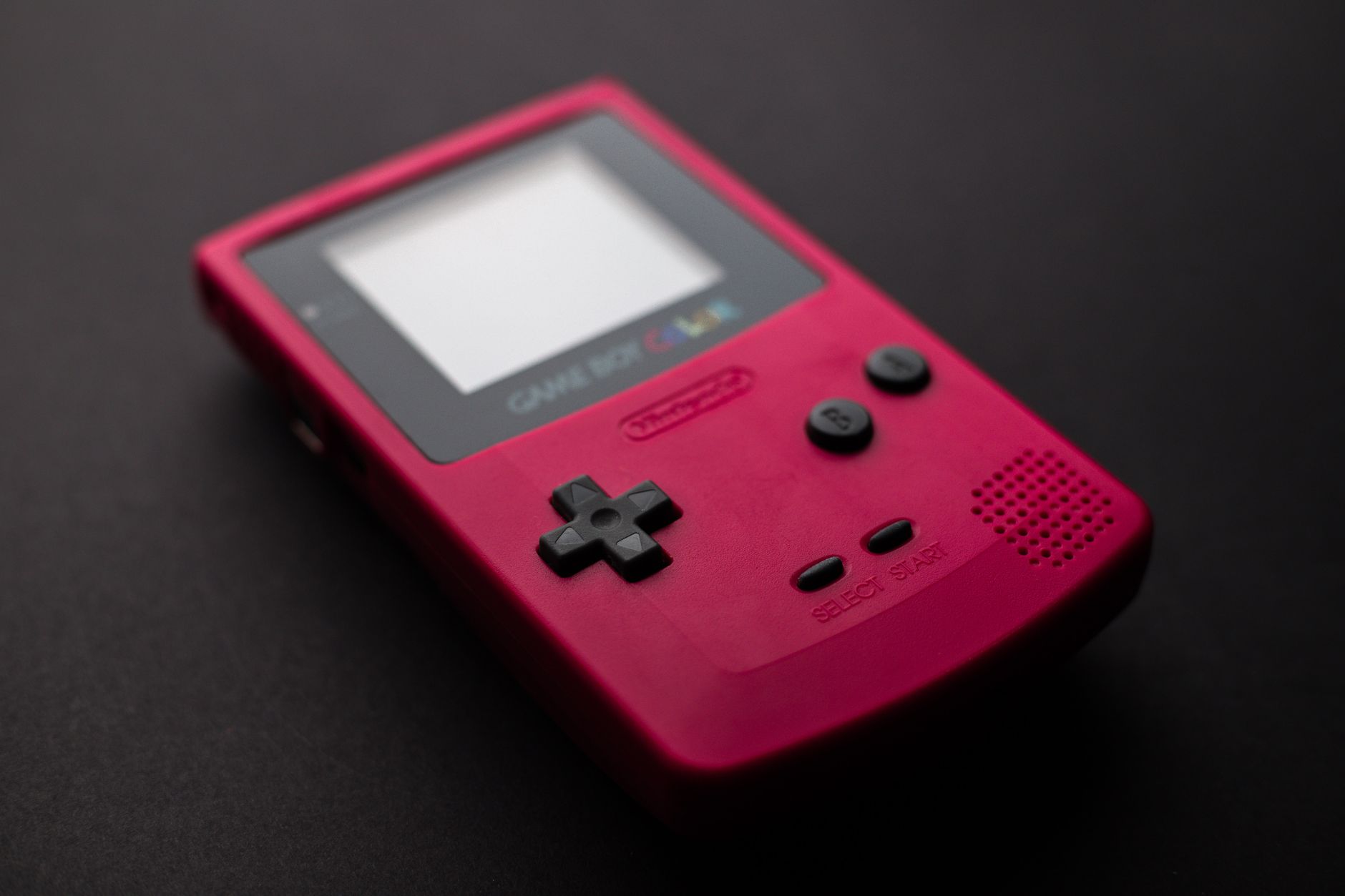
The collectors who feel most alienated right now are also among Nintendo’s most committed long-term customers. These are people who have bought the same Mario and Zelda titles multiple times across multiple platforms, not because they had to, but because they wanted to support the games they loved through official channels. If Nintendo’s answer to their loyalty is a subscription that can be cancelled at any time and a launch with no retro roadmap at all, the company should not be surprised when that goodwill starts to thin. The Switch 2 still has time to address this – but every month without a clear announcement is a month that collectors spend rebuilding their libraries without Nintendo’s help.
Frequently Asked Questions
Does Switch 2 have a Virtual Console?
No. Switch 2 does not have a Virtual Console at launch, and Nintendo has not announced any purchase-based retro game storefront for the new system.
Can you play retro games on Switch 2?
Nintendo Switch Online carries over to Switch 2, offering subscription-based access to NES, SNES, N64, and other classic libraries, but there is no option to buy individual retro titles outright.