




The Honeymoon Is Over
Helldivers 2 had one of the most electric launches in recent PlayStation history. Arrowhead Game Studios’ co-op shooter flooded servers, broke concurrent player records on Steam, and turned “spreading managed democracy” into a genuine cultural moment. Players weren’t just logging in – they were invested in a living, breathing galactic war that felt like it actually responded to their collective actions. That novelty carried the game through its early months on pure momentum alone.
That momentum has cooled. Not collapsed, but cooled in the way that a live service game inevitably does when the initial surge settles and what’s left behind has to stand on its own. The question Arrowhead is now wrestling with is whether what remains is enough to keep its community from quietly drifting toward other games – and whether the studio can replenish player interest faster than it drains.

What Slowed Down
The pacing of content updates has been a consistent frustration within the Helldivers 2 community. After the Escalation of Freedom update last summer drew mixed reactions – players took issue with balance changes that felt punishing rather than engaging – some of the goodwill the game had accumulated started fraying. Arrowhead acknowledged the missteps and pledged a course correction, but rebuilding trust with an active playerbase is slower work than losing it. A single patch can feel like a betrayal; recovery takes a sustained pattern of decisions that go right.
The Warbond system, Helldivers 2’s approach to seasonal content, has also come under scrutiny. Warbonds release on a rolling schedule and offer cosmetics, stratagems, and weapons behind a currency grind. Early Warbonds felt generous enough that players accepted the structure. More recently, the community has debated whether the value proposition holds up – whether the content offered justifies continued engagement during stretches when the galactic war’s narrative doesn’t feel like it’s moving anywhere meaningful. That perception gap, between what players expect and what arrives, is where seasonal fatigue takes root.
The Live Service Loyalty Problem
Every live service game eventually faces this specific test. The launch window draws players who are curious or excited by novelty. The second phase draws players who genuinely love the game. The third phase – where Helldivers 2 appears to be right now – depends entirely on whether the studio can manufacture enough reason to keep logging in when the initial love has become routine. That’s a design and content problem, but it’s also a communication problem.
Arrowhead has been more transparent than most studios about its internal challenges. CEO Johan Pilestedt has been publicly vocal about the team’s direction, occasionally engaging directly with community concerns on social media. That accessibility built goodwill. But transparency without visible follow-through eventually stops functioning as reassurance. Players start reading candid posts as confirmation of problems rather than evidence of solutions.
The galactic war system – the game’s most distinctive feature – has also become a double-edged situation. When it works, the sense that your missions actually matter to a larger campaign is genuinely immersive. When it stalls or when narrative beats feel delayed or underwhelming, the whole structure loses its urgency. A war that never seems to decisively advance or retreat stops feeling like a war and starts feeling like wallpaper. Arrowhead has to keep that system feeling alive, which is an ongoing creative and technical commitment with no natural finish line.
Sony’s broader live service ambitions hang in the background here too. After the collapse of Concord – which you can read about in detail in how Concord’s failure is still reshaping Sony’s live service roadmap – Helldivers 2 carries extra symbolic weight as proof that PlayStation can anchor a long-running multiplayer game. That kind of institutional pressure doesn’t make creative decisions easier.
Where the Loyal Players Stand
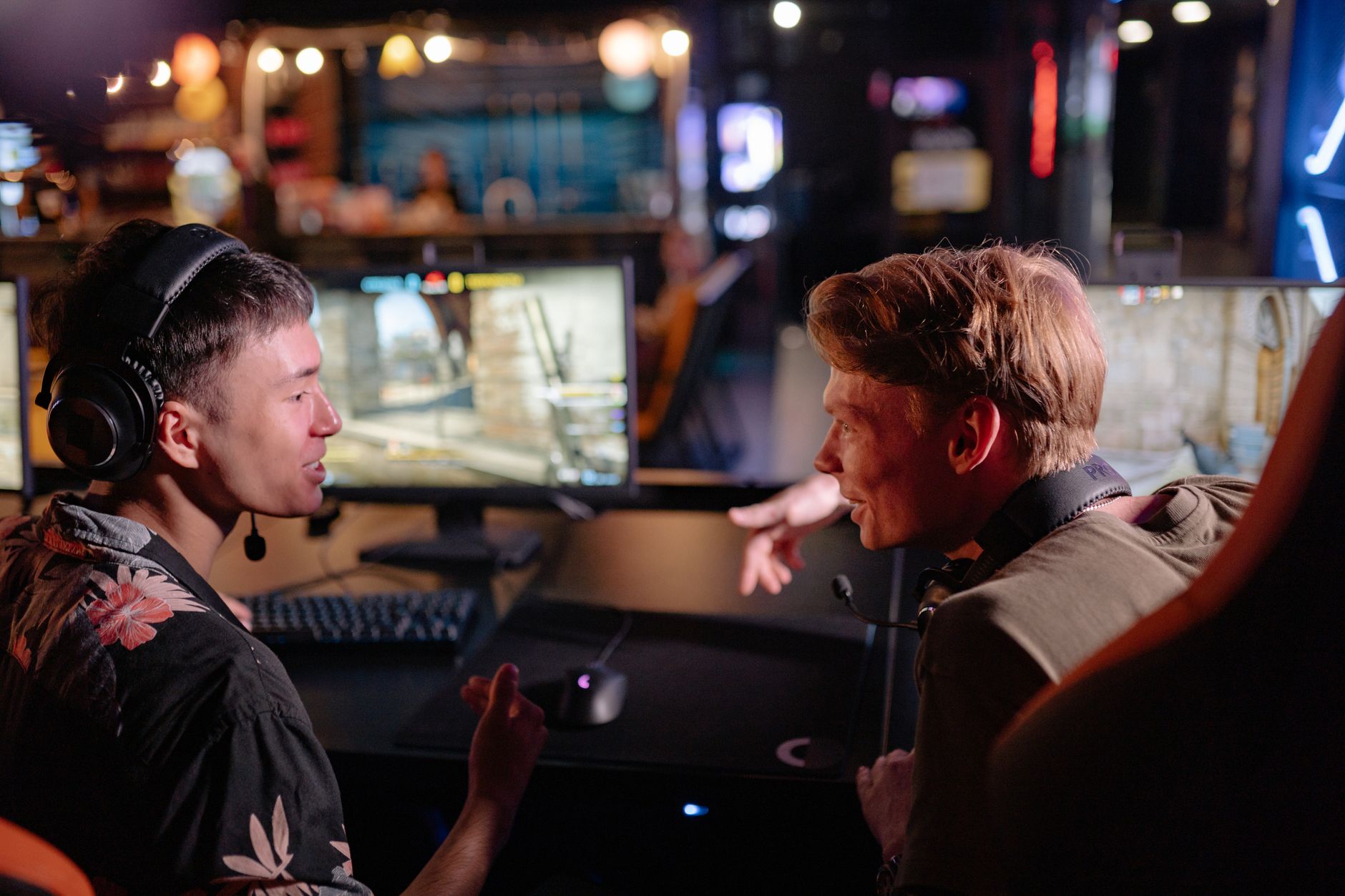
The core community hasn’t abandoned the game. Steam concurrent player counts have dropped from their peaks, but a dedicated base continues showing up, running missions, and engaging with each new Warbond drop. That retention matters. A smaller, committed playerbase is a healthier foundation than a massive casual audience that evaporates at the first sign of a content drought. The question is whether “dedicated but smaller” is a stable equilibrium for a game built around the spectacle of coordinated mass action.
Matchmaking quality, server population, and the feel of the game itself all degrade when active players thin out below certain thresholds. Helldivers 2 is not at that point – not visibly – but players are aware of the trajectory, and awareness of a declining trend can accelerate it. No one wants to invest time in a game that feels like it’s winding down, even if the wind-down is gradual and the game is still technically healthy.
What Arrowhead Needs to Deliver
The studio’s roadmap for the back half of the year needs to clear a specific bar: not just new content, but content that makes the game feel different from how it felt six months ago. Weapons, stratagems, and cosmetics are table stakes at this point. What actually moves the needle is story progression with consequences, mechanical additions that change how squads approach missions, and enemy factions that demand new strategies rather than recycled ones. Arrowhead has shown it can build all of that – the early game demonstrated exactly that range – but execution at a consistent pace is harder than launch energy.
There’s also the question of how Arrowhead handles the gap between major updates. The weeks where nothing new drops are the weeks players find other games. Shorter-cycle events, limited-time operations, or even community challenges that feel narratively meaningful could fill that space without requiring full development cycles. Some live service games have built entire retention strategies around keeping the conversation active even when the actual content pipeline is thin.
Helldivers 2 still has genuine goodwill in the bank. The core shooting, the co-op chaos, the absurdist satire running through every interaction – none of that has gone anywhere. Players who loved the game at launch mostly still love what the game fundamentally is. The loyalty isn’t gone; it’s just waiting to be rewarded. Whether Arrowhead can deliver on that in the next few months will determine whether this slowdown gets remembered as a rough patch or as the point where things started going permanently sideways.

The next major Warbond release and any accompanying balance patch will be read by the community as a signal – not just of what’s coming next, but of whether Arrowhead has genuinely learned from the backlash of the past year. Players have been patient. That patience is not unlimited, and the studio knows it.