


Nintendo’s New Direction for the Plumber Brothers
When Mario & Luigi: Brothership launched on Nintendo Switch in late 2024, it marked the first new entry in the beloved RPG series in seven years. That gap alone should have generated enormous goodwill. Instead, it opened a quiet but persistent conversation about who, exactly, Nintendo is now making these games for.
A Series That Built Its Identity on Depth
The Mario & Luigi series earned its reputation across five mainline entries developed primarily by AlphaDream between 2003 and 2019. Those games – Superstar Saga, Partners in Time, Bowser’s Inside Story, and beyond – were praised for layered battle systems, sharp writing, and a willingness to challenge players who actually wanted to engage with the mechanics. Timing-based attacks and counters required genuine attention. Boss encounters punished passive play. The series rewarded patience.
Brothership, developed by Acquire after AlphaDream’s 2019 bankruptcy, takes a noticeably softer approach. Enemy telegraphing is more generous. The tutorial sections stretch well into the mid-game, introducing mechanics that series veterans have understood since the Game Boy Advance era. Badge progression, once a system that rewarded experimentation and min-maxing, has been restructured into a gentler difficulty slope designed to avoid overwhelming newcomers.
None of this is inherently bad design. Accessibility in games has genuine value, and broadening a series’ audience is a defensible creative choice. The tension comes from the fact that this softening wasn’t accompanied by any increase in narrative or mechanical complexity elsewhere to compensate. What long-term fans got wasn’t a more complex game made easier to start – it was a less complex game made easier throughout.
The battle system, traditionally the heart of any Mario & Luigi release, is functional but comparatively thin. Action commands remain, but the decision-making around them feels lighter than what Bowser’s Inside Story or even Dream Team demanded at their peaks. Players who came into Brothership expecting the series to pick up where it left off found something that felt calibrated for an audience discovering turn-based RPGs for the first time.
The Newcomer Pipeline and Who Gets Left Behind
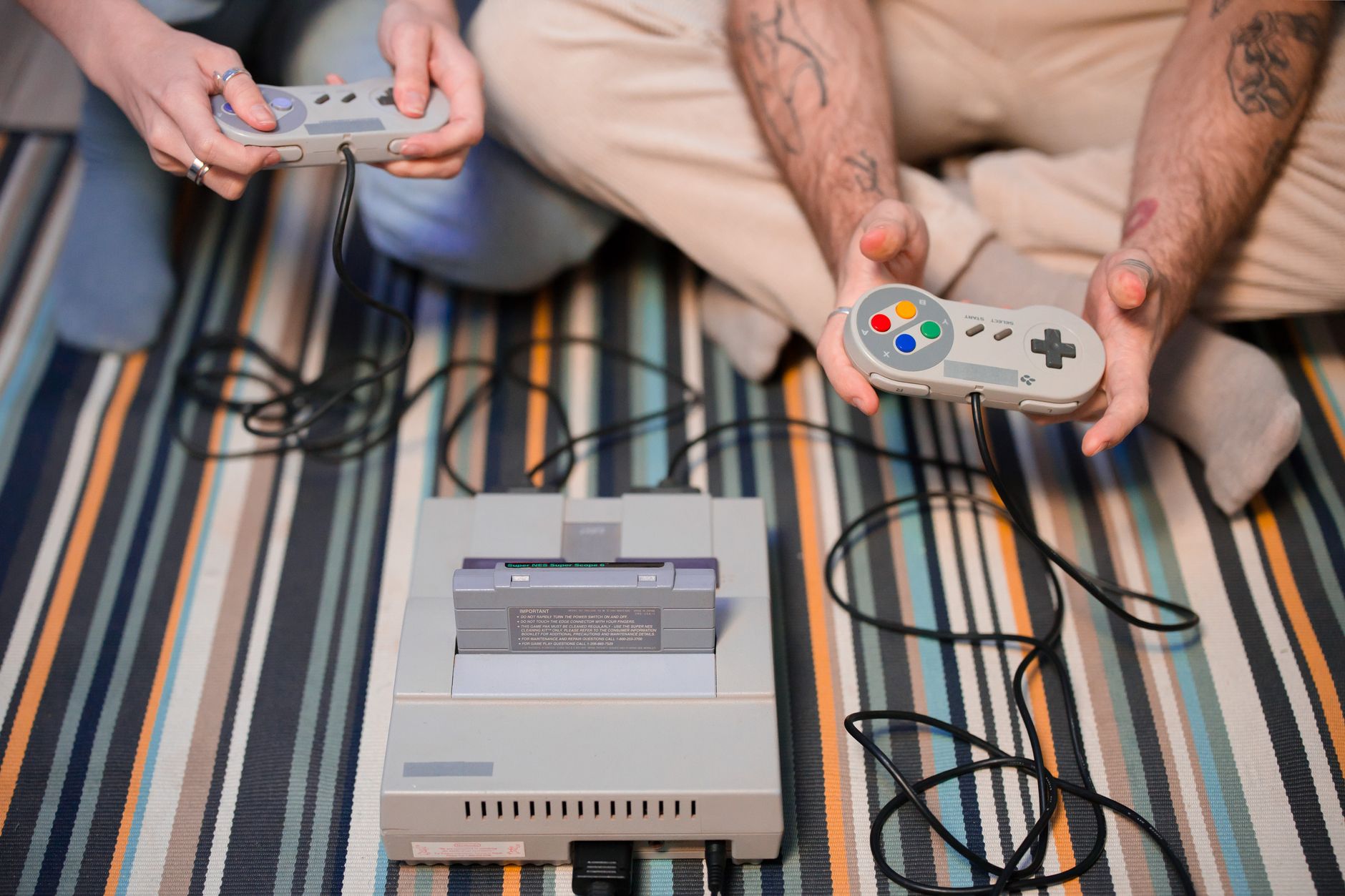
Nintendo’s broader strategy on Switch and now Switch 2 has consistently prioritized drawing in players who skipped entire console generations or who are new to certain genres entirely. That approach works commercially. It’s why entries across multiple Nintendo franchises now open with extended onboarding sequences that veteran players have to sit through without a skip option. Brothership fits cleanly into that model.
The problem is that Mario & Luigi, unlike Mario Kart or even New Super Mario Bros., never had a massive casual audience to recapture. Its fans were primarily JRPG-adjacent players who appreciated that it offered something more demanding than a typical Nintendo title. Stripping that identity to court newcomers means the series is now competing in a space – accessible, narrative-light RPGs for younger audiences – where it wasn’t previously positioned and where it faces significant competition from Nintendo’s own catalog.
Veteran fans aren’t just frustrated by the difficulty curve. The writing, once famous for absurdist humor with genuine wit, feels diluted in Brothership. Characters who previously had sharp comedic timing now deliver jokes that land softly and move on. The broader world design, built around island-hopping on a giant ship, keeps encounters isolated in ways that prevent the storytelling from building the momentum that made Bowser’s Inside Story feel like a genuine adventure rather than a series of connected vignettes.
This also connects to a wider anxiety in Nintendo’s RPG ecosystem. The quiet delisting threat hanging over Xenoblade Chronicles 3 has already put JRPG fans on edge about Nintendo’s long-term commitment to deeper role-playing experiences. When that context meets a Mario & Luigi revival that pulls back from complexity rather than toward it, the reading among longtime fans is that Nintendo sees RPG depth as a liability rather than a selling point.
What makes this particularly frustrating is the timing. Brothership arrived at a moment when the series had both the goodwill and the platform to make a serious statement. Seven years of absence should have built pressure toward something ambitious. Instead, the return feels like a test of whether the name still moves units rather than a genuine attempt to deliver on what the name once meant.
What the Franchise Owes Its Core Audience
There’s a version of this story where Brothership succeeds commercially, Nintendo declares the series healthy, and the next entry is designed with even less input from what the original games were. That outcome is entirely plausible. Commercial success and fan satisfaction are not the same metric, and Nintendo has historically prioritized the former when they diverge.
The real question isn’t whether Brothership will sell – it likely will, given the name recognition and the Switch’s install base. It’s whether anyone at Nintendo or Acquire is paying attention to why the most vocal part of the fanbase is treating a seven-year revival like a disappointment rather than a celebration. The series has a blueprint for doing both things well. Superstar Saga was accessible enough to attract newcomers and still had enough mechanical teeth to keep dedicated RPG players engaged for hours past the credits. Choosing between those audiences wasn’t necessary then. The decision to make that choice now is what’s hard to forgive.
Frequently Asked Questions
Is Mario & Luigi Brothership too easy for longtime fans?
Many veteran players find Brothership’s battle system and pacing noticeably simpler than earlier entries like Bowser’s Inside Story, with tutorials that extend well into the mid-game.
Who developed Mario & Luigi Brothership?
Brothership was developed by Acquire following the bankruptcy of original series developer AlphaDream in 2019.