

The Hidden Cost of Owning Nintendo’s New Hardware
Nintendo’s Switch 2 arrived with plenty of fanfare, but one detail has settled into the background like a slow leak: the cost of its game cartridges. Unlike the original Switch, where physical and digital versions of most titles were priced identically or within a dollar or two of each other, Switch 2 cartridges are carrying a quiet premium that goes beyond the standard $10-$20 first-party price increase Nintendo already announced. The hardware itself uses a new cartridge format, and the manufacturing costs for higher-capacity game cards are being passed along to buyers – often without any clear explanation on the box.
For casual players, this barely registers. Buy the game once, play it, move on. But for physical collectors – a genuinely large segment of Nintendo’s fanbase that has spent years building shelf libraries, hunting limited editions, and preserving boxed copies – the math is starting to add up in ways that feel punishing rather than incidental.
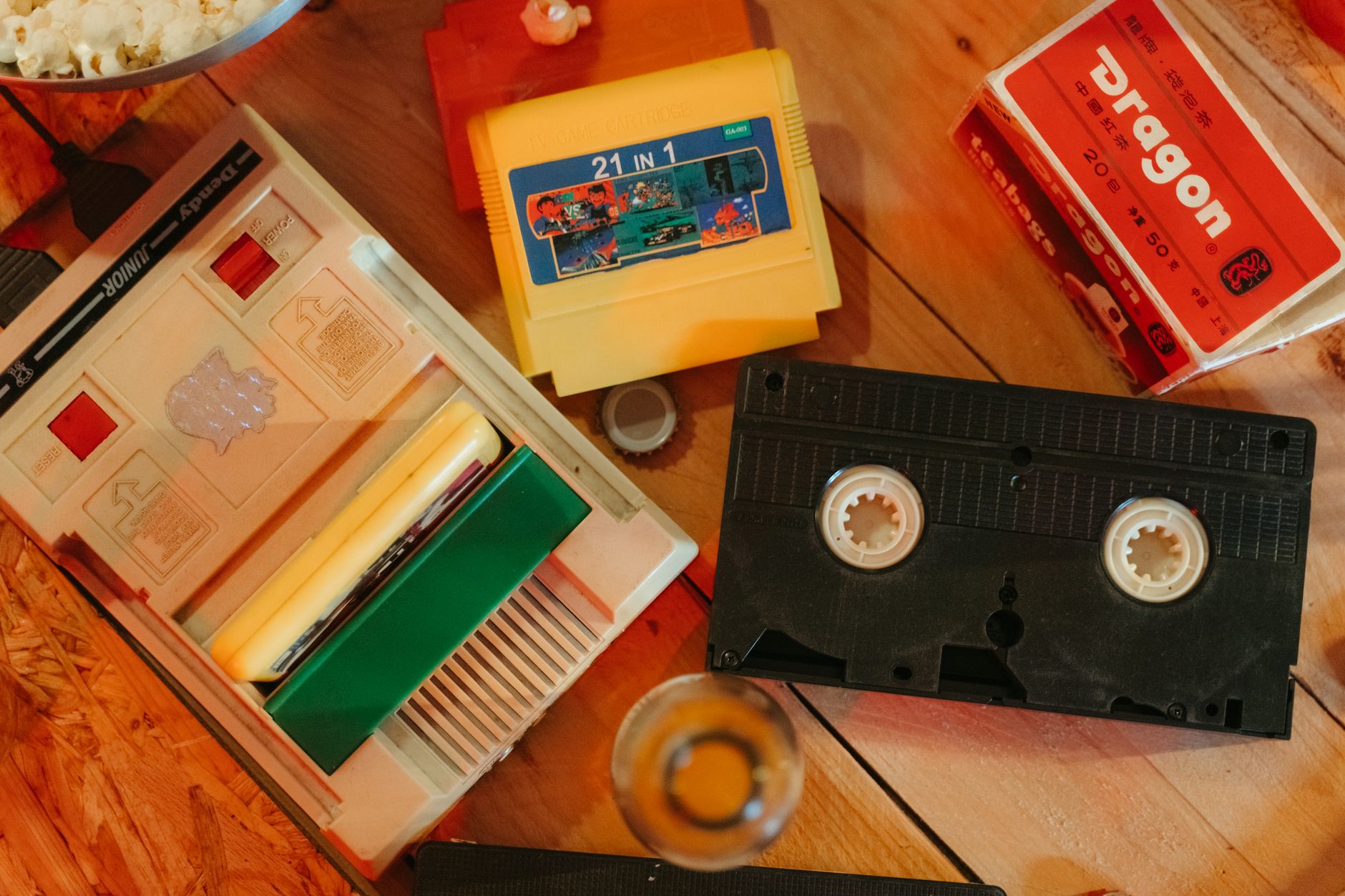
Why the Cartridge Format Change Matters
Switch 2 games run on a new cartridge standard built to handle larger file sizes, faster read speeds, and the demands of more technically complex titles. That’s a legitimate engineering upgrade, and the increased cost to produce those cartridges is real. The problem isn’t that the format changed – it’s that the cost difference between digital and physical is now wide enough to actively steer budget-conscious players away from buying a box. On several major third-party Switch 2 titles, digital versions are launching at a noticeably lower price point than their physical counterparts, a gap that didn’t consistently exist on the original Switch.
This creates a structural disadvantage for physical ownership that has nothing to do with quality or preference. A player who wants the physical copy of a game is now paying a format tax on top of the already-increased base price. That combination – higher MSRP plus physical premium – makes the collector’s habit more expensive without offering anything additional in return. No extras in the box, no reversible covers in most cases, no bonus content. Just a higher price for the same experience in a different container.
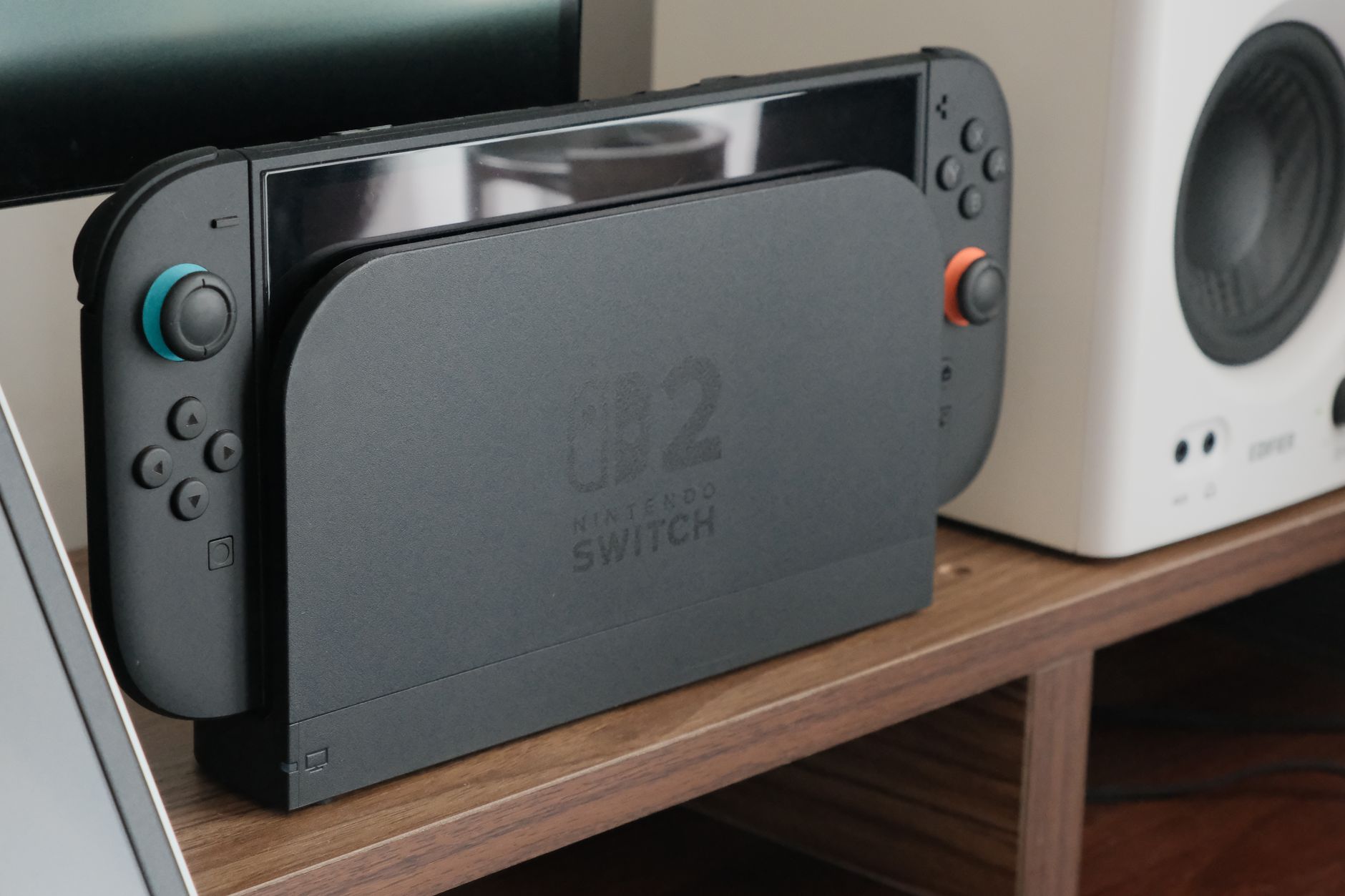
What This Does to the Collector Market
Physical collecting around Nintendo hardware has always had a devoted following. Limited print runs, regional exclusives, and the simple durability of owning a cartridge that won’t disappear if a digital storefront shuts down – these are real reasons people choose physical media. The Switch era specifically produced a robust collector market, with certain titles appreciating significantly in value and publishers like Limited Run Games building entire business models around boutique physical releases.
Switch 2 doesn’t kill that ecosystem overnight, but the pricing structure creates friction at every entry point. When a new release costs $10-$15 more in physical form than digital, collectors face a choice that didn’t used to be so sharp: pay the premium out of principle, or start migrating a collection to digital-only. For someone buying five to ten games a year, that’s potentially $75-$150 in added costs annually just to maintain a physical library.
The boutique publishers who specialize in physical-only releases are watching this closely. Their business model depends on collectors being willing to pay for the object itself, and that willingness has limits. When Nintendo’s own first-party titles come with a built-in physical surcharge, it recalibrates what buyers consider an acceptable price for a boxed game – and that recalibration tends to shrink the market rather than grow it.
There’s also a secondary market effect worth watching. If new physical copies carry a launch premium, resale prices at places like eBay or local game shops need to reflect that elevated baseline to make any economic sense for sellers. That pushes used physical Switch 2 games into a higher price band than used Switch 1 games at equivalent points in their lifecycle. The whole chain shifts upward, and buyers at every level feel it.
Nintendo’s Quiet Culpability
Nintendo hasn’t publicly framed any of this as a deliberate push toward digital sales. The official line treats the pricing as a straightforward reflection of manufacturing realities. But Nintendo also benefits enormously from digital sales – no production costs, no retailer cut, no used game market to compete with. The company has a direct financial incentive to make digital the default, and a physical pricing premium is one of the cleanest ways to nudge buyers in that direction without announcing it as policy.
That’s not a conspiracy theory – it’s basic business logic. The format upgrade is real, the cost increase is real, but the decision about how much of that cost to absorb versus pass to consumers is a choice. Nintendo chose to pass it along, fully, to physical buyers. Digital buyers aren’t subsidizing the cartridge format, and physical buyers aren’t getting anything for the privilege of doing so.
Where This Leaves Collectors Going Forward
The question for collectors isn’t whether to keep buying physical – most will, at least for titles they care deeply about. The question is whether Switch 2 marks the point where maintaining a complete physical library becomes genuinely impractical as a default habit rather than a deliberate luxury. Collectors who bought every Switch release physically without much deliberation are now having to think more carefully about which releases justify the premium and which don’t.
Some titles will still get special treatment – collector’s editions, steelbooks, limited physical runs with extras that justify a higher price. Those aren’t affected in the same way because the value proposition is different. The damage is happening in the middle tier: standard boxed releases of good-but-not-spectacular games where the only reason to buy physical is preference, and that preference now costs $10-$15 extra per transaction.
For physical-first collectors who’ve built their identity around the Nintendo shelf aesthetic – the rows of white and red cases, the satisfying click of a cartridge slotting into place – this pricing structure asks a blunt question: how much is the object itself actually worth to you? For some, the answer is still “whatever it costs.” But the number of people who can honestly say that without wincing is smaller than it was two years ago, and it gets a little smaller every time another Switch 2 title launches with a gap between its digital and physical sticker price.