

Fool Me Twice
Nintendo’s Switch 2 hasn’t even hit its first holiday season, and the accessories market is already treating Joy-Con drift as a near-certainty. Third-party controller manufacturers, thumbstick replacement kits, and Hall effect upgrade products are selling at a pace that suggests buyers aren’t waiting to find out whether history repeats itself – they’re assuming it will.
That assumption is not unfounded. The original Switch Joy-Con drift situation became one of the most widely documented hardware complaints in Nintendo’s modern history, eventually triggering class-action lawsuits and a free repair program in multiple countries. When Nintendo announced the Switch 2, it described updated Joy-Con controllers with a new attachment mechanism, but offered almost no technical detail on what, if anything, changed internally with the analog sticks themselves. That silence has done more to drive accessory sales than any marketing campaign could.
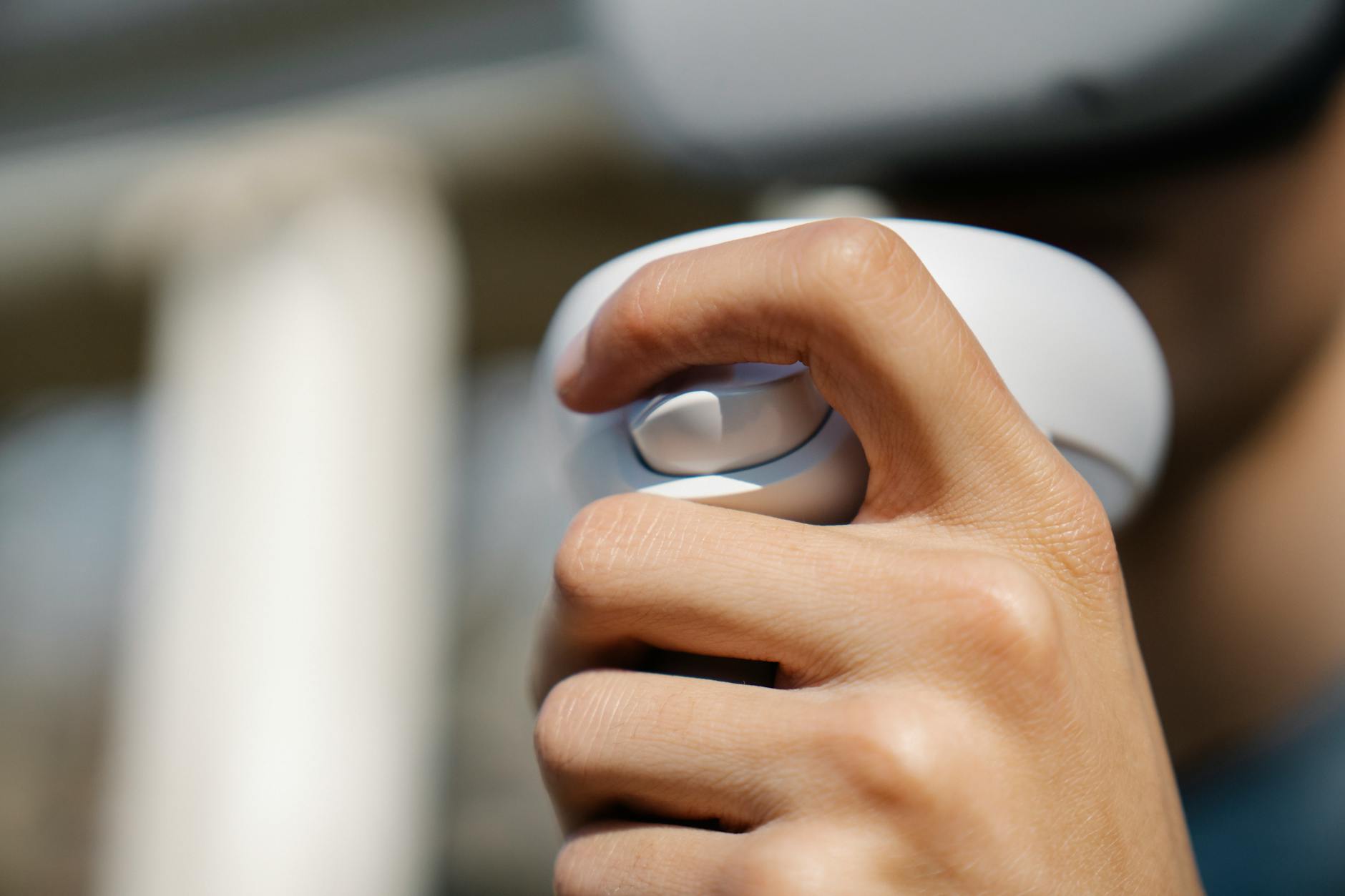
What Nintendo Said – and Didn’t
Nintendo confirmed the Switch 2 Joy-Cons use a magnetic rail system instead of the original sliding clip design. The company positioned this as a connectivity improvement, making attachment and detachment smoother. What Nintendo did not address publicly was whether the analog stick hardware inside the new controllers uses Hall effect sensors – the magnetic-based technology widely considered immune to the wear patterns that cause traditional potentiometer sticks to drift over time.
Without that confirmation, a significant portion of the player base has drawn its own conclusions. Community teardowns and early hardware analyses have become major events in Switch 2 forums and subreddits, with users scrutinizing stick internals the way automotive enthusiasts inspect brake components on a used car. The demand for that information – and the anxiety behind it – is exactly the kind of consumer mood that accessory manufacturers know how to read.
Hall effect controllers for the original Switch, like those from brands such as GuliKit, built an entire loyal customer segment out of drift anxiety alone. Those same brands moved quickly to announce Switch 2-compatible versions before most players had even received their consoles. The product positioning writes itself: you don’t have to trust Nintendo’s stick technology if you replace it on day one.
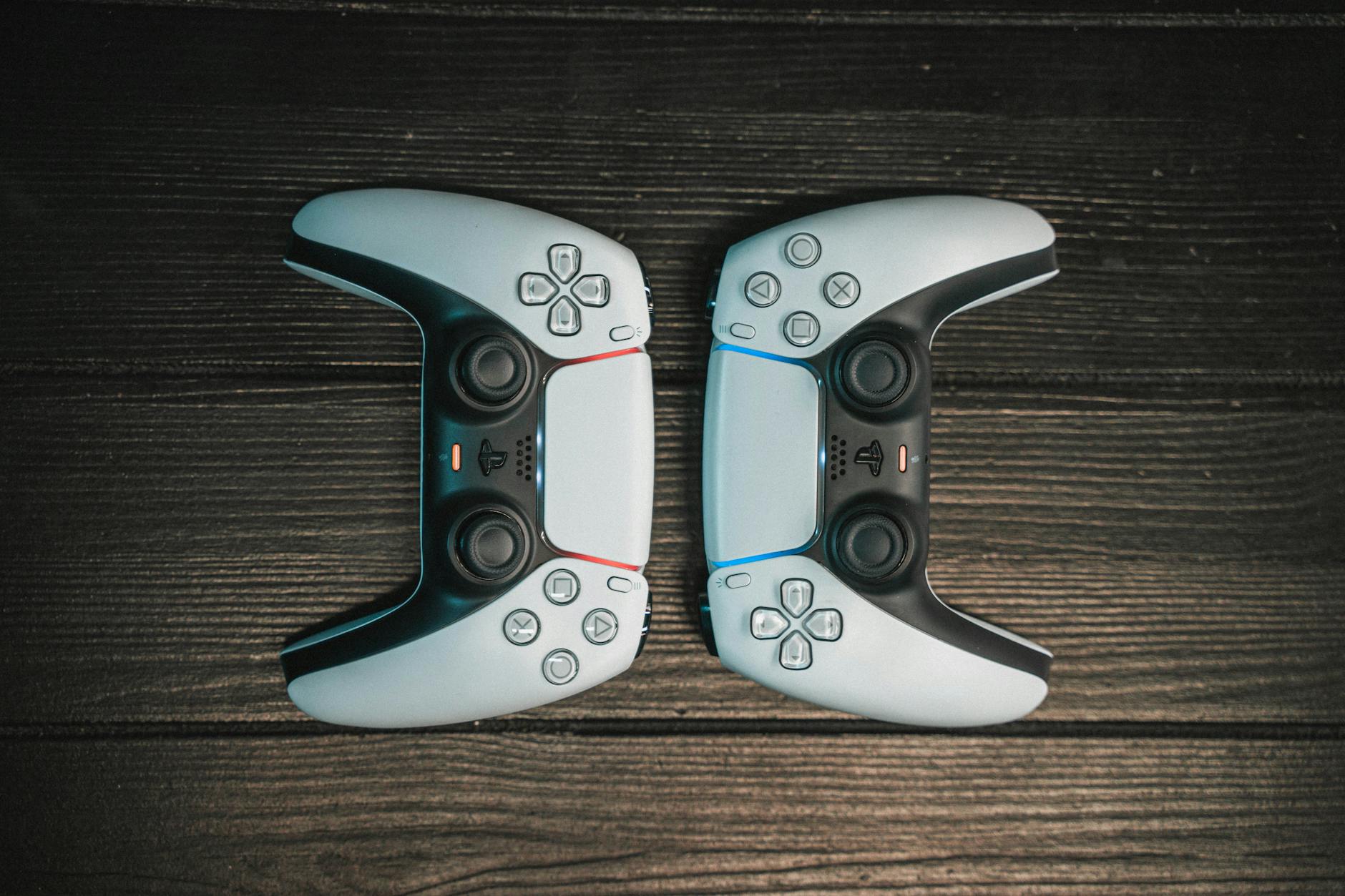
The Accessory Economy Around Fear
Third-party controller sales are not a new phenomenon, but the Switch 2 launch window is showing a pattern where the fear of a known defect is functioning as a purchase driver before any defect has been confirmed. Retailers stocking Hall effect controllers alongside Switch 2 units at launch aren’t doing it because drift has been proven – they’re doing it because the conversation around drift never stopped.
That ongoing conversation kept the original Switch drift discourse alive for years through Reddit threads, YouTube repair guides, and legal coverage. When the Switch 2 was announced, that entire body of cultural memory activated instantly. The result is a pre-emptive accessories market – one where consumers are spending on insurance rather than solutions.
Why the Margin Works for Third Parties
For third-party accessory makers, this situation is close to ideal. The manufacturing cost of a Hall effect controller is higher than a standard potentiometer design, but the price premium consumers are willing to pay for “drift-proof” branding is significant enough to protect margins. Selling to an audience that is already convinced they need the product removes a huge portion of the marketing challenge – you are not creating demand, you are meeting anxiety that already exists.
Thumbstick replacement kits are operating in a similar space. The DIY repair market for the original Switch Joy-Cons grew large enough that several companies built entire product lines around it, offering Hall effect stick modules designed to drop into Joy-Con shells without specialized tools. Switch 2 versions of those kits are already appearing in listings, some before the console launched, with product descriptions that lean heavily on original Switch drift history as the primary sales argument.
Nintendo’s official repair pricing and warranty policies around Joy-Con drift were a constant friction point throughout the original Switch lifecycle. Players who paid for multiple repairs, or who lived in regions without easy access to Nintendo service centers, became particularly motivated third-party customers. That audience remembers exactly what they spent, and they are not waiting for a problem to develop this time around.
There is also a generational hardware factor at play. The Switch 2 is explicitly aimed at an audience that grew up with the original Switch. Many of those players are now older, have disposable income, and have specific, personal memories of controllers that started drifting mid-playthrough. For them, a $50 Hall effect controller at launch is cheaper than what drift cost them the last time – in repair fees, in frustration, or in a replacement Joy-Con set. That math is not abstract. It is lived experience.
Nintendo has not made any public statement addressing the drift concerns specifically tied to Switch 2, and until a full independent teardown with confirmed sensor identification circulates widely, the market will keep filling that silence with product listings. The longer Nintendo waits to clarify what is actually inside those new Joy-Cons, the more money flows to the companies that were ready with an answer the moment the question resurfaced.