


Steam does not sell a single stick of RAM, yet the platform’s enormous audience is the group feeling the rise in memory costs most sharply. For anyone planning a custom build or a mid-cycle upgrade, the cheapest part of the shopping list has turned into a real budgeting problem.
Why Memory Became the Awkward Part of the Build
For most of the past decade, RAM was the component builders stopped worrying about. You picked a capacity, grabbed a kit with a respectable speed rating, and spent your real energy on the graphics card and processor. Memory was the easy add-on, the thing you doubled when a game started to stutter. That habit is now working against people, because the assumption that a 32GB kit is a minor line item no longer holds.
The pressure traces back to where memory manufacturers are directing their attention. Demand from AI data centers has reportedly pulled production capacity toward high-bandwidth memory and server-grade modules, which carry far better margins than consumer kits. Consumer DRAM draws on the same manufacturing base, so when producers tilt toward the lucrative end of the market, the desktop shopper is left competing for what remains. Nobody in a gaming forum can do much about that, but it explains why the price on a familiar kit keeps drifting upward.
The older generation offers less refuge than it might seem. DDR4 looks like the obvious budget escape, but production of it has been winding down as the industry commits to DDR5. A product that is being phased out does not always get cheaper. When supply shrinks faster than demand from people maintaining older systems, prices can stall or climb, and the “just buy last-gen” advice loses its edge.
Steam sits at the center of this because it is where upgrade decisions begin. Players browse a store page, see a recommended memory figure, check it against their own machine, and either buy the game or start pricing parts. The Steam Hardware Survey has long shown the player base clustered around a handful of common configurations, with 16GB the long-standing norm. Moving that population up to 32GB is easy when kits are cheap and painful when they are not.
How Builders Are Rethinking the Upgrade Order
The old rule was simple: spend on the GPU first, and fill in everything else around it. That rule still mostly works, but memory pricing adds a wrinkle. When RAM costs more, the question stops being “how much can I fit in the budget” and becomes “how much do I need right now, and what can I leave room to add later?” That shift favors builders who plan in stages rather than in one big purchase.
Capacity is the hardest call. Thirty-two gigabytes makes sense for a machine that runs modern open-world games alongside a browser, a chat client, and perhaps a capture program, since all of those pile onto the same pool. But 16GB still carries plenty of games without trouble, particularly if the system is mostly for a single title at a time. If a 32GB kit stretches the budget, buying 16GB now is a defensible choice, as long as the motherboard has the slots to grow.
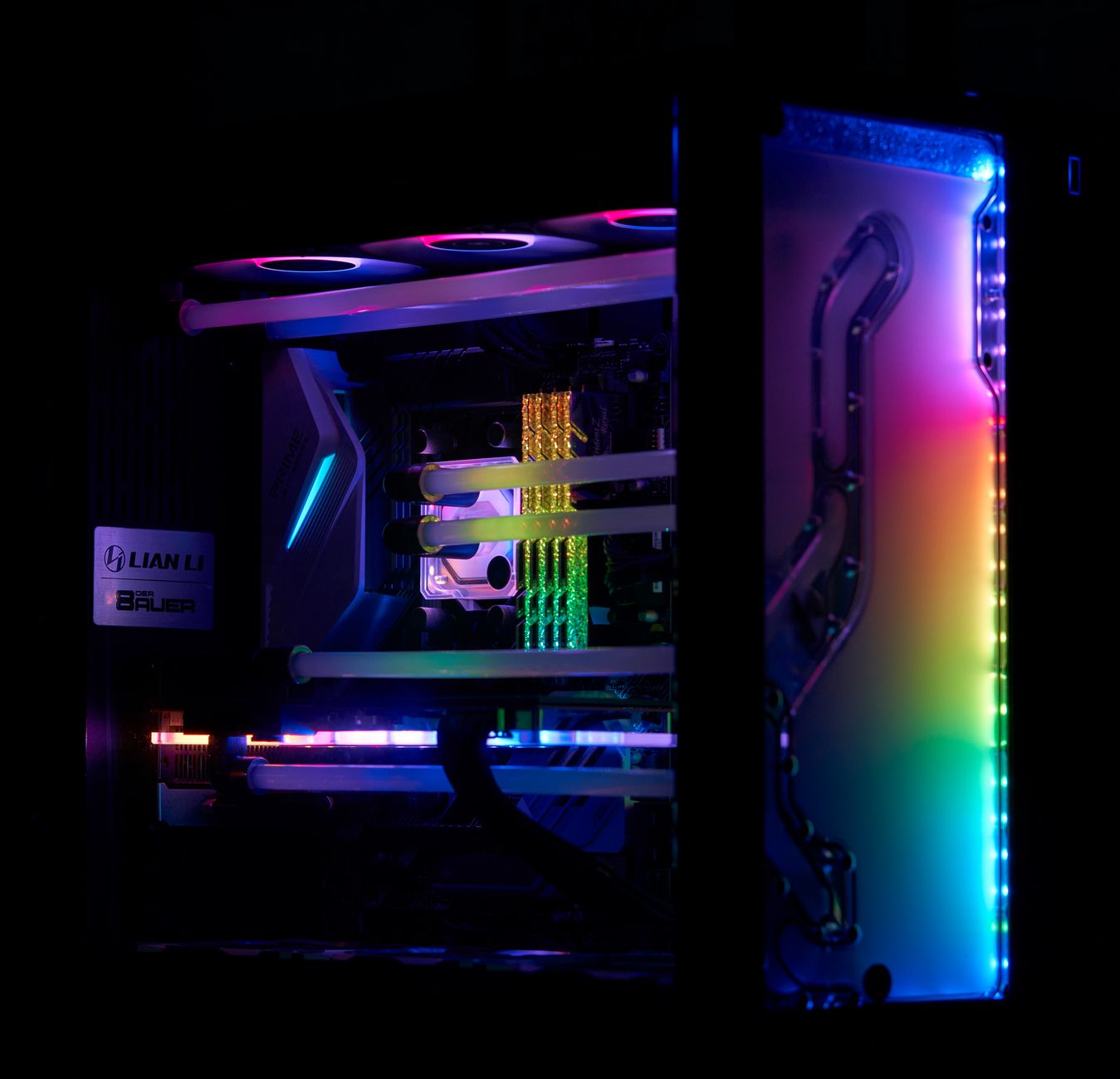
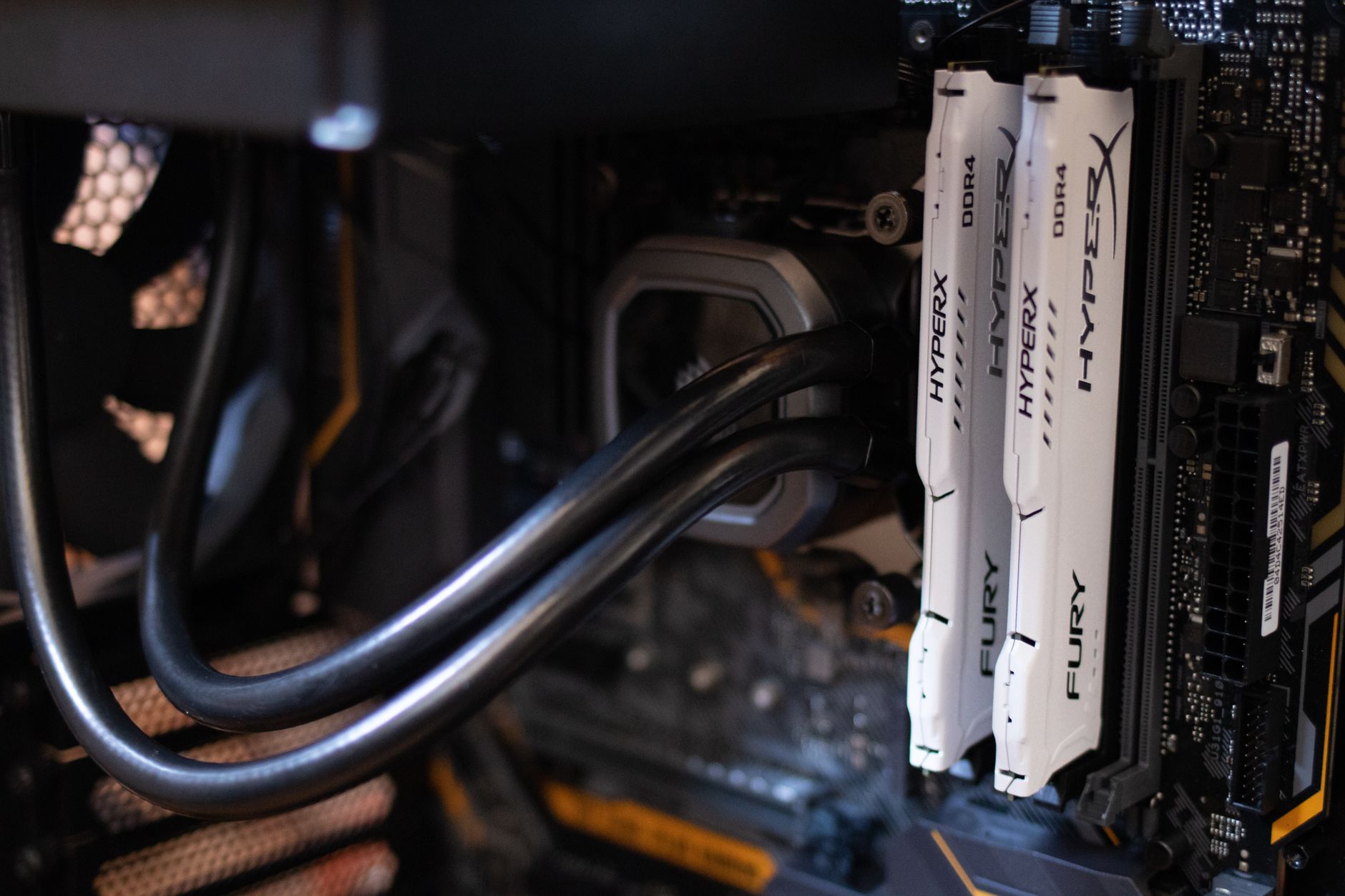
Slot planning is where the staged approach pays off. Two sticks of 16GB is a better starting point than four sticks of 8GB, because it leaves two empty slots for a later expansion without throwing away what you already own. Filling all four slots on a DDR5 platform can also force the memory controller to run slower than the kit’s advertised speed, so a two-stick layout is often faster in practice as well as more flexible. A builder who buys a pair now and adds another pair when prices cool ends up with the same capacity, though matching kits may be harder to find later.
Platform choice carries the biggest hidden cost. A move to AM5 means DDR5, full stop, so a builder jumping platforms is paying inflated memory prices on top of a new motherboard and processor. Someone sitting on an AM4 system with a healthy DDR4 kit might get far more from a drop-in processor upgrade or a new graphics card than from a ground-up rebuild. Intel’s recent boards complicate things further, since some support DDR4 and others only DDR5, and picking the wrong one can lock a buyer into the more expensive standard. Memory pricing has made the “should I rebuild at all” question more honest than it used to be.
Speed ratings deserve skepticism too. The jump from a mid-tier DDR5 kit with sensible timings to a premium kit rarely shows up in actual frame rates, yet the price gap can be sizable. Paying extra for RGB lighting or an exotic rating is the easiest place to trim a build without feeling it in games. Timing the purchase is a gamble in both directions: waiting for a drop can backfire if prices keep rising, while buying early locks in a cost that may look silly in a few months. The safer move is to buy what the build actually needs and stop shopping.
What It Means for Prebuilts and Living-Room Boxes
Fixed-spec machines absorb memory costs differently. A prebuilt maker has to bake the price of RAM into the sticker, and a sealed configuration leaves the buyer no way to shop around for a cheaper kit. Valve’s Steam Machine launch put living-room PC gaming back in play, and any compact box built around set components inherits the same memory market that DIY builders are fighting. The difference is that a shopper can see the cost of a loose kit, while a prebuilt hides it inside the total.
That hidden cost may push some buyers back toward doing the shopping themselves, especially those comfortable installing a pair of sticks. It may also nudge manufacturers to ship leaner memory configurations and leave upgrades to the owner. If 16GB creeps back toward being the standard entry tier, will developers adjust what they ask of players, or will the recommended-spec line on a Steam page quietly outpace what people can afford?
Frequently Asked Questions
Why are RAM prices rising for PC gamers?
Memory makers have reportedly shifted capacity toward high-bandwidth and server memory for AI data centers, which leaves less supply and tighter pricing for consumer kits.
Should I buy 16GB or 32GB of RAM for a gaming PC right now?
Thirty-two gigabytes is the safer long-term choice for modern games and background apps, but 16GB still handles most titles. If budget is tight, buy two sticks and leave slots open for later.
Is DDR4 still a cheaper option than DDR5?
Not reliably. DDR4 production is winding down, so prices can stall or rise even though the standard is older. Staying on an existing DDR4 platform often beats buying new.