




Every console maker eventually has to answer a simple question: what kind of game are we actually in the business of making? For much of the last several years, Sony’s answer seemed to be “both, at once,” with prestige single-player adventures running alongside a wave of live service projects meant to keep players around for years. Ghost of Yōtei, the samurai sequel from Sucker Punch, has pushed that conversation back toward the first half of the equation.
The game launched on PS5 in October 2025 and has been a clear commercial success, with Sony publicly celebrating its performance. That matters less as a trophy than as a signal. A big, self-contained, narrative-driven game from a first-party studio is still one of the most reliable ways to sell a console and keep a PlayStation owner emotionally invested in the brand.
A Sequel That Didn’t Chase a Trend
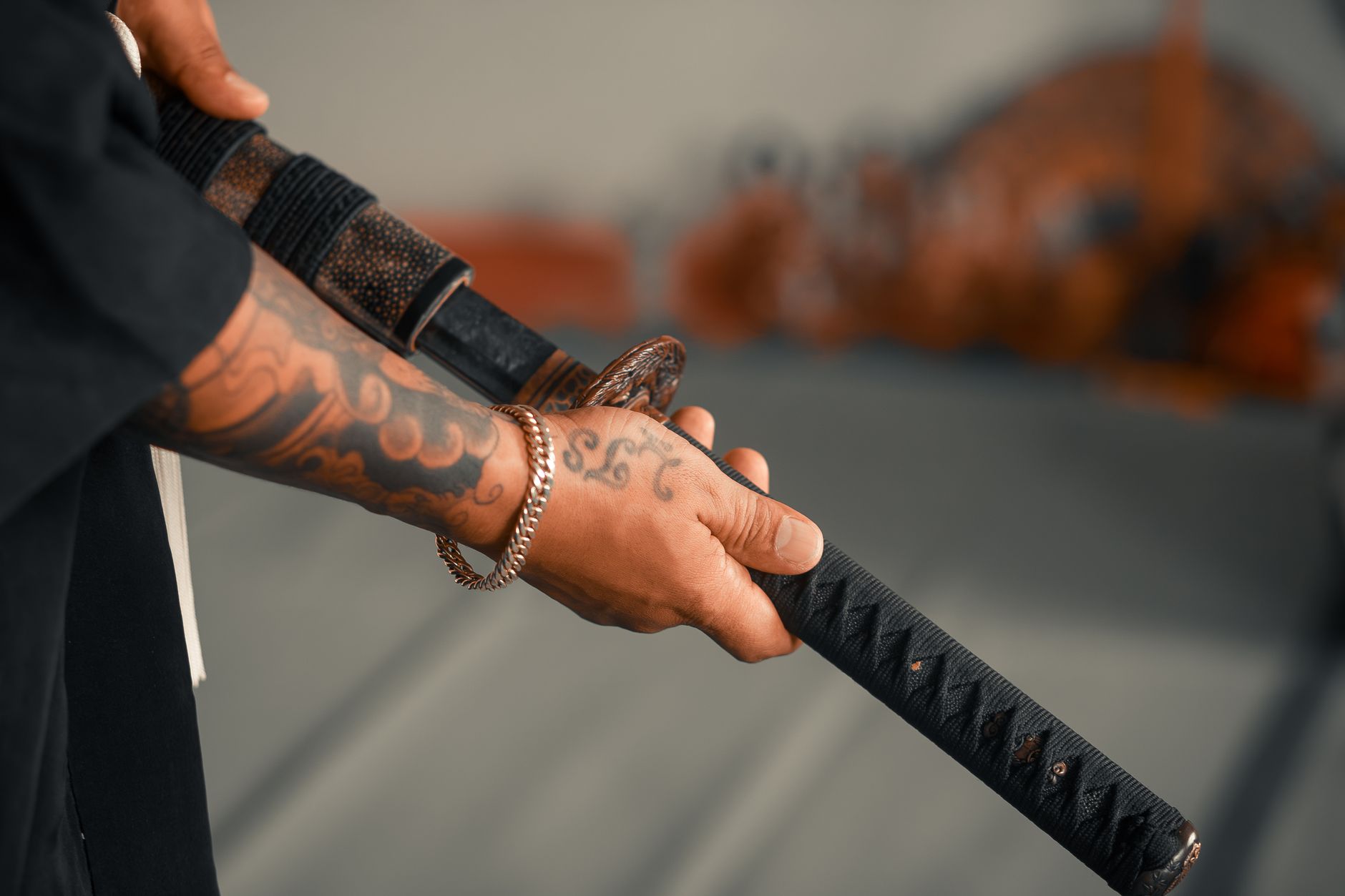
Ghost of Yōtei is a deliberate step away from its predecessor’s story rather than a retread. Set in 1603 on the island of Ezo, it follows Atsu, a mercenary hunting the group of criminals known as the Yotei Six who killed her family. Sucker Punch kept the open-world structure and the cinematic swordplay that made Ghost of Tsushima a hit in 2020, but handed the player a new protagonist, a new landscape, and a revenge story with a much sharper edge.
What stands out is what the game does not include. There is no battle pass in the main campaign, no daily login treadmill, and no live service scaffolding bolted to the side. Players buy it, play it at their own pace, and finish it. That is an old-fashioned proposition in 2025, and its success suggests the audience for it never went away.
The Economics of Finishing a Game
The appeal of a single-player epic to a platform holder is easy to underestimate. A live service game needs to find a large audience, hold it, and keep feeding it content for years before it pays off, and that bet only works if the community sticks around. A game like Ghost of Yōtei makes its case up front. It sells at full price, generates a wave of coverage and word of mouth at launch, and puts a visible showcase for the PS5’s hardware in front of millions of people.
There is also the matter of cost predictability. Building a large open-world action game is expensive, but the risk is relatively contained. The team knows what the finished product looks like, the production has an end date, and the studio does not need to staff a permanent operation to support it. When a live service title misses, the losses can keep compounding through post-launch teams, marketing pushes, and server infrastructure.
Ghost of Yōtei also benefits from a franchise that had already proved its audience. Ghost of Tsushima built a following that extended well beyond PlayStation’s core fanbase, partly through its later PC release and a well-received film adaptation in development. Sucker Punch was not asking players to take a leap of faith, only to come back to a world and a style they already liked, with a new story attached.
The less obvious payoff is the long tail. Single-player games with strong reputations keep selling through discounts, bundles, and subscription catalog placements for years. A well-loved campaign gets recommended, streamed, and revisited, and it keeps drawing new players long after the launch window closes. That slow, steady revenue is harder to dismiss than a launch-day spike.
The Live Service Hangover
Ghost of Yōtei landed at an awkward moment for Sony’s wider strategy. The company spent heavily on live service ambitions, and the results were uneven at best. The abrupt end of Concord, which went offline only weeks after launch, made the risks painfully public, and we looked at how that fallout has been quietly reshaping Sony’s live service bets. Several other projects have since been delayed or reworked.
Against that backdrop, a polished single-player release from a trusted studio looks less like a safe choice and more like a stabilizing one. It is not that live service is dead at PlayStation, since Sony has not abandoned the model and Ghost of Yōtei itself is getting a multiplayer Legends mode. But the sales give the company a counterweight, proof that its most dependable output is still the kind of game it has been making since the PS2 era.
What Comes Next for Sucker Punch and PlayStation
The immediate question is how Sony uses this momentum. A strong sales showing tends to shape what gets greenlit next, and it gives first-party teams more leverage when they pitch ambitious, self-contained projects. Studios that had been nudged toward service-style designs may now find it easier to argue for a focused, story-first approach, especially if their track record supports it.
There is a quieter pressure too. Players who loved Ghost of Yōtei will want to know what Sucker Punch does next, and the studio has now delivered two hits in a row in the same franchise family. Pushing the series forward again could mean another setting, another era, or something entirely different, and each option carries a different kind of risk. The Legends mode already hints at how the studio might extend the game’s life without compromising the campaign.

The bigger test is whether Sony treats this as a lesson or a one-off. If single-player epics keep delivering at this level while live service launches struggle, the company will have to decide how much of its schedule it is willing to hand to the harder bet, and whether the next Ghost-sized hit is already in development or still waiting for a green light.
Frequently Asked Questions
When did Ghost of Yōtei release?
Ghost of Yōtei launched on PS5 in October 2025. It was developed by Sucker Punch Productions as a follow-up to Ghost of Tsushima.
Does Ghost of Yōtei have multiplayer?
The main game is a single-player campaign, but a multiplayer mode called Legends has been announced as a follow-up addition.
Why do Ghost of Yōtei’s sales matter for Sony?
They show that big, self-contained first-party games can still deliver strong returns, which matters as some of Sony’s live service projects have struggled.