



Every month, Steam asks a random slice of its users to describe their machines, and every month the operating system chart gets read like tea leaves. The latest results show Windows 11 with a clear lead over Windows 10, ending a long stretch in which the older system held on despite Microsoft’s repeated nudges. For a platform where the PC is the console, the gap says something specific about what gamers are actually running.
The milestone arrived slowly, then all at once. Windows 11 launched with hardware requirements that locked out plenty of capable gaming rigs, and for years the upgrade felt optional to anyone whose PC ran games fine already. Gamers tend to follow a simple rule: don’t touch what works. What changed is that the reasons to stay put have been dropping away one by one, and the survey is now catching the result.

Why the Crossover Took So Long
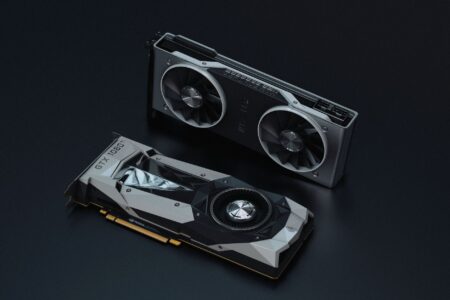
Windows 11 asked more of PC owners than any Windows release in recent memory. TPM 2.0, Secure Boot and a fairly strict list of supported processors meant that a gaming desktop built a few years earlier could be perfectly fast and still get a “this PC can’t run Windows 11” message. Many players read that message and shrugged. A graphics card is the part of a gaming PC that decides frame rates, and nobody was losing sleep over an operating system version that offered no obvious performance gain in the games they played.
Early reputation did not help. The first wave of Windows 11 coverage focused on a redesigned Start menu, a centered taskbar and a few scheduler problems on certain processors. Enthusiasts who tune their machines tend to wait for the dust to settle, and many of them waited a long time. Meanwhile, Windows 10 kept receiving updates, kept running every game on the store, and gave users no pressing reason to leave.
Hardware refresh cycles did the quiet work. Every new laptop, prebuilt desktop and motherboard bundle shipped with Windows 11 by default, so the install base tilted a little with each purchase. Steam’s survey captures that slow replacement effect better than almost any other dataset, because PC gamers upgrade parts in waves rather than on a schedule. The crossover is less a decision by millions of people than the sum of millions of small hardware purchases.
The Support Clock and Steam’s Own Housekeeping
Microsoft ended mainstream support for Windows 10 in October 2025, and that date has done more persuasion than any feature list. Security updates are the one thing that even the most stubborn tweaker cares about once a machine is online all day, logged into a store with a payment method attached. Microsoft has offered a paid extended security update route for those who cannot move, but it is a stopgap that most gamers are unlikely to want to pay for.
Valve has applied its own pressure from the other direction. Steam dropped support for Windows 7, 8 and 8.1 at the start of 2024, and it has been winding down 32-bit Windows support as well. Each cutoff trims the long tail of old installs and makes the survey look more modern than it did before. That does not make the results false, but it does mean the chart is shaped partly by Valve’s own choices about who can run the client.
What the Lead Really Tells Us
Start with the obvious caution: the Steam Hardware and Software Survey is opt-in, and Valve asks only a subset of users each month. It is a large sample, but it is not a census, and it has a history of odd swings, including sudden jumps tied to language settings that suggest regional sampling quirks. Treating a single month as gospel is a mistake. The more useful reading is the direction over many months, and that direction has been steady, with Windows 11 gaining ground while Windows 10 slides.
The lead matters because developers and hardware makers read this chart when deciding what to test and what to drop. A game studio weighing whether to build around DirectStorage, newer scheduling behavior or features tied to recent Windows builds wants to know that most of its audience can actually use them. When Windows 11 becomes the majority, those features stop being a bet on a minority and start being a sensible default. Anti-cheat vendors, driver teams and peripheral software makers follow the same logic, usually without announcing it.
There is a quieter story in the machines that never made the jump. Some owners of capable PCs have skipped the upgrade because of those hardware checks, and a share of them are experimenting with other routes, from unsupported installs to Linux. Valve’s SteamOS push, which gets another boost with the Steam Machine launch, gives those players a more credible exit than they have had in years. Whether that exit grows into a visible slice of the chart is a fair question, but the Windows 10 holdouts are exactly the group most likely to test it.
And the survey cannot see everything. A Windows 10 machine that falls out of support does not stop being a gaming PC overnight, and a rig that fails the TPM 2.0 check still launches Steam every evening. It just never gets counted as Windows 11.