




A game with no fixed story, no defined hero, and a world made of cubes just spent weeks dominating theaters, and studio executives are taking notes.
A Game Without a Plot Became a Box Office Event
Minecraft looked like a difficult adaptation on paper. Mario has a plumber and a princess to rescue, and Sonic has a speedy hedgehog with an attitude. Minecraft has a blank world, a handful of mobs, and millions of players who each remember a different version of the game. Warner Bros. and Legendary solved the problem by dropping a group of misfit humans through a portal into the Overworld and letting the game’s rules supply the stakes.
The result opened well above $150 million domestically when A Minecraft Movie arrived in April 2025, and it went on to climb toward the billion-dollar range worldwide. Those are numbers usually reserved for superhero tentpoles and animated juggernauts, not for a film built on a sandbox game. The audience was already there. Years of play, YouTube clips, and school-yard trading of tips had made the property familiar to children and to the parents who had spent evenings helping them survive their first night.
Anticipation had been building for months. The film’s trailer was already setting streaming records, and the early online reaction, much of it jokey, turned the marketing into a running meme before a single ticket was sold. That kind of free attention is hard to buy, and it arrived with a built-in sense of humor about the whole project.
Critics were far from unanimous, and it hardly mattered. Families were not shopping for awards contenders. They wanted ninety-odd minutes of recognizable creepers, crafting tables, and Jack Black being Jack Black, and the film delivered those things loudly.
What Studios Are Taking From the Result
For years, the conventional wisdom around game adaptations split into two camps. One favored prestige drama with grim tones and heavy lore, the model that worked on television. The other favored fan-service films for existing devotees, which tended to cap out at modest returns. The Super Mario Bros. Movie cracked that wall for animation in 2023, and Minecraft has now done it with a live-action and computer-generated hybrid. Family audiences will show up in force for a game movie, provided the film treats them as the primary customer.
The more striking lesson is about what kind of game can be adapted. Minecraft has no canonical narrative to protect, which turned out to be a strength. Games built around creation rather than storytelling, where every player owns a personal version of the experience, suddenly look like viable film properties. Executives who once skipped sandbox titles because there was “no story” are now looking at them differently, since the lack of fixed plot gives writers room to invent while the brand supplies the recognition.
Tone may be the most copyable ingredient. Director Jared Hess brought an offbeat, deadpan comic sensibility that suited the strange logic of the game. The film leaned into absurdity instead of apologizing for it, and the cast played the silliness straight. Gone was any attempt to explain why a pig might be dangerous or why a village might need a hero. A studio that treats a blocky, whimsical property with grave seriousness risks missing exactly what made players love it in the first place.

There is a risk in over-learning the lesson. Minecraft’s reach is unusual, and few games have its cross-generational saturation. A studio that greenlights a family adaptation of a smaller or more niche title, assuming the audience will simply appear, may find that Minecraft’s success came from cultural ubiquity and not from the mere fact that it was a game. Fatigue is also a real possibility if the market floods with similar projects aimed at the same family ticket.
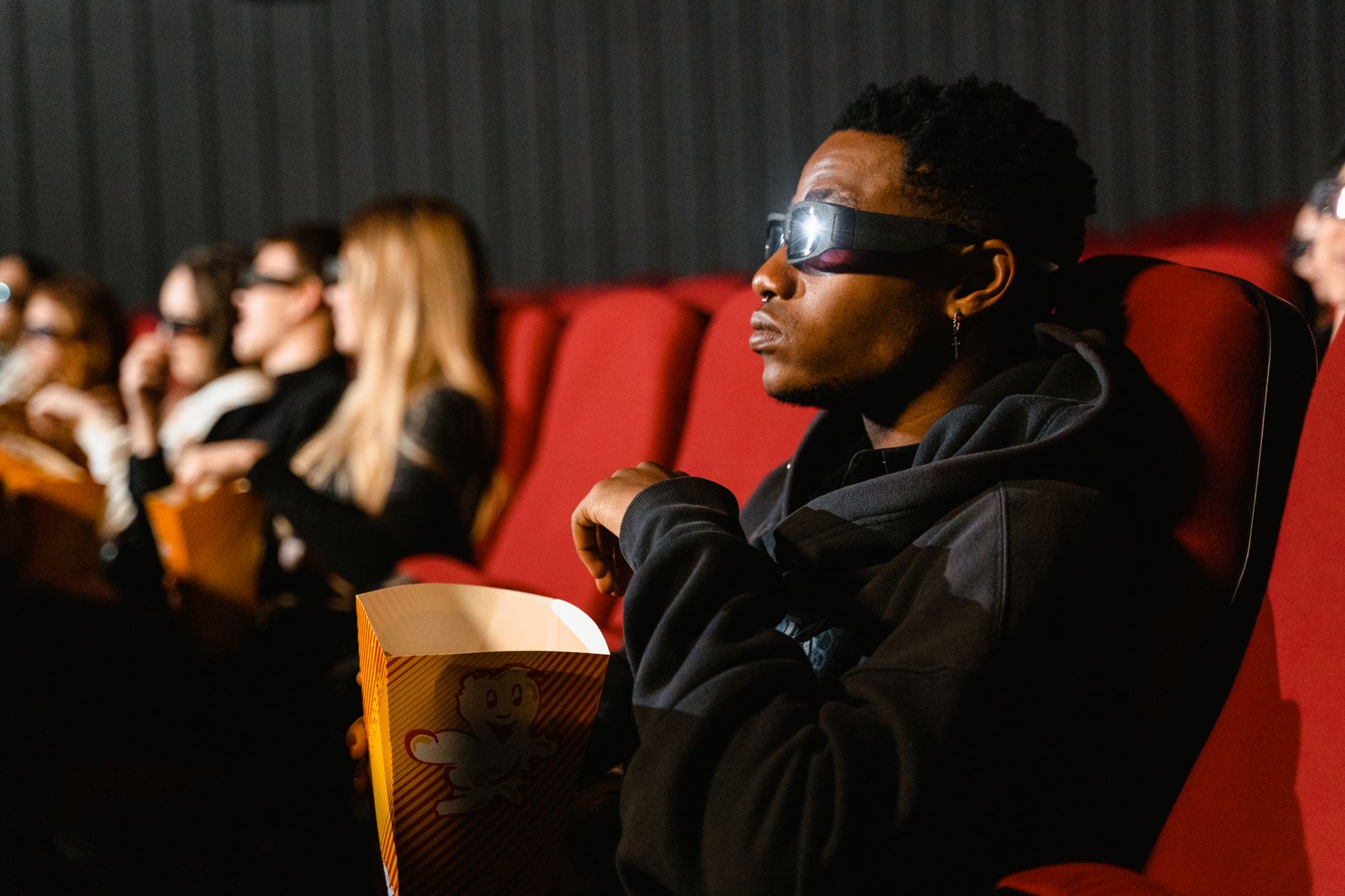
The economics of the theatrical outing deserve attention too. A family of four buying tickets, snacks, and drinks produces a very different return than a single moviegoer, and the participatory screenings turned the film into a repeat-viewing event. Audiences quoted lines back at the screen, and the chicken jockey moment became a shared ritual in many auditoriums. That kind of communal behavior is difficult to manufacture, but studios will certainly try to encourage it in future releases.
The Harder Question Comes Next
A sequel has reportedly been dated for 2027, and the pressure on it will be of a different kind. The first film benefited from curiosity about how anyone could possibly turn Minecraft into a movie. That surprise cannot be repeated, so the follow-up will need a stronger story, sharper jokes, and some reason for audiences to return beyond brand loyalty.

Hollywood’s appetite for game properties will not shrink after this run, but the next wave will be judged against a very high bar. If a film about a game with no plot can nearly reach a billion dollars, what happens to the adaptation that has a plot, a fan base, and still fails to find the same joyful, slightly ridiculous energy?
Frequently Asked Questions
How did A Minecraft Movie perform at the box office?
The film opened well above $150 million domestically in April 2025 and climbed toward the billion-dollar range worldwide, making it one of the biggest video game adaptations to date.
Why is the Minecraft movie changing how studios view game adaptations?
It showed that a sandbox game with no fixed storyline can succeed as a family film, which makes creation-focused games look like viable adaptation candidates.
Is a Minecraft sequel planned?
A sequel has reportedly been dated for 2027, though story details have not been widely detailed.