




Netflix is running two game-related bets at once, and they do not always pull in the same direction. The first is adaptation: taking established franchises and turning them into animated and live-action series. The second is the games business itself, a catalog of mobile and TV titles bundled into the subscription at no extra charge. The first bet has produced some of the most talked-about shows on the service. The second has produced a steady run of restructuring headlines, which raises the question of whether Netflix understands games as a medium or only as a source of recognizable intellectual property.
The adaptations are working far better than the games, and that gap is the story.
Arcane, the animated series built from League of Legends, won an Emmy for outstanding animated program and gave Riot Games a prestige credential that no balance patch could. Cyberpunk: Edgerunners sent viewers back to a game that had a rough launch, and Castlevania proved that a gothic action series could hold an audience across multiple seasons. Netflix’s own games push, meanwhile, began in late 2021 on mobile with a simple pitch: no ads and no in-app purchases for subscribers. Since then, the catalog has changed shape more than once, and the strategy behind it has been harder to describe than the shows.

Adaptations Are Doing the Heavy Lifting
Animation has become Netflix’s preferred language for game adaptations, and the logic is easy to follow. Game worlds tend to be built on dense lore, stylized visuals and characters who look nothing like ordinary actors. An animated series can reproduce that look without asking a human performer to resemble a polygon model. It also lets a creative team tell a serialized story at the pace of a prestige drama rather than the pace of a cutscene. Devil May Cry, Tomb Raider: The Legend of Lara Croft and Splinter Cell: Deathwatch all follow that template, and each one treats the source game as a style guide as much as a plot.
Live action is the harder sell. The Resident Evil series from 2022 ended after a single season, a reminder that a recognizable title does not guarantee an audience that is both loyal and patient. Live-action game adaptations have to satisfy two groups at once. Longtime players want fidelity to details they have memorized, while newcomers want a story that makes sense without a decade of context. Those goals often conflict, and when a show leans too far toward one side, the other group leaves. The Witcher sits in a slightly different category, since it is drawn from the books, though the popularity of the games clearly shaped how the series was received.
The business case for all of this is straightforward. A game franchise arrives with built-in awareness, which lowers the marketing burden for any show carrying its name. But Netflix does not own most of these properties, so the commercial lift from a hit adaptation often lands elsewhere. A viewer who finishes Arcane and wants more is likely to open League of Legends on a PC, not a Netflix game on a phone. The company is effectively sending its most engaged fans to someone else’s storefront, and nothing about its current games catalog is built to catch them on the way out.
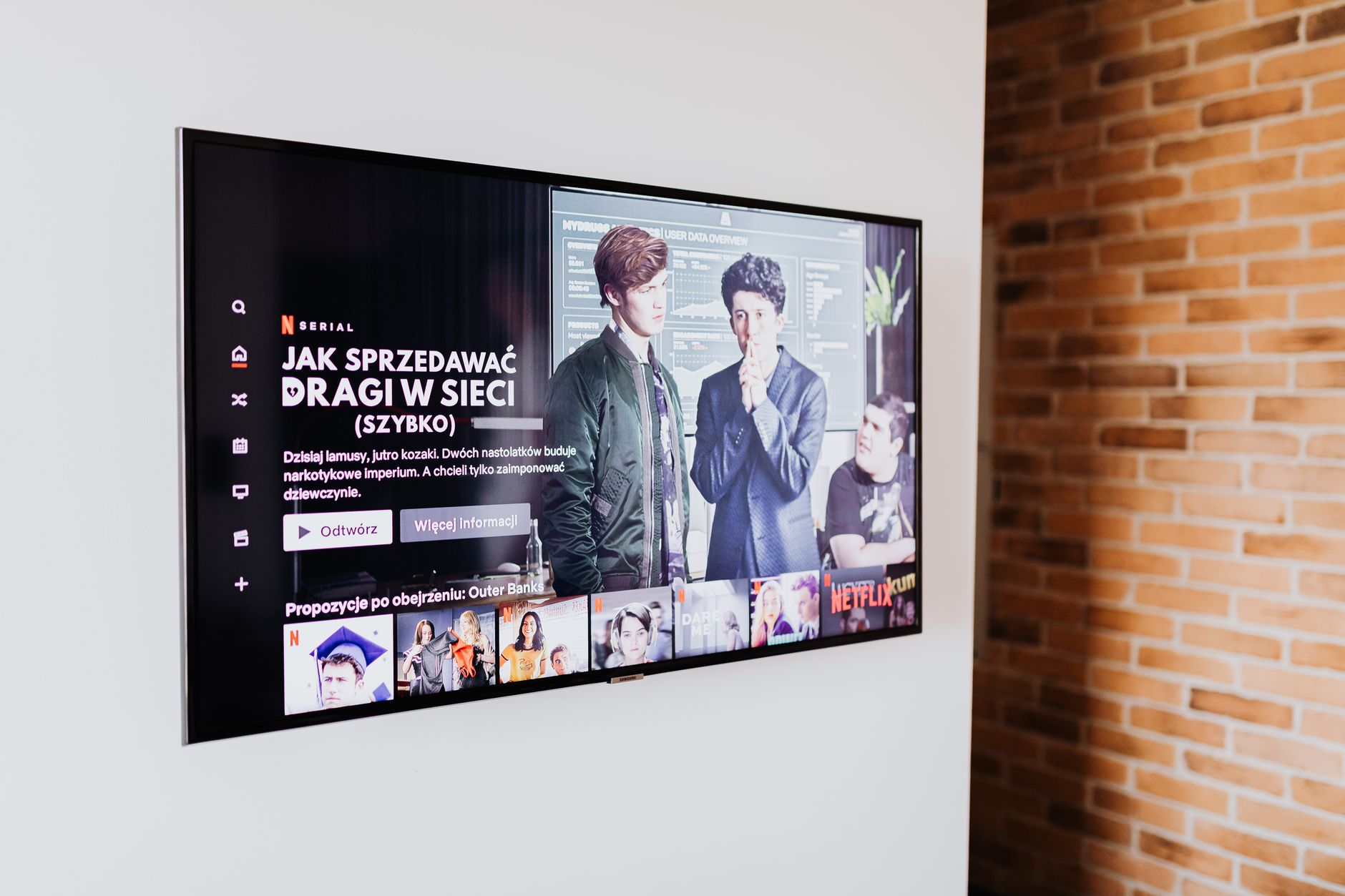
A Games Business Still Searching for a Shape
The early version of Netflix Games was a land grab. The company acquired studios including Night School Studio, the team behind Oxenfree, along with Boss Fight Entertainment and Next Games. It also licensed ports of existing titles, including the Grand Theft Auto trilogy for mobile. The ambition appeared to be a broad library that would make a Netflix subscription feel like a games subscription too. That ambition has since narrowed. Netflix shut down the big-budget studio it had assembled internally, and leadership of the division changed hands, signaling that a blockbuster-scale games operation was no longer the plan.
What has replaced it is a pivot toward the television screen. Netflix has been rolling out party-style games that use a phone as the controller, alongside narrative games tied to its own shows and titles aimed at families. The reasoning holds up: the living room is where Netflix subscribers already spend their time, and a game that launches from the same remote as a sitcom removes the friction of finding, downloading and learning a separate app. Mobile discovery was always a weak point for a company whose audience opens Netflix to watch something, not to browse a games shelf.
Still, the pivot exposes a tension that no interface redesign can fix. Players who care about games want depth, progression and a reason to return for months, while a subscriber filling twenty minutes on a couch wants something light. Netflix also gave up the revenue model that funds most successful games by promising no ads and no microtransactions, so success has to be measured in retention rather than sales. That makes games a feature of the subscription, not a business with its own economics. It is a defensible position, but it is a different one from the “games are our next big category” message that accompanied the 2021 launch.

The most successful game-related project Netflix has ever made is a show built on a game it does not own, and nothing in its own games library has come close to matching it.
Frequently Asked Questions
Which video game adaptations has Netflix released?
Netflix has released Arcane, Cyberpunk: Edgerunners, Castlevania, Resident Evil, Devil May Cry, Tomb Raider: The Legend of Lara Croft and Splinter Cell: Deathwatch, among others. Most of them are animated.
Does Netflix make its own video games?
Yes. Netflix Games launched in late 2021 and is included with a subscription, with no ads or in-app purchases. The catalog has shifted from mobile titles toward games played on the TV.
Why does Netflix favor animation for game adaptations?
Animation can match the stylized look of a game world without relying on actors to mimic digital characters. It also suits the dense, serialized lore many games are built on.