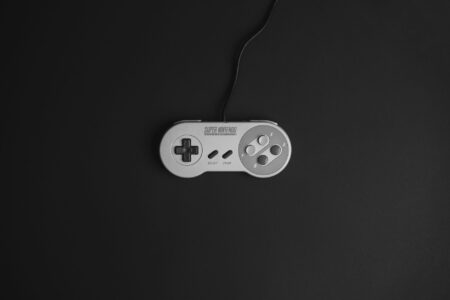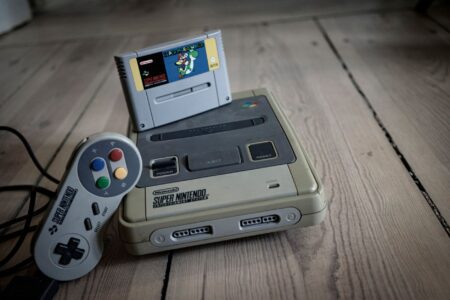



Star Fox has not received a mainline entry since Star Fox Zero launched on the Wii U in 2016 – a console that itself became a commercial footnote. Nearly a decade later, the franchise sits in a holding pattern that Nintendo has never publicly addressed, and the fanbase that grew up doing barrel rolls with Fox McCloud is running out of patience.
A Silence That Keeps Getting Louder
The Star Fox franchise has always occupied a strange position in Nintendo’s portfolio. It is beloved enough to headline Nintendo 64 greatest-hits lists and generate genuine nostalgia, but it has never been consistent enough to build the kind of sustained commercial momentum that drives annual development cycles. The gap between Star Fox 64 in 1997 and Star Fox Adventures in 2002 was jarring. The gap between Star Fox Zero in 2016 and now is starting to feel less like a hiatus and more like a quiet cancellation that Nintendo forgot to announce.
What makes the current silence more pointed is context. Nintendo has spent the Switch era reviving and reinventing properties that once seemed equally dormant. Metroid Dread ended an 19-year drought for 2D Metroid. Pikmin 4 arrived after a decade-long gap. Even Advance Wars, a franchise most casual Nintendo fans had completely forgotten, got a remaster. Star Fox received nothing – not a port, not a collection, not even a cameo-driven announcement to signal that Nintendo remembers it exists.
The argument Nintendo loyalists typically make is that the company moves on its own timeline, and patience is usually rewarded. That argument has genuine historical backing. But it works less well when a franchise’s last entry was widely criticized, left on a failed console, and was never ported forward. Star Fox Zero did not just underperform – it was almost universally seen as a creative misfire, particularly for its forced motion controls. That means the franchise’s current starting point, should Nintendo ever return to it, requires acknowledging and correcting a failure, which is harder than simply picking up where a successful game left off.
Fox McCloud did appear in Super Smash Bros. Ultimate, which Nintendo fans sometimes point to as proof of life for the character. But Smash Bros. representation is not franchise activity. Dozens of characters from dormant or dead series appear in Smash. Being in the roster does not mean a new game is coming, and treating it as meaningful acknowledgment of Star Fox’s future starts to look like reading too much into very thin evidence.
Why Nintendo Hasn’t Moved – And Why That’s a Problem
The most honest explanation for Star Fox’s absence is a design problem that Nintendo has not publicly solved: what should a modern Star Fox game actually be? The franchise started as a pure rail shooter, a format that felt cutting-edge in 1993 and nostalgic by 2006. Every attempt to expand beyond that formula – open-world dinosaur planet exploration in Adventures, hybrid on-foot sections in Assault, all-range mode expansions across multiple games – has produced mixed responses from fans who largely just want the tightly designed corridor shooting of the original concept.

Star Fox Zero tried to resolve this by doubling down on the classic rail-shooter format while adding the GamePad’s gyroscope as a layer of depth. The result satisfied almost nobody. Critics found the dual-screen control scheme disorienting, and longtime fans felt the game offered nothing they had not already played better in Star Fox 64. That failure effectively closed off the “return to basics” strategy without offering any clear alternative direction. Nintendo is now in a position where neither conservatism nor experimentation has worked, which makes the blank page problem genuinely difficult.
There is also a commercial reality underneath the creative one. Star Fox has never been a system seller. It has never moved hardware the way Zelda, Mario, or even Splatoon does. Nintendo allocates development resources with clear ROI expectations, and a franchise with an unresolved identity problem and a modest sales ceiling is unlikely to get the green light when the same studio hours could go toward a guaranteed performer. That calculus is understandable from a business perspective, and it is also exactly why fans find it frustrating – because it implies the franchise will only get a real shot when the conditions are commercially safe, which may never arrive.
The Nintendo Switch 2 launch window has come and gone without any Star Fox announcement. Nintendo’s upcoming release schedule, based on what has been publicly confirmed, contains no mention of the franchise. A new Star Fox title is not a secret project that might be revealed at the next Nintendo Direct – there is simply no credible indication one is in development at all. Fans who held out hope that the Switch 2’s launch energy would finally create space for a Fox McCloud return are now recalibrating expectations downward again.
Nintendo has shown it can take long-dormant franchises seriously when it decides to. The revival of F-Zero has become its own ongoing conversation – F-Zero’s extended absence has drawn similar frustration from its own dedicated community, and the two franchises increasingly represent the same kind of institutional neglect applied to properties that were never commercially safe enough to prioritize. The difference is that F-Zero at least has a clear identity. Star Fox’s problem runs deeper because the question of what it should be is still genuinely unanswered.
What Waiting Has Actually Cost the Franchise
Fanbases do not wait indefinitely without cost. The kids who played Star Fox 64 on release are now adults with disposable income and short lists of franchises they actively track. Every year that passes without a new entry is a year that group moves further away from the franchise emotionally, not closer. Nostalgia has a shelf life. It can be reactivated, but it requires a product worth reactivating around, and the longer Nintendo waits, the harder that reactivation becomes.

The cruelest part of the current situation is that the goodwill is still mostly there. Fan communities continue producing Star Fox content, speedrun categories for Star Fox 64 remain active, and every Nintendo Direct still generates a small wave of hopeful speculation that this might finally be the announcement. Nintendo still has the audience. What it does not have is a game to give them – and at some point, the audience stops showing up to check.