


A Strong Solo Game With a Narrow Reach
Pikmin 4 arrived in July 2023 as a polished, confident entry in one of Nintendo’s most beloved niche franchises. It refined the core loop, introduced a dog companion named Oatchi, added night expeditions, and smoothed out the onboarding for newcomers. Critics praised it. Sales outperformed prior entries. By nearly every measure, Nintendo delivered exactly what longtime fans had been asking for. And yet something was conspicuously absent from the package: any meaningful multiplayer component.
The omission is not new for the series. Pikmin has historically been a solo experience with occasional co-op gestures, most notably the two-player Bingo Battle mode in Pikmin 3. But in a market where the games that break through to mainstream audiences – particularly on Nintendo hardware – tend to offer shared-screen or online play, Pikmin 4’s single-player-only structure creates a ceiling that the game’s quality alone cannot push through.
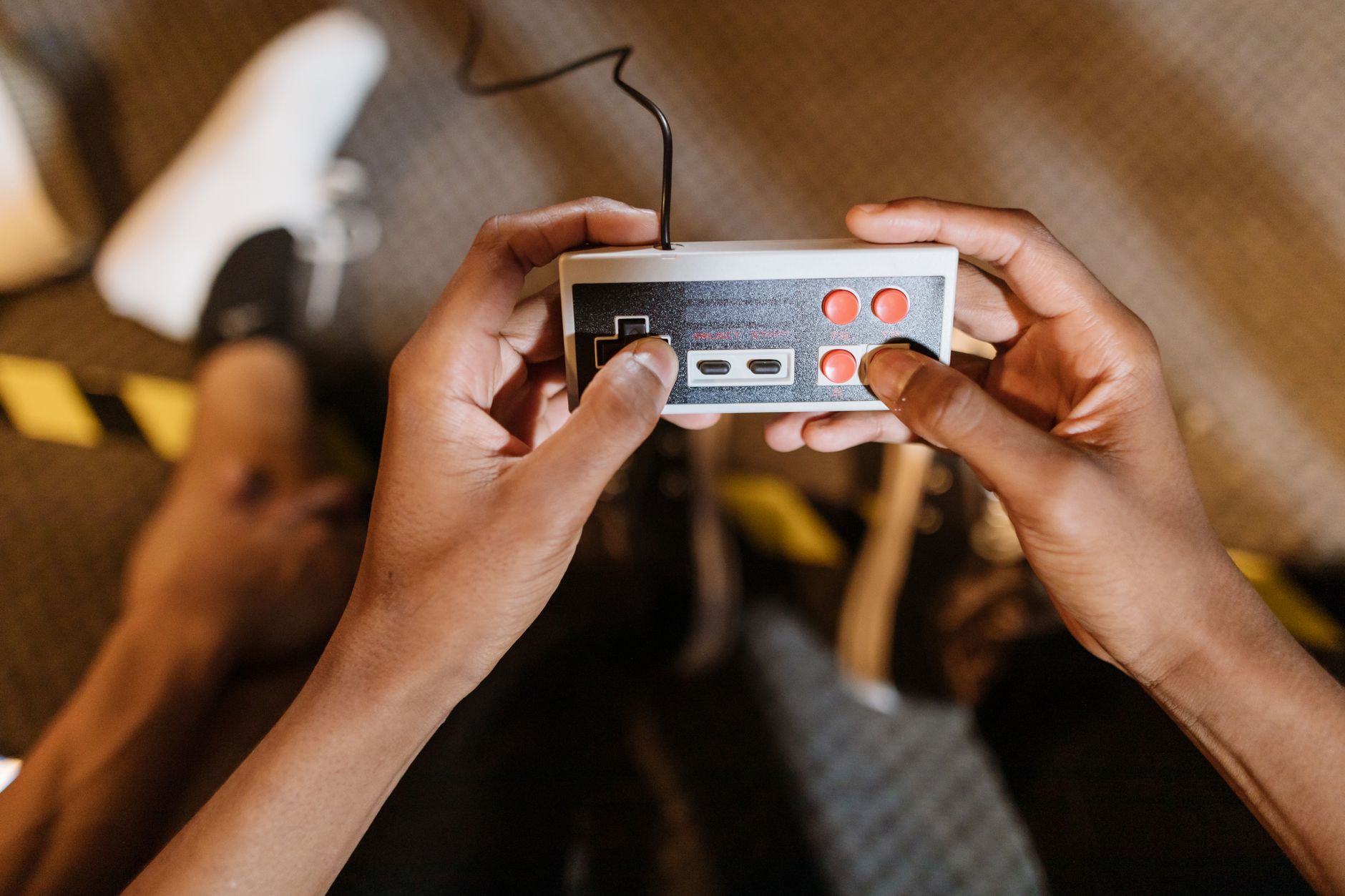
What Multiplayer Does for a Game’s Reach
The connection between multiplayer and mainstream longevity is not a coincidence. Games that allow two or more people to play together in the same room – or online – generate a specific kind of word-of-mouth that solo games simply cannot replicate. Someone watches a friend play and wants in. A parent sits down with a child. A group at a party cycles through rounds. This social dimension is how games exit the enthusiast space and reach people who would never seek them out independently.
Nintendo understands this better than almost any other publisher. Mario Kart, Animal Crossing, Splatoon, Super Smash Bros., even Luigi’s Mansion 3 – every franchise Nintendo has elevated to household-name status carries some form of social play. Pikmin 4 sits outside that ecosystem. It is a game you play alone at your desk or on the couch, which limits how many people ever discover it through someone else.

The Specific Cost to Pikmin 4
Pikmin 4’s core mechanics – directing small creatures, managing time, solving environmental puzzles – are actually well suited to a cooperative structure. The pressure of the time limit, the division of tasks across multiple Pikmin types, the need to monitor multiple hazards simultaneously: these are all problems that two players could share, and that shared tension would likely make the experience more engaging for casual audiences who find solo resource management stressful rather than satisfying.
A two-player co-op mode would not need to overhaul the game’s design. It could simply allow a second player to control a separate captain or share Oatchi duties, splitting the tactical load. Pikmin 3 demonstrated that the franchise can support co-op without breaking its identity – its co-op story mode was a highlight for many players who would never have finished the game alone. Pikmin 4 launching without even that option feels like a missed opportunity rather than a principled design choice.
The absence also affects streaming and content creation, which functions as organic advertising for modern games. Pikmin 4 is a quiet, methodical experience. It does not generate the same shareable moments that a competitive or co-op game does. Streamers playing alone through a slow-burn strategy title draw a specific audience – not a broad one. Games that let two people play together on stream, react to each other, and make in-the-moment decisions produce content that pulls in viewers who are not already fans of the franchise.
This matters because Pikmin 4’s sales success, while real, has not translated into the kind of cultural visibility that would pressure Nintendo to treat the series as a flagship property. Pikmin 4’s quiet success is already pressuring a faster sequel greenlight, but “quiet” is doing a lot of work in that sentence. The game moved well for Pikmin. It has not moved the needle on how general audiences perceive the franchise.
Why Nintendo Keeps the Formula Narrow
There is a reasonable case for why Nintendo has not pushed harder on Pikmin multiplayer. The series has a distinct vision – one captain, one day, one planet to rescue. Adding a second player introduces design complexity that could dilute what makes Pikmin feel precise and intentional. Nintendo’s development teams are known for protecting a game’s core identity, sometimes at the cost of features that might widen the audience.
The counter-argument is that protecting a niche identity is only sustainable when the niche is large enough to justify continued investment. Pikmin’s fanbase is loyal and vocal, but it is not enormous. If Nintendo wants the series to remain a regular release cadence rather than a once-per-decade event, the games need to find more players each cycle. A multiplayer hook is one of the most direct routes to that outcome.
What the Next Entry Needs to Address
If a Pikmin 5 is in development – and the speed of Pikmin 4’s success makes that a reasonable assumption – the multiplayer question will be the most consequential design decision Nintendo faces for the franchise. Not the biome selection, not the number of Pikmin types, not the story structure. Whether two people can play together will determine whether Pikmin can finally escape its cult-favorite classification and function as a genuine platform seller.
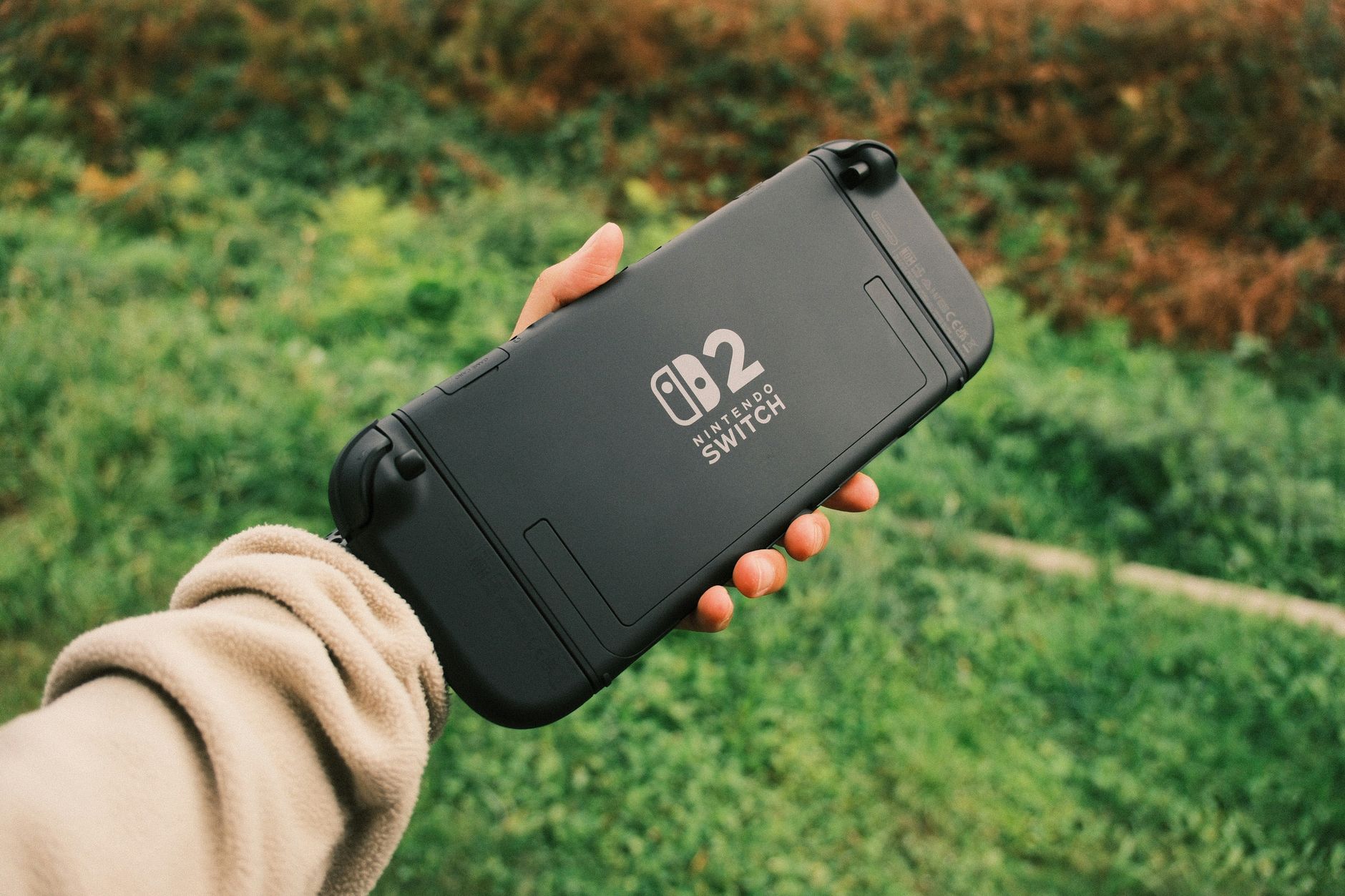
The Switch 2 environment makes this more pressing, not less. Nintendo’s next-generation hardware will compete for attention against a crowded library of games that all offer social play options as a baseline feature. A Pikmin entry that launches on Switch 2 with the same single-player-only structure as its predecessor will read, to a mainstream audience, as a game that is not built for them.
Pikmin 4 is genuinely one of the better strategy games released on Switch. That quality did not save it from being a niche success when it could have been a broad one – and a co-op mode that Nintendo cut or never started building is the most likely reason why.