



The Weight of a Perfect Launch Game
When a game ships with a console and earns near-universal praise, the studio behind it inherits a specific kind of pressure – the kind that doesn’t go away quietly. That’s the situation Team Asobi now finds itself in, as the acclaim surrounding Astro’s Playroom keeps compounding, and questions about a follow-up grow louder by the month.
How Praise Became a Double-Edged Sword
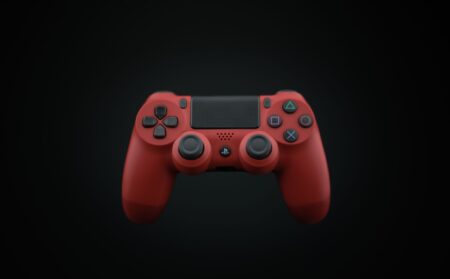
Astro’s Playroom launched alongside the PlayStation 5 in November 2020 as a free pack-in title – a tech demo dressed up as a love letter to PlayStation history. Critics and players responded with something rarer than typical launch excitement: genuine warmth. The game won awards, topped “best of” lists, and became the go-to argument for anyone defending the DualSense controller’s haptic feedback and adaptive triggers as more than a gimmick. That reception was never supposed to carry this much weight, but here we are.
Team Asobi, the Sony first-party studio responsible for the game, has spent the years since receiving consistent public praise from within the industry. PlayStation executives have cited the studio as a key creative asset. Developers at other studios have publicly named Astro’s Playroom as a benchmark for controller integration and game feel. Each new compliment refreshes the expectation that whatever comes next needs to clear an increasingly high bar.
The problem with being called a masterclass in something is that you now have to teach it again. Astro’s Playroom worked partly because it was genuinely surprising – nobody expected the pack-in tech demo to be the PS5’s most joyful game. A sequel can’t replicate that surprise. It has to be better on its own terms, with an audience that now shows up with specific expectations rather than open curiosity.
Team Asobi has remained publicly quiet about what’s next, which is doing nothing to reduce speculation. Studio head Nicolas Doucet has spoken in interviews about the team’s love of physical game feel and their interest in pushing the DualSense further, but no formal sequel announcement has materialized. That silence has its own effect: it lets fan imagination run ahead of anything the studio could realistically deliver, raising the ceiling even higher before a single screenshot drops.
What a Sequel Actually Needs to Do
A sequel to Astro’s Playroom faces a structural challenge that most follow-ups don’t. The original’s charm came from three interlocking elements: the DualSense’s novelty, the nostalgia-driven PlayStation history tour, and the compact, focused design that never overstayed its welcome. Stretch any one of those too far and the balance collapses. Make it longer and you risk diluting the pacing. Double down on nostalgia and it starts to feel like a museum piece rather than a living game. Try to outperform the DualSense integration and you’re competing against your own hardware ceiling.
The nostalgia element deserves particular attention. Astro’s Playroom worked because it pulled from decades of PlayStation history – artifacts, characters, and sounds that carry real emotional memory for longtime fans. A sequel set in the same era of PlayStation history risks feeling redundant. One that skips ahead or reframes the concept entirely might lose the emotional hook that made the original land so effectively with older audiences. Finding a middle path that feels fresh without abandoning what made the first game matter is a design problem with no obvious solution.
There’s also the question of scope. Astro’s Playroom is roughly four to five hours long. That length is part of why it works – it’s generous but never exhausting, and every level feels considered. A full retail sequel would presumably need to justify a price point, which typically means more content. More content means more design resources, more risk of filler, and more pressure on the studio to sustain quality over a longer experience. Team Asobi is a relatively small team, and scaling up isn’t automatically an advantage.
The DualSense integration, which has found applications well beyond gaming, remains the studio’s clearest competitive advantage. Whatever the sequel becomes, it almost certainly needs to push that technology further – not just replicate what the first game did with it, but find new interactions that feel genuinely new. That’s a real constraint because the hardware hasn’t changed. The PS5’s DualSense is still the same controller it was at launch, so any leap forward has to come from creative application rather than new capabilities.
Public expectation has also shifted in a way that works against the studio. When Astro’s Playroom launched, it was a bonus – something players got for free that turned out to be remarkable. A sequel arrives as an anticipated product, priced and marketed and reviewed against a different standard. The goodwill is real, but goodwill isn’t the same as patience. Players who loved the original will want more of what they loved, and they’ll notice quickly if the sequel hedges or underdelivers.
Sony’s Stake in the Outcome
For Sony, Team Asobi sits in a particular position within the first-party portfolio. The studio doesn’t make the blockbusters – that lane belongs to studios like Naughty Dog and Santa Monica. What Team Asobi makes is something harder to replicate: games that demonstrate what PlayStation hardware can do in ways that feel joyful rather than technical. That’s a marketing function as much as a creative one, and Sony has leaned on it publicly since the PS5 launch. A sequel that disappoints doesn’t just affect the studio’s reputation – it affects the broader narrative around the DualSense and what PlayStation exclusives can offer.
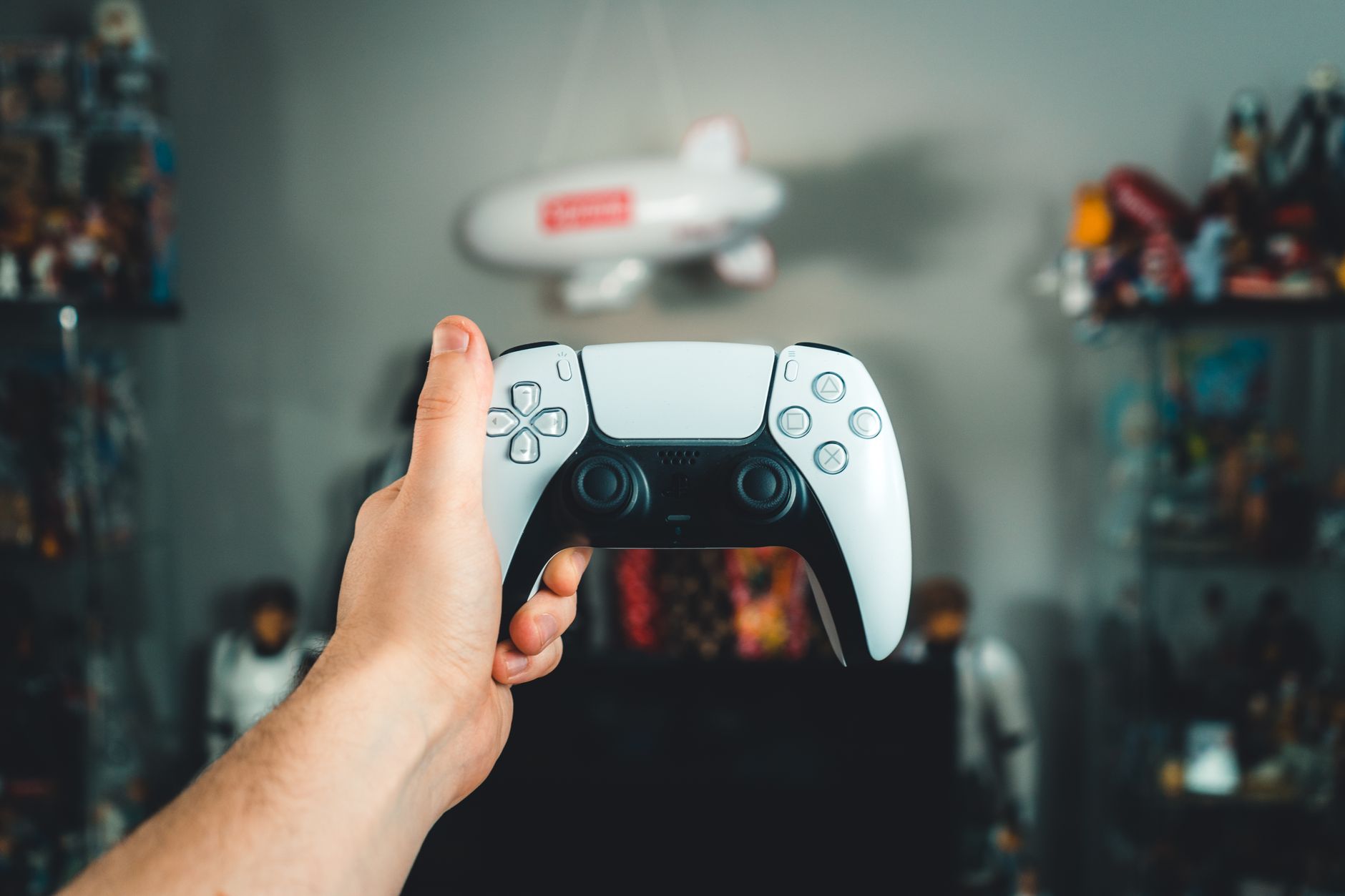
The gap between Astro’s Playroom and whatever comes next keeps getting longer. Every year that passes is another year of platform catches up – more games integrating haptic feedback, more developers experimenting with adaptive triggers, more players acclimated to what the DualSense can do. The window in which a Team Asobi sequel can still feel genuinely ahead of the curve isn’t unlimited, and that clock is running in the background of every glowing retrospective written about a game that shipped four years ago and still has no announced follow-up.
Frequently Asked Questions
Has a sequel to Astro’s Playroom been officially announced?
No. As of now, Team Asobi has not officially announced a sequel to Astro’s Playroom, though studio head Nicolas Doucet has discussed the team’s continued interest in DualSense-driven game design.
Why was Astro’s Playroom so well received?
The game combined tight platformer design, deep PlayStation nostalgia, and genuinely creative use of the DualSense controller’s haptic feedback and adaptive triggers, earning praise from critics and players alike.