


The Ghost That Keeps on Giving
Luigi’s Mansion: Dark Moon originally launched on the Nintendo 3DS back in 2013, and for a long time it lived comfortably in the shadow of its GameCube predecessor. It was a solid sequel – well-reviewed, well-loved by handheld fans – but it never carried the cultural weight of the original. When Nintendo announced a remaster for the Switch, reaction across social media and gaming forums was muted at best. The title felt like a mid-tier catalog release, something to fill shelf space between bigger launches rather than a serious commercial bet.
That read turned out to be wrong. Luigi’s Mansion: Dark Moon Remaster has moved units at a rate that has caught both observers and Nintendo’s own retail partners off guard. The title is holding chart positions weeks after its release, sustaining sales momentum that most assumed would flatten quickly. Something about this release connected with players in a way that the pre-launch conversation simply did not predict.

Why Expectations Were So Low
The skepticism made sense on paper. Dark Moon is a twelve-year-old handheld game getting an upscaled port, not a ground-up remake. Nintendo priced it as a full release, which drew immediate criticism from corners of the fanbase that view remaster pricing as a persistent sore spot. There was no major marketing push – no Nintendo Direct segment dedicated to it, no splashy trailer campaign. It was announced and then it arrived, almost quietly.
The competitive window also seemed unfavorable. Nintendo’s release calendar has been dense, and a Luigi game – charming as the franchise is – does not command the same automatic attention as a mainline Mario, Zelda, or Pokemon title. The safe bet was a decent opening week followed by a slow fade. Retailers reportedly stocked conservatively, and digital pre-orders were not signaling anything unusual heading into launch weekend.
What Is Actually Driving the Numbers
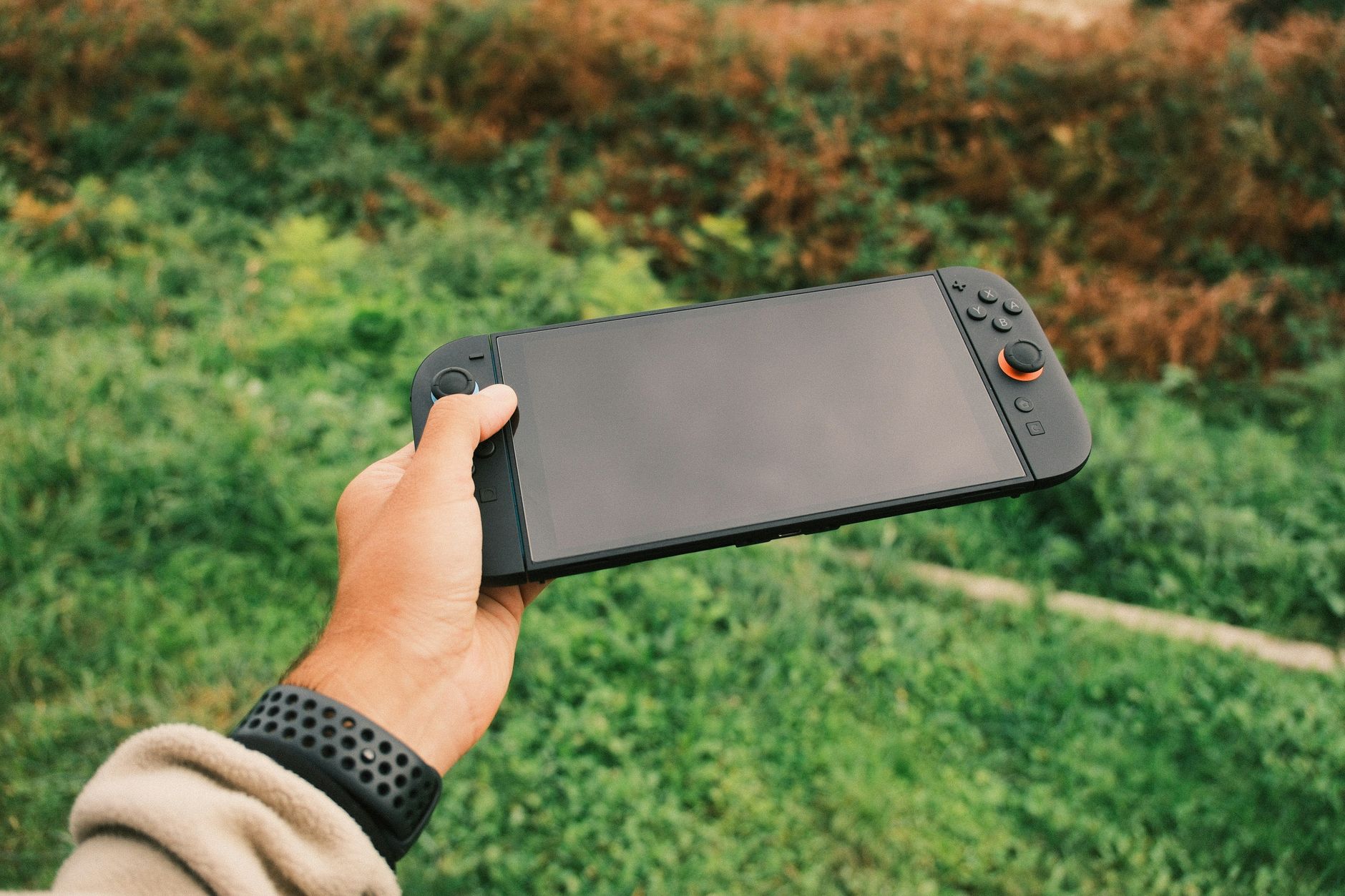
The Switch audience is genuinely different from the 3DS audience, and that gap matters more than it might initially seem. Millions of players who were not part of the handheld gaming market in 2013 now own a Switch. For a large portion of current Nintendo players, Dark Moon is not a nostalgia purchase – it is a first-time experience. That dynamic gives older catalog titles real runway on the Switch in a way they would not have had on a platform with significant audience overlap.
Co-op play has also been a quiet driver. Dark Moon’s ScareScraper mode – a multiplayer ghost-hunting mode that supports up to four players – translates well to Switch’s local wireless and online infrastructure. It is the kind of feature that gets passed around through word of mouth between friends and family groups, particularly in households where the Switch functions as a shared console. Nintendo’s platform has always over-indexed on shared-play scenarios, and this game benefits from that culture directly.
The visual upgrade, while not radical, is doing real work in the value conversation. Running at higher resolutions with improved frame rates, the game looks genuinely clean on a television screen in a way the 3DS version obviously never could. Players who remembered enjoying it on handheld are rediscovering it as a living room experience, and that shift in context changes how the game feels. It is the same content, but the presentation makes it read differently.
Nintendo’s pricing strategy also appears to be less of a barrier than initial backlash suggested. Early complaints about full retail pricing were loud on social media, but they did not translate into sustained purchasing resistance. The people who complain loudest about Nintendo pricing are often not the swing buyers who actually move the sales needle. The broader casual and family audience, which makes up a significant part of the Switch install base, tends to evaluate games on perceived quality and brand trust rather than price-to-content ratios.
Nintendo’s Catalog Strategy Is Quietly Working
Dark Moon’s performance fits a pattern Nintendo has been building for years. Bringing well-regarded older titles to Switch – even without major overhauls – creates a reliable secondary market that generates revenue with relatively low development costs. The investment required to upscale and optimize a 3DS title is a fraction of what a new IP demands, and when the original game was well-made to begin with, the floor on quality is already set. It is not glamorous development work, but it produces consistent returns.
The success here also puts pressure on Nintendo to revisit what else from its back catalog might be sitting untapped. Luigi’s Mansion: Dark Moon was considered a second-tier candidate. If it can sustain this kind of commercial performance, the calculus around other overlooked Nintendo properties starts to shift.
What Comes Next for the Franchise
Luigi’s Mansion 3, the most recent entry in the series, launched in 2019 and became one of the better-selling titles in the Switch’s lifetime. Dark Moon’s strong remaster numbers reinforce that the franchise has genuine staying power rather than occasional novelty. Nintendo owns a ghost-hunting property with consistent audience appeal, and that is not a thing it tends to leave on the shelf indefinitely.
A fourth mainline entry has not been announced, but the commercial logic for one is stronger now than it was six months ago. Next Level Games, the studio behind Dark Moon and Luigi’s Mansion 3, has stayed quiet on what it is building next. The remaster may have been partly a commercial test – a way to measure whether player appetite for the franchise remained strong heading into a new hardware cycle with the Switch 2.
The Switch 2 compatibility question is already floating around fan discussions. Dark Moon Remaster runs on current Switch hardware, but how it performs on Nintendo’s next platform – and whether a Luigi’s Mansion 4 is being developed with that hardware’s capabilities in mind – is the conversation that will matter most in the months ahead. Next Level Games made Luigi genuinely frightening to develop for on Switch 2’s specs, if early technical analyses of the new hardware hold up. That is exactly the kind of project this franchise deserves.