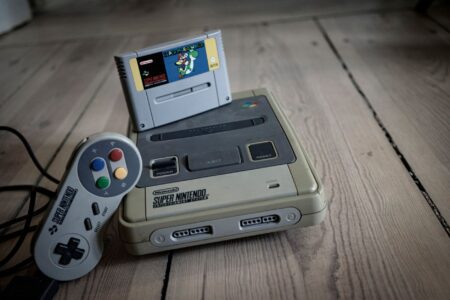



When a Game Soundtrack Beats the Charts
Donkey Kong Bananza has not even finished its commercial honeymoon period, and already its official soundtrack release is generating the kind of sales numbers that dedicated music artists spend entire album cycles chasing. The game launched on Nintendo Switch 2 to enormous commercial enthusiasm, and the music – composed for a platformer about a gorilla punching through terrain – is somehow moving units alongside it in a way the industry has rarely seen from a video game score.
What makes the Bananza situation worth examining is not just that the soundtrack is selling well. It is that it is reportedly outpacing several standalone music albums released in the same window, across digital storefronts where game music has historically been an afterthought. Nintendo released the soundtrack as a purchasable product on major platforms, and buyers showed up in a way that reframes how publishers should think about music as a revenue line, not just an atmospheric backdrop.
Nintendo’s Music Strategy Is Paying Off
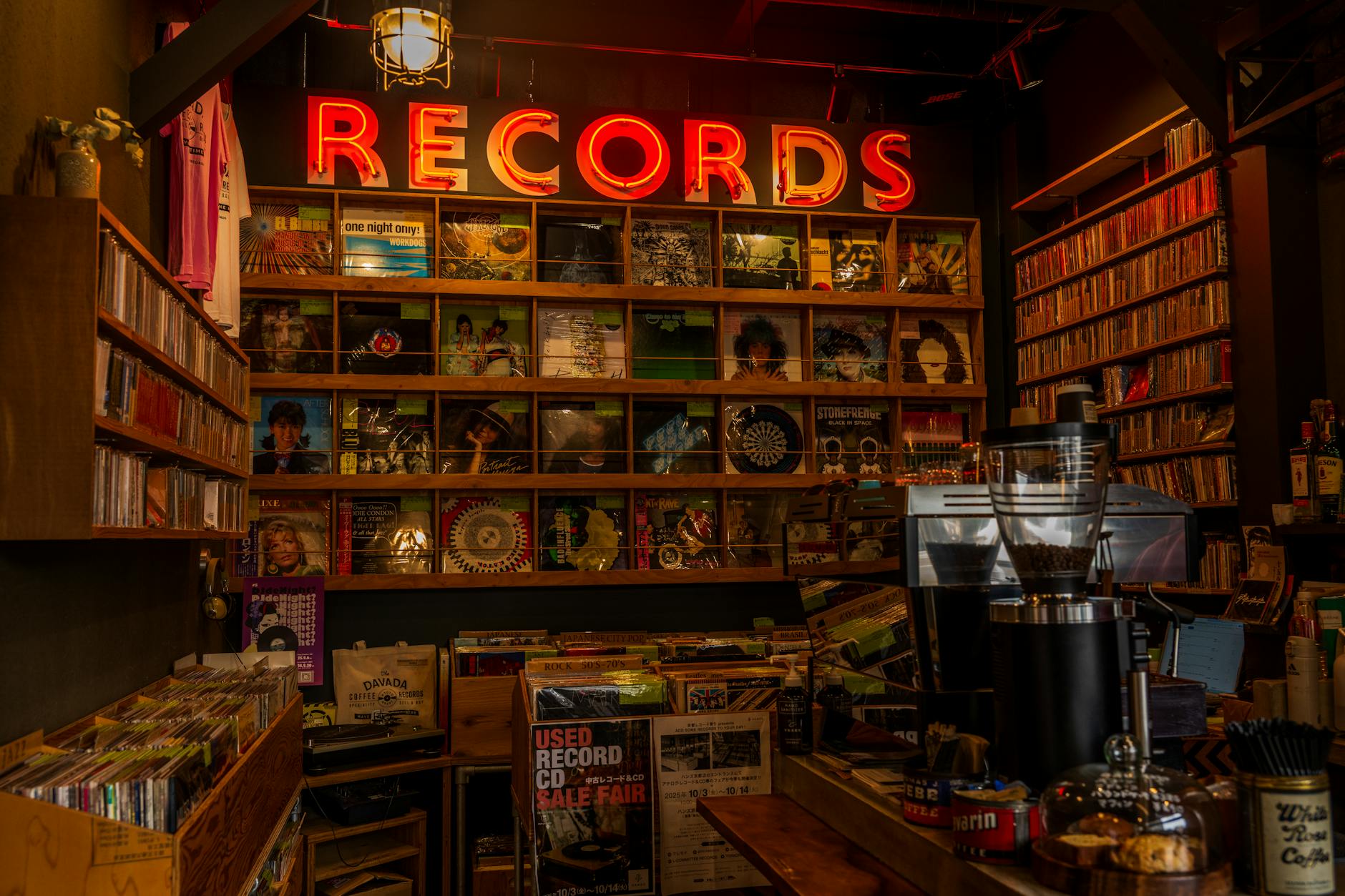
Nintendo has spent the last several years quietly building out its music monetization approach. The company launched Nintendo Music, its dedicated streaming app, in late 2024, giving subscribers access to curated game soundtracks as part of their Nintendo Switch Online membership. That move normalized the idea of Nintendo music as something worth listening to outside of gameplay – not background noise attached to a cartridge, but a catalog worth returning to. Bananza’s soundtrack is arriving in a market that Nintendo itself prepared.
The timing also benefits from the Switch 2 launch energy. Players who invested in new hardware are more emotionally primed to spend on the full ecosystem around a launch title. Buying the soundtrack is, for many, an extension of the same enthusiasm that drove them to pick up the console. That psychology – where a hardware purchase unlocks a kind of fandom spending spree – is one Nintendo has reliably activated with major releases, and Bananza appears to be one of the cleaner examples of it working across multiple product categories at once.

What the Sales Pattern Actually Tells Us
Game soundtracks outperforming traditional albums is not a random anomaly. The built-in audience for a major Nintendo title dwarfs the typical fanbase any mid-tier or even upper-mid-tier recording artist is working with on release week. When Donkey Kong Bananza ships millions of units globally, the pool of people who have a direct emotional connection to its music is enormous from day one. A musician releasing an independent or even major-label album is building that emotional connection from scratch.
There is also a nostalgia multiplier at work. Donkey Kong as a franchise carries decades of musical memory for players who grew up with the series. The Country games in particular left a lasting impression with their atmospheric and genre-mixing scores. Bananza benefits from that lineage – buyers are not just purchasing the new music, they are purchasing their relationship with the franchise.
The format matters too. Digital sales make impulse purchases frictionless. If a player finishes a level and a track is still looping in their head, buying the full soundtrack requires almost no additional effort. Traditional album marketing has to manufacture that kind of spontaneous desire over weeks of promotion cycles. The game delivers the desire automatically, embedded in the experience itself.
Where this gets complicated for the broader music industry is that the comparison is not entirely fair – game soundtracks are selling on the back of a separate, massive entertainment product. No one is suggesting video game composers are outworking pop artists. But the sales reality still creates a concrete argument that publishers and studios have been undervaluing their music catalogs for years. If Bananza’s score can move these numbers almost passively, what has been left on the table by companies that never bothered to formally release their soundtracks at all?
The Composer Question
One pressure point in the conversation around game music sales is how little of that revenue historically reaches the composers themselves. Work-for-hire arrangements have long been standard in game development, meaning composers often receive a flat fee and no royalties regardless of how the music performs commercially afterward. As soundtrack sales become a visible and measurable revenue stream – rather than a negligible ancillary product – that structure becomes harder to quietly maintain.
Nintendo has not publicly detailed how its composer agreements work for soundtrack retail revenue, and the company rarely comments on internal contract terms. But the visibility created by Bananza’s chart performance puts the question in sharper focus for the industry broadly.
Where the Industry Goes From Here
Publishers watching Bananza’s soundtrack numbers will almost certainly reconsider their own release strategies. Holding back game music or burying it in streaming-only deals starts to look like a missed opportunity when a single Nintendo title demonstrates this kind of commercial pull. Expect more formal soundtrack releases tied to major game launches in the next cycle, particularly from publishers with franchises that carry comparable brand loyalty.
The question for Nintendo specifically is whether this is a Bananza phenomenon or the beginning of a repeatable model. The company has other major releases planned – some of which already have beloved musical identities – and if the label treats those soundtracks with the same retail intentionality it gave Bananza, the music revenue line could become a meaningful part of how Nintendo talks about a game’s total commercial performance, not just a footnote beneath hardware and software unit counts.
What no one in the industry can easily replicate is the specific emotional gravity of a franchise like Donkey Kong arriving on new hardware with a full-throated commitment to spectacle. The music sold because the game sold, and the game sold because decades of accumulated affection for a character translated into day-one momentum. That is not a formula any publisher can manufacture – but the decision to make the music purchasable, visible, and available was deliberate, and that part absolutely can be copied.