

When a $70 Game Sells Like a System Launch
Donkey Kong Bananza launched at $70, the same price point that caused outrage when it first appeared on Nintendo Switch 2 software. And yet the game is selling. Strongly. That disconnect – between consumer anger at pricing and actual consumer behavior at checkout – is quietly reshaping how Nintendo and its retail partners read the Switch 2 market.
The tension was already building before Bananza hit shelves. Switch 2 hardware pre-order chaos set expectations that demand would be high, but it left open the question of whether players were buying into the hardware or bracing for a fight over software costs. Bananza is starting to answer that.
Price perception and purchasing behavior are two very different things.
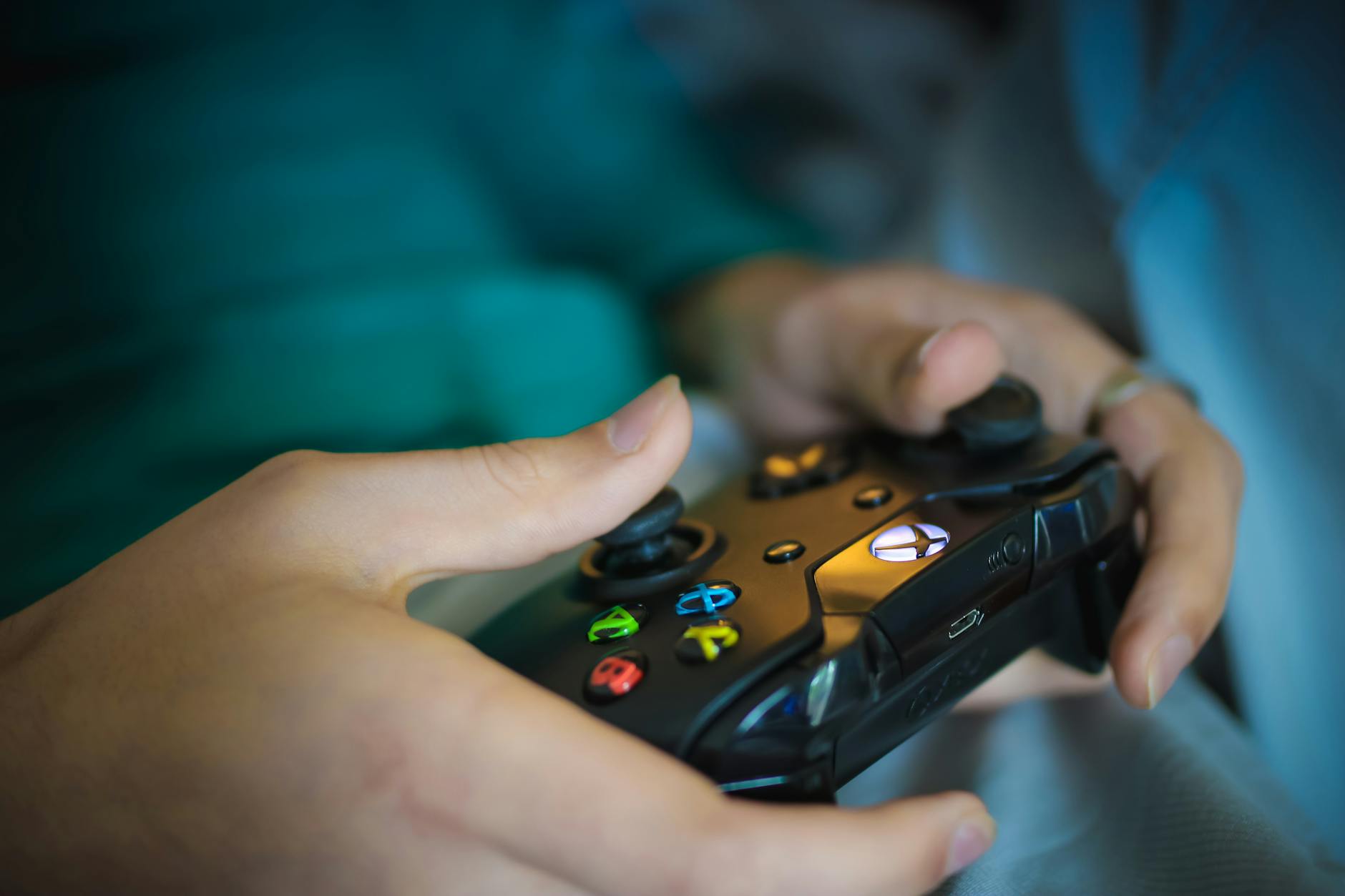
What Bananza’s Numbers Actually Signal
When a premium-priced first-party title moves at the pace Donkey Kong Bananza is moving, it tells Nintendo something specific: the $70 floor for flagship releases is holding. That doesn’t mean players are happy about it. Online forums and social channels are still full of frustration over the price increase from the previous generation’s standard. But frustration and refusal to buy are not the same response, and Nintendo’s internal metrics almost certainly separate the two.
There’s a practical logic to why Bananza performs despite the sticker shock. Nintendo’s first-party catalog has historically held its value and its audience better than most publishers. Players who waited years for a new Donkey Kong game are not going to skip it over $10-$15 more than they spent on Switch titles four years ago. That brand loyalty creates a pricing ceiling that Nintendo has clearly decided to test – and Bananza is the test case.
What’s more interesting is what this does to third-party publishers watching from the sidelines. If Nintendo’s own $70 titles are selling at pace, it removes any remaining argument that the price point is a barrier specific to non-Nintendo software on the platform. Publishers who were watching cautiously before committing to Switch 2 port pricing now have a data point they didn’t have three months ago.
The Perception Problem Isn’t Going Away
Strong sales don’t erase the underlying friction. A growing number of Switch 2 owners have been vocal about what they see as a value erosion – hardware at a higher entry price, accessories priced at a premium, and now software following the same upward pattern. That feeling compounds. A player who spent more on the console, more on a second controller, and more on a carrying case is arriving at Bananza’s price tag already primed to feel squeezed. Bananza selling well doesn’t mean those players felt good about the transaction.
Nintendo’s challenge going forward is that every successful $70 launch normalizes the price without necessarily neutralizing the resentment. The players who bought Bananza and loved it will buy the next major Nintendo title at $70 without much debate. But the players who passed – or bought it reluctantly – are building a quiet case for waiting, buying used, or holding off until sales. That second group is harder to track but potentially more consequential for the long-term health of the platform’s software attach rate.
There’s also a specific risk attached to mid-tier and experimental titles. Bananza carries the Donkey Kong name, has strong production values, and landed with positive reviews. It can support a $70 ask on brand recognition alone. The question is whether that same price holds for a newer IP, a shorter game, or a title without a legacy audience behind it. The pre-order demand that overwhelmed retail systems earlier this year reflected excitement for the hardware itself – not a blank check for every piece of software attached to it.
Nintendo’s Pricing Bet Is Working, For Now
Donkey Kong Bananza’s sales performance gives Nintendo exactly the internal justification it needs to hold the $70 line through the rest of 2025 and into whatever the holiday slate brings – but it also sets a consumer expectation that every $70 game will deliver at Bananza’s level, and that’s a standard Nintendo won’t always be able to meet.