



The Ending That Will Not Stop Talking
Donkey Kong Bananza does not end quietly. Its final act drops enough lore, character callbacks, and unresolved threads that players have been dissecting it for weeks – and what they are finding is hard to dismiss as coincidence.
What the Ending Actually Does
Without retreading every beat, the closing sequence of Bananza does something unusual for a Nintendo platformer: it introduces a narrative question it has no interest in answering before the credits roll. The antagonist’s motivation is left partially explained. A secondary character exits in a way that implies a return rather than a farewell. And the post-credits scene – brief as it is – plants a geographic detail that does not connect to anything else in the game’s world.
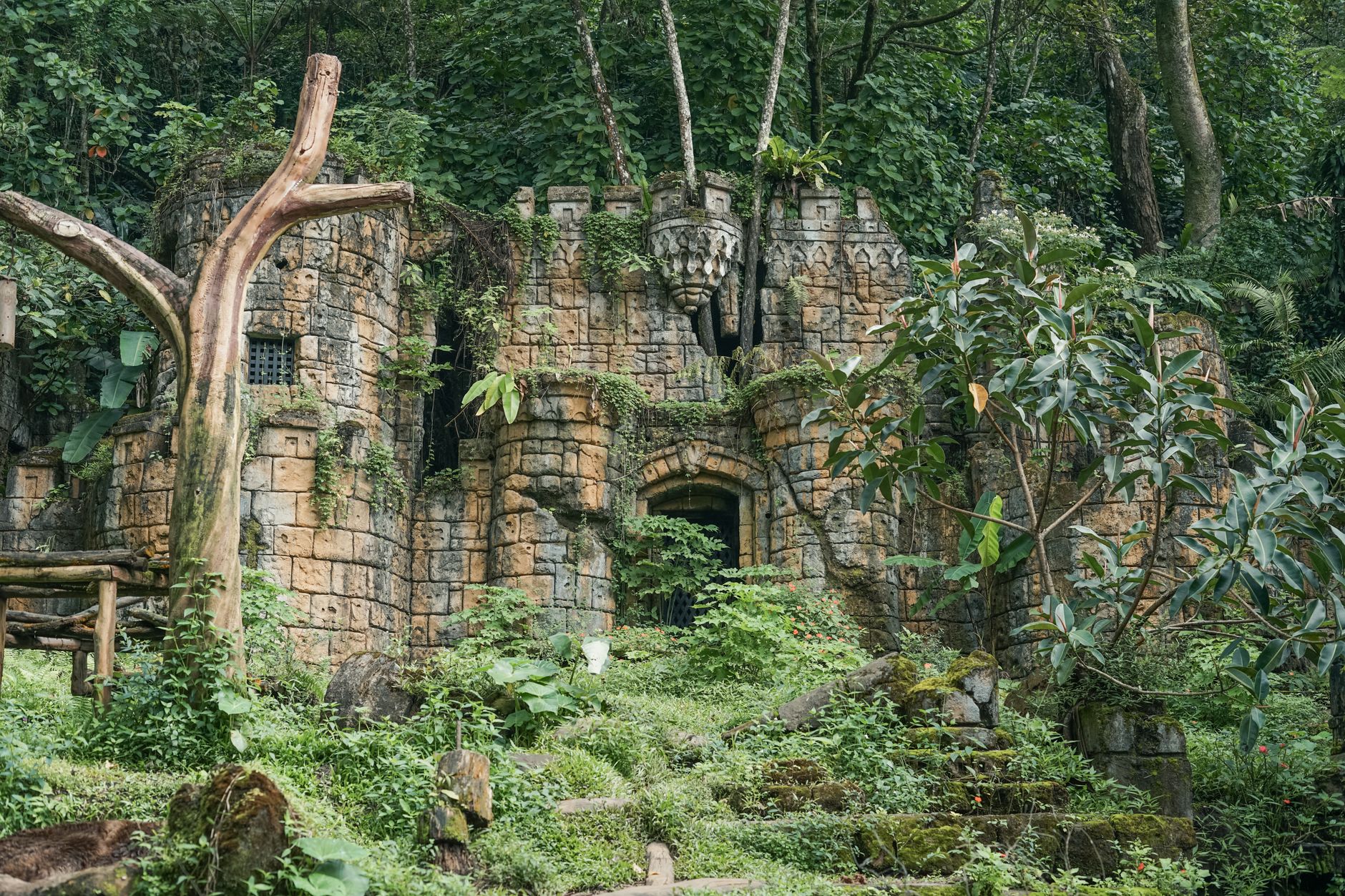
That last point is what has the community most animated. The visual in question shows a location that matches no biome from Bananza’s campaign. It is clearly rendered in the same art style, clearly within the same universe, and clearly meant to be noticed. Nintendo did not accidentally include a fully realized environmental establishing shot in a post-credits scene. That kind of asset takes time and intention to produce.
The character writing also does some heavy lifting. Bananza introduces at least two supporting figures whose arcs feel incomplete in a way that reads less like poor storytelling and more like deliberate setup. One of them, in particular, has a skill set that goes largely unexplored in the main campaign – as if the game is reserving something for later. Players who have finished the story and gone back to early chapters are reporting that certain pieces of dialogue read differently the second time, which suggests a layer of design that rewards returning attention.
Nintendo has not made any statement about a sequel, a DLC expansion, or additional story content. That silence is itself part of why speculation is running so hot right now.
Why This Pattern Has Players Paying Attention
Nintendo has a history of building franchise connective tissue into endings without announcing anything openly. The Pikmin series did something similar – Pikmin 4’s hidden ending reignited its own lore debates in much the same way, with a closing reveal that felt more like the start of something than a resolution. That instinct – seeding rather than closing – appears more than once across Nintendo’s recent output, and Bananza fits that mold.
What separates Bananza’s ending from standard sequel-bait is the specificity of what it teases. Vague “the adventure continues” imagery is easy to produce and easy to dismiss. What Bananza offers instead is concrete: a named artifact that appears in the post-credits scene without appearing anywhere in the campaign, and a piece of environmental storytelling that implies an entire region of the world has not yet been visited. You do not render a location you have no plans for. The production cost alone argues against it being decorative.
The fan community has been thorough. Forum threads have pulled apart the post-credits visuals frame by frame, cross-referenced the unnamed artifact with background details from mid-game cutscenes, and found at least two points where the item appears in the background of scenes set before it becomes narratively relevant. Whether that was intentional foreshadowing or a production continuity issue is genuinely unclear – but the pattern is there, and people are drawing conclusions from it.
There is also the question of what Bananza does not include. The game’s runtime is substantial, but certain characters introduced in the first half of the story drop out of the narrative without explanation. They do not die. They do not resolve their personal arcs. They simply stop appearing, which is a strange structural choice for a game that is otherwise careful about its pacing. Absence in a Nintendo title is sometimes just an editing decision. Other times, it is a reservation.
The commercial performance of Bananza makes the sequel question more than academic. A follow-up is financially viable, the world has clearly been designed with more geography in mind than was used, and the ending functions as an open door. The only missing piece is Nintendo walking through it.
What Would a Sequel Actually Need to Resolve

If a sequel does materialize, it inherits a specific list of obligations. The unnamed artifact needs an origin. The unvisited region needs to be playable. The supporting characters who exited early need to come back with some kind of explanation for where they went. None of these are impossible asks – they are, in fact, fairly tidy setups that a development team could build a full campaign around without starting from scratch narratively.
What is less certain is whether Nintendo intends any of this as a connected follow-up or whether it is building anthology-style, with shared aesthetics but self-contained stories. Bananza already borrows from older Donkey Kong mythology in ways that suggest the franchise’s history is being taken seriously again after years of dormancy. The ending’s open door could lead to a direct sequel, or it could simply be Nintendo’s way of saying the world is larger than one game – with no particular promise about when, or whether, anyone will explore the rest of it.