


The Couch Is Back
Nintendo has quietly done something that years of online multiplayer infrastructure could not: it made sitting next to another person feel necessary again. Donkey Kong Bananza, the physics-driven platformer released for Nintendo Switch 2, ships with a co-op mode that places a second player directly into the same screen, controlling Pauline as DK’s partner in destruction. It is not a tacked-on feature. The entire game’s design – the terrain deformation, the layered environments, the rhythm of exploration – works better with two people in the same room reading the same situation at the same time.
That distinction matters more than it sounds.
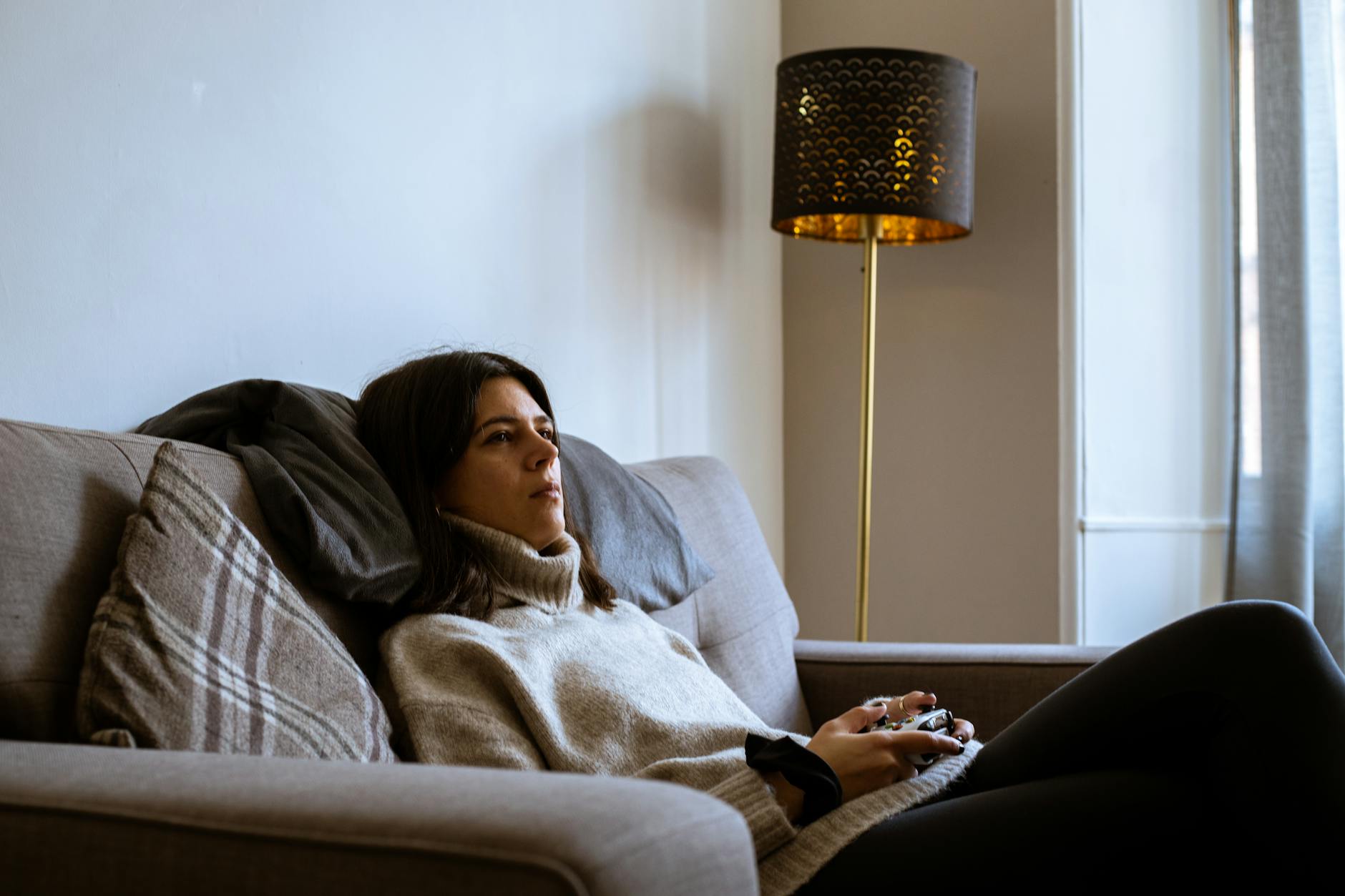
Online co-op has dominated the conversation around multiplayer gaming for the better part of two decades. The convenience is real: you can play with friends across time zones, schedule sessions around work, drop in without arranging anything. But that convenience came with a quiet cost. The shared physical experience of gaming – the shoulder nudge, the controller grab, the split-second argument about which tunnel to dig through first – got traded away for logistics. Bananza is not pretending online play does not exist. It simply built its co-op around the assumption that the best version of this game happens when both players are looking at the same screen.
How the Design Forces Collaboration
The mechanic at the center of Bananza‘s co-op appeal is terrain destruction. DK can punch, grab, and shatter virtually any surface in the game world, and those changes persist. Pauline, operating independently but tethered to the same environment, has her own abilities that interact with what DK has already broken apart. A wall DK demolishes becomes a ramp Pauline uses. A gap DK punches through a floor becomes a shortcut Pauline scouts. The result is a co-op loop where both players are constantly reacting to what the other has already done, which demands attention and communication that a voice chat delay would undermine.
Nintendo structured the game so that neither player can fully optimize their path without awareness of the other. Pauline’s singing abilities can stun enemies and clear areas, but DK needs to be in position to capitalize before the effect fades. DK’s brute-force approach to terrain opens routes that are useless without Pauline’s mobility to reach them first. Solo play works fine – the game handles Pauline as an AI companion – but the physical coordination required to make the two characters genuinely complement each other only emerges when two humans are making real-time decisions in the same space.
This is the architecture of couch co-op at its most intentional. The game does not just allow a second player; it builds scenarios where a second human brain, reacting in real time without lag, is the intended solution. Some of the later underground sequences are structured around simultaneous actions that would require near-perfect timing over voice chat but feel natural when you can simply tap your partner on the arm and count to three.
What This Is Doing to Living Rooms
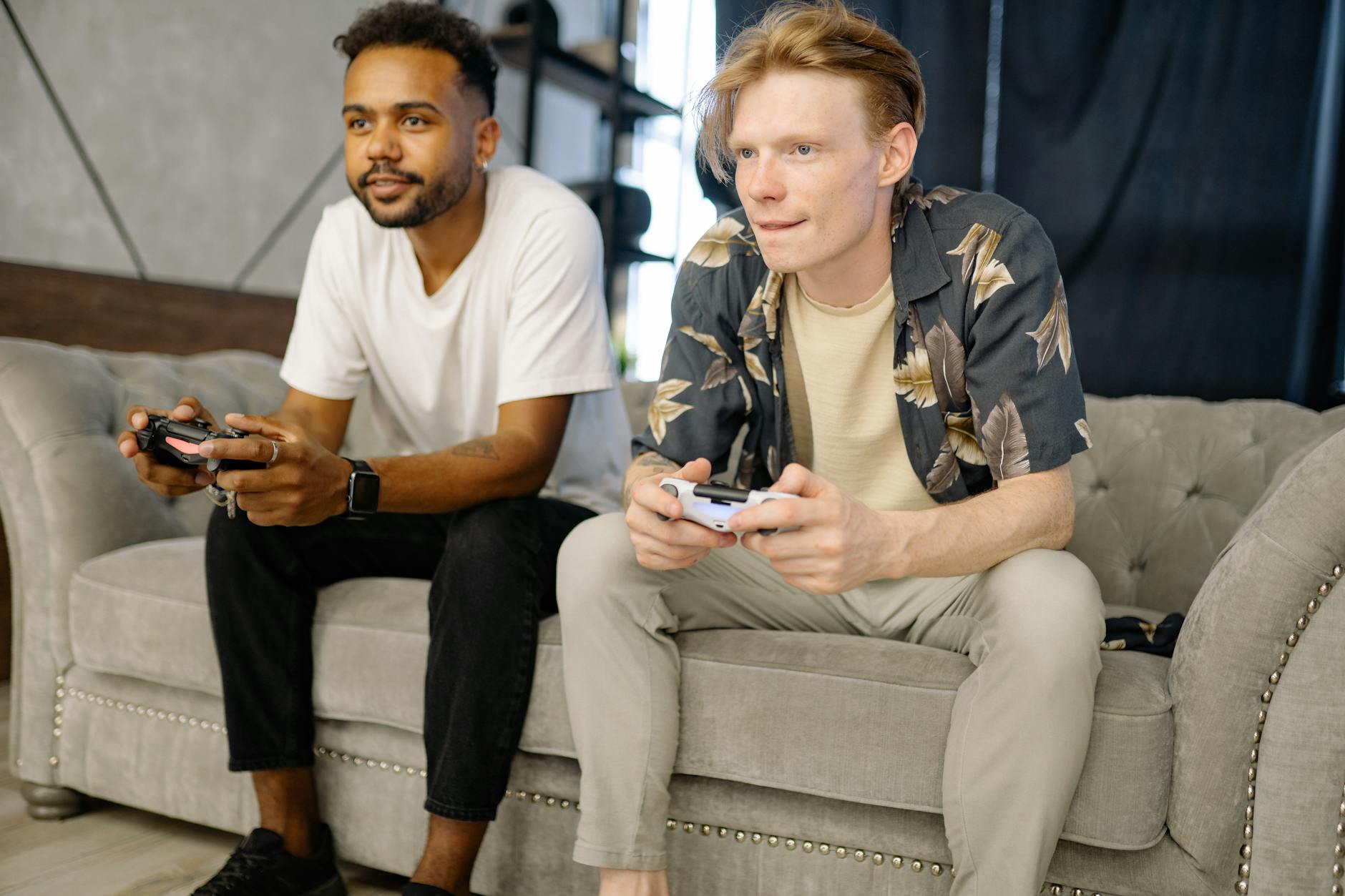
Reports from players on social platforms and Nintendo-focused forums show a pattern worth paying attention to: people are describing Bananza sessions in terms of who they played with rather than how long they played. Comments reference siblings, roommates, partners, and parents. One thread on a major gaming subreddit devolved into a long exchange about the best TV-to-couch distance for the Switch 2 dock setup. That is not the conversation online multiplayer generates. Online play produces leaderboards, session counts, win rates. Couch co-op produces stories.
The Switch 2’s hardware actually supports this shift in a way the original Switch could not fully deliver. The improved Joy-Con connectivity, the faster processing that keeps the destructible terrain rendering without frame drops, and the larger screen option when docked all make the two-player local experience noticeably cleaner. There is no lag between what one player does and what the other sees, which sounds basic but is the entire foundation of why local co-op feels different from online. Both players are inhabiting the same moment without any technical friction between them.
It is also worth placing Bananza alongside what Nintendo has been doing with its broader Switch 2 lineup. The platform launched with several titles that emphasize shared physical play, and Bananza sits at the premium end of that push – a full-length, fully realized game that happens to be most enjoyable when two people are in the same room. That positioning is deliberate. Nintendo has spent years watching the industry chase online infrastructure and has consistently bet that local multiplayer remains underserved. Bananza‘s co-op mode is the highest-stakes version of that bet yet. The game’s reception – and its cultural footprint extending beyond gameplay into music and merchandise – suggests the bet is paying off.
A Pattern Nintendo Knows Well
Nintendo revived kart racing as a living room ritual, made motion controls a family activity, and turned a simple block-building concept into a platform for shared creativity. The company’s track record with couch multiplayer is long enough that Bananza‘s co-op design does not look like luck – it looks like a studio that understands exactly which itch online gaming stopped scratching, and built a game specifically to scratch it again. The real question is whether other publishers are watching closely enough to follow, or whether they have committed so fully to online-first design that local co-op remains Nintendo’s territory by default.
Frequently Asked Questions
Does Donkey Kong Bananza support online co-op?
Bananza’s co-op mode is designed for local play, with a second player controlling Pauline on the same screen. Online co-op is not the focus of the feature.
Who does the second player control in Bananza’s co-op mode?
The second player controls Pauline, DK’s partner, whose abilities directly interact with the terrain DK destroys throughout the game.