


Captain Toad: Treasure Tracker launched in 2014 on Wii U, made its way to Switch and 3DS in 2018, and then… stopped. No sequel, no successor, no signal. For a character with a dedicated fanbase and a concept that practically designs itself for new hardware, the silence has stretched long enough to feel less like patience and more like abandonment.
A Spinoff That Earned More Than It Got
Captain Toad started as a bonus mode inside Super Mario 3D World – a set of isometric puzzle stages where the little guy couldn’t jump, couldn’t run, and had to navigate 3D diorama levels using pure environmental logic. Players rotated the camera, spotted hidden paths, and used the GamePad’s gyroscope to solve each compact stage. Nintendo saw enough potential to build a full game around the concept, and Treasure Tracker delivered something genuinely different from anything else in the Mario ecosystem.
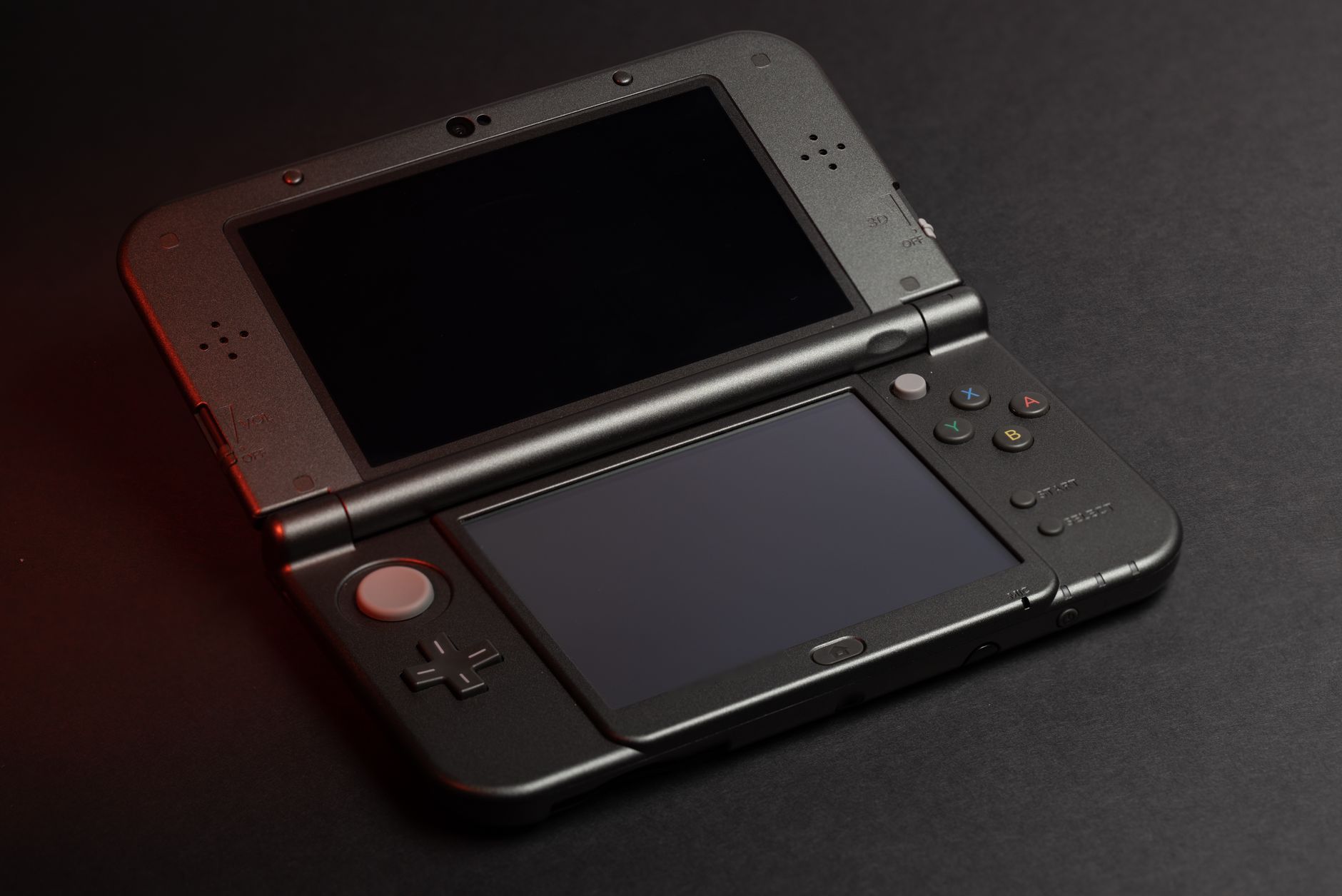
The game reviewed well, sold decently given the Wii U’s limited install base, and found a much wider audience when it came to Switch. The handheld version especially made sense – short, self-contained puzzle rooms fit perfectly into portable sessions. Nintendo had clearly identified an audience. The 3DS port came alongside the Switch version in 2018, timed to a Super Mario Odyssey crossover that added stages inspired by that game. That was the last major update the series received.
What made Treasure Tracker work as a concept is how little it needs to evolve in order to stay fresh. Each new stage is essentially a small box of environmental logic. More complex geometry, new obstacles, new interactive elements – any of those can produce a radically different experience without touching the core design. That kind of scalable creativity is exactly what Nintendo usually builds franchises around. Kirby gets entry after entry exploring variations on the same basic concept. Yoshi does the same. Captain Toad has been left parked.
The Switch’s library matured with puzzle experiences from other developers, and players looking for that Captain Toad-adjacent satisfaction found alternatives. That’s not a death sentence for the IP, but it does mean the character’s window of maximum cultural relevance has been sitting open for years without Nintendo walking through it.

Why Nintendo’s Silence Lands Differently Here
Nintendo doesn’t owe anyone a release schedule explanation, and the company is notoriously comfortable letting franchises sit dormant for long stretches. Advance Wars fans know this feeling intimately – years of quiet followed by a revival that itself got delayed and softened. But Captain Toad’s case carries a specific frustration because the series already demonstrated commercial viability on two platforms within the same hardware generation, and the Switch 2 is now here.
New hardware should theoretically be the moment Nintendo dusts off exactly this kind of IP. A puzzle game built around rotating dioramas and exploring three-dimensional space is made for high-fidelity visuals and refined controls. The Switch 2’s upgraded screen resolution, more responsive sticks, and additional processing power could make a sequel feel genuinely different from Treasure Tracker – not just prettier but spatially richer, with more ambitious level geometry. None of that requires reinventing anything. It just requires Nintendo to greenlight the project.
The character himself has stayed visible. Captain Toad appears in Mario Kart, shows up in merchandise, gets referenced in Nintendo’s broader marketing. He hasn’t been quietly retired or folded into obscurity. That visibility makes the absence of a new game stranger, not more understandable. Nintendo is happy to keep the brand alive but apparently unwilling to invest in its next chapter, which puts Captain Toad in a holding pattern that satisfies nobody.
There’s also the question of what spinoff patience actually costs Nintendo. Fans of a puzzle IP are not going to redirect their spending toward a different Nintendo franchise if Captain Toad doesn’t materialize. They’re more likely to fill that gap with third-party releases or simply stop expecting anything. Audience attrition in a niche genre is slow and quiet, but it’s real. A spinoff that keeps getting delayed or ignored doesn’t stay on people’s wish lists forever – it gradually drops out of the conversation entirely.
Treasure Tracker’s design team, led by Shinya Hiratake and Kosuke Yabuki, produced a polished product the first time around. Yabuki has since been heavily associated with Mario Kart, which may explain some of the resource allocation. But Nintendo runs multiple parallel development tracks, and “the director is busy” isn’t a ceiling that stops them from building teams around strong concepts. If the will were there, the path would be clear.
The Patience Calculation for Puzzle Fans
Puzzle game fans occupy a particular corner of Nintendo’s audience – they tend to be patient, completionist, and loyal to specific mechanics rather than spectacle. They’re not the crowd demanding the next open-world epic or a 60-hour RPG. They want something tightly designed, smartly authored, and ideally portable. Captain Toad fit that profile exactly, and the audience that responded to Treasure Tracker hasn’t gone anywhere. What’s wearing thin isn’t enthusiasm for the concept – it’s the growing sense that Nintendo doesn’t see a sequel as worth prioritizing.
A follow-up set in the Switch 2 era could do things Treasure Tracker never attempted – online co-op, user-created stages, a level editor with sharing capabilities. Any one of those additions would give the series legs beyond a single release. The bones of the concept are strong enough that the question isn’t whether a sequel could work, but whether Nintendo will bother before the window closes entirely. The longer the gap stretches, the more the answer to that question looks like a quiet no.