


When a Surprise Hit Becomes a Strategic Problem
Astro Bot did not just win awards at the end of 2024 – it swept them. Game of the Year at The Game Awards, multiple BAFTA nominations, near-universal critical acclaim. For a mascot platformer built to showcase PS5 hardware features, that level of recognition was not part of anyone’s plan. And that is exactly the problem.

The Weight of Winning Too Much
When Team Asobi released Astro Bot in September 2024, the expectation was warm reception, solid sales, and a comfortable spot in the mid-tier PlayStation catalog. The game was charming, technically sharp, and loaded with PlayStation history Easter eggs, but nobody inside Sony’s publishing apparatus was treating it as a potential GOTY contender. Marketing budgets reflected that. The launch window reflected that. The franchise planning certainly reflected that.
Now Sony finds itself sitting on a property that the entire industry has validated as its best output in years, and the roadmap for what comes next is notably absent. There is no announced sequel. No DLC. No expanded universe content. The silence after an award sweep of that scale is loud in a way that raises real questions about whether PlayStation’s internal planning is equipped to respond to its own unexpected successes.
The structural issue is that Team Asobi, while talented, is a small studio by Sony’s standards. Their previous work – Astro’s Playroom, which shipped as a pack-in with every PS5 – was a technical showcase as much as it was a game. Building on that into a full release was already a stretch goal. Building a full sequel to a Game of the Year winner, with all the expectations that now carries, is a different kind of project entirely. The studio would likely need to grow significantly, or Sony would need to rethink how much support it funnels toward first-party platformers.
Sony’s broader first-party strategy over the past several years has leaned heavily into cinematic, narrative-driven titles – the kinds of games that attract awards attention through their storytelling and production values. Astro Bot won by doing almost the opposite: pure mechanics, joy-focused design, a celebration of the medium’s history. That is not the type of game Sony has been building its publishing identity around, which may explain the gap between the game’s performance and the company’s apparent readiness to follow through on it.
Franchise Expectations vs. Studio Reality
The award sweep has created a specific kind of pressure that did not exist before December 2024. Before the wins, Astro Bot was a beloved game. After the wins, it is a flagship franchise, whether Sony intended that or not. Players and critics are now measuring whatever comes next against a bar set by the industry’s own recognition. That changes the development calculus completely.
A follow-up that arrives too quickly risks feeling like a cash grab on the goodwill the original earned. A follow-up that arrives too slowly risks the momentum dying entirely – particularly with the PlayStation 6 hardware cycle presumably approaching, which would demand a new showcase title anyway. The window for a sequel that feels both timely and worthy is narrower than it looks from the outside.
There is also the question of what a sequel actually does. Astro Bot worked in large part because it was a love letter to PlayStation’s history, filled with cameos and references that rewarded longtime fans. A sequel faces the classic problem of repeating a concept that worked precisely because it felt fresh. More robot cameos, more DualSense tech demos – at some point that formula stops being a celebration and starts being a formula. Team Asobi would need a genuinely new creative angle, not just more of the same with higher production values.
Sony’s silence on the matter suggests internal discussions are ongoing, but no clear direction has been committed to publicly. That is not unusual for early-stage development, but it does underscore that the company was not positioned to announce “Astro Bot 2 is in development” in the weeks after the GOTY win, which would have been the obvious marketing move if the sequel were already in motion.
What makes the situation genuinely complicated – rather than simply a happy problem to solve – is that PlayStation’s award-season credibility is now partly tied to whether it can sustain what Astro Bot represented. A mishandled follow-up does not just disappoint fans; it retroactively colors the perception of the original as a one-time accident rather than a creative capability Sony can replicate. That reputational stakes question is hanging over every meeting about what Team Asobi does next.
The Platform Story PlayStation Still Needs to Tell
One layer underneath all of this is that PlayStation has historically struggled to maintain a genuine mascot. The company has cycled through platformer icons over the decades, but none have achieved the kind of sustained cultural presence that Mario holds for Nintendo. Astro Bot winning GOTY handed Sony a legitimate opening to close that gap. Whether they move fast enough to use it is the real question.
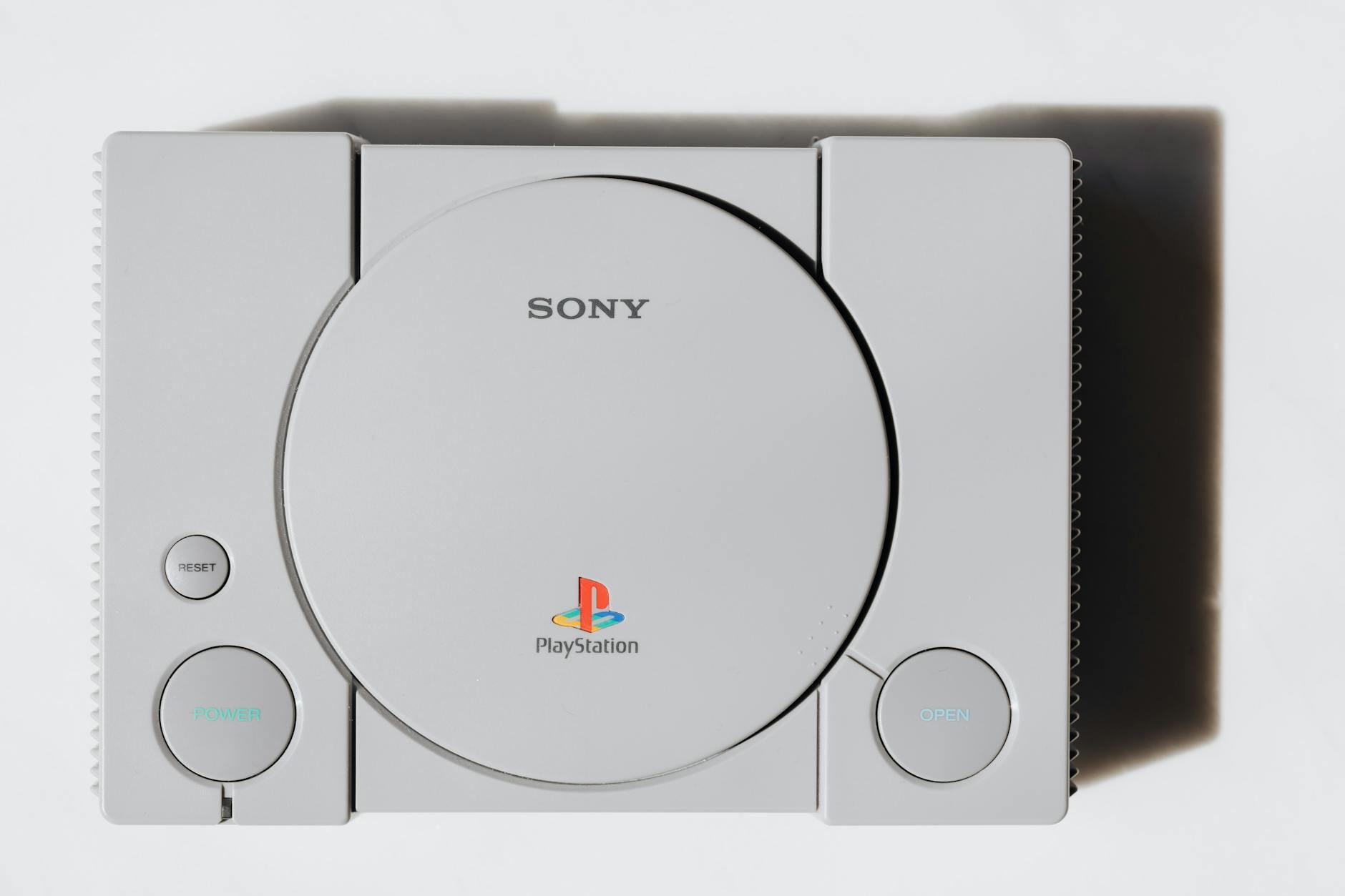
The irony is that Nintendo built its platform identity over decades precisely by treating its mascot titles as the center of the roadmap, not the periphery. Sony’s opposite instinct – to lead with prestige narrative games and use platformers as hardware showcases – is what made Astro Bot’s win feel like an accident rather than a strategy. The award did not change that instinct overnight. And without a structural shift in how Sony prioritizes these projects internally, the sequel, whenever it arrives, will probably be built under the same mid-tier pressure as the original was.