
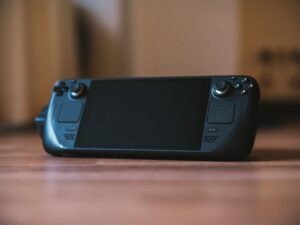



When a publisher sells its biggest racing game on the platform of its fiercest rival, what was the word “exclusive” protecting? Xbox is answering that question in public, one release at a time, and the answers are not tidy.
For two decades, the console exclusive worked as a simple promise: buy this box and you get games no one else can play. Sony built its identity on that promise through its first-party studios, and Nintendo still does. Microsoft once ran on it too, with Halo, Gears of War and Forza serving as the reasons to pick a green-logo console over a rival. Now Microsoft is releasing those franchises, or has confirmed plans to, on PlayStation, with a few smaller titles also landing on Switch. That does not simply loosen a rule. It forces a rewrite of what the rule was for.
How the Walls Came Down
The first public signal came in a February 2024 business update, when Xbox said Sea of Thieves, Pentiment, Hi-Fi Rush and Grounded would head to other platforms. At the time it read like a controlled experiment. The chosen games were low-risk: a live-service pirate adventure and a handful of cult favorites, none of which anchored the Xbox brand the way a mainline Halo does. Most players treated it as a limited carve-out rather than a change in direction.
The carve-out did not stay small. Indiana Jones and the Great Circle made its way to PlayStation 5 after launching on Xbox and PC. Doom: The Dark Ages shipped on PlayStation 5 on day one, with no waiting period at all. Forza Horizon 5 and Gears of War: Reloaded followed on Sony’s hardware, and Halo: Campaign Evolved has been confirmed for PlayStation 5 as well. That last one carries symbolic weight, because Halo was the franchise that gave the original Xbox its reason to exist. Call of Duty, meanwhile, has been a fixture on every major platform since Microsoft closed its Activision Blizzard acquisition, which left the company with a very large multiplatform business under its roof before the strategy had a name.
The financial logic is not hard to reconstruct. Budgets for top-tier releases have grown to the point where a single platform’s install base is a narrow audience to ask for a return, and PlayStation consoles have outsold Xbox hardware across several generations. Keeping a finished game off the larger audience means leaving money on the table, and publishers with shareholders tend to notice that. Microsoft can still sell the game on its own storefront, on PC and through its subscription, while adding a second revenue stream that costs comparatively little to open.

What Xbox Still Keeps for Itself
The thing Microsoft is steering toward is exclusivity to a service rather than a machine. Day-one availability in Game Pass, Play Anywhere support across console and PC, and a unified storefront all stay tied to Xbox accounts, and those are the places where a first-party release still behaves like a perk of membership. Hardware has become one doorway among several, and the budget-priced Xbox Series S remains the cheapest way into that doorway for players who want a dedicated box.
Timing is the other lever. Several of the PlayStation versions arrived well after their Xbox and PC debuts, which turns the old permanent wall into a window. A window is a softer product, but it is still a product: players who want a game at launch, or want it bundled into a subscription they already pay for, have a reason to stay put. Whether that reason is strong enough to sell consoles is a separate question from whether it is strong enough to sell memberships.
An Exclusive Becomes a Schedule
The word is splitting into at least three meanings. There is the contractual exclusive, where a game is locked to one platform by agreement, the kind Xbox still holds on some third-party deals. There is the timed exclusive, where a first-party game spends months or years on Microsoft’s platforms before moving on. And there is the ecosystem exclusive, where the game technically exists elsewhere but the best version, the cheapest access or the earliest access lives inside Microsoft’s own accounts and subscription. Each of these treats the player differently, and Xbox is now operating in all three at once without always saying which one applies to a given release.
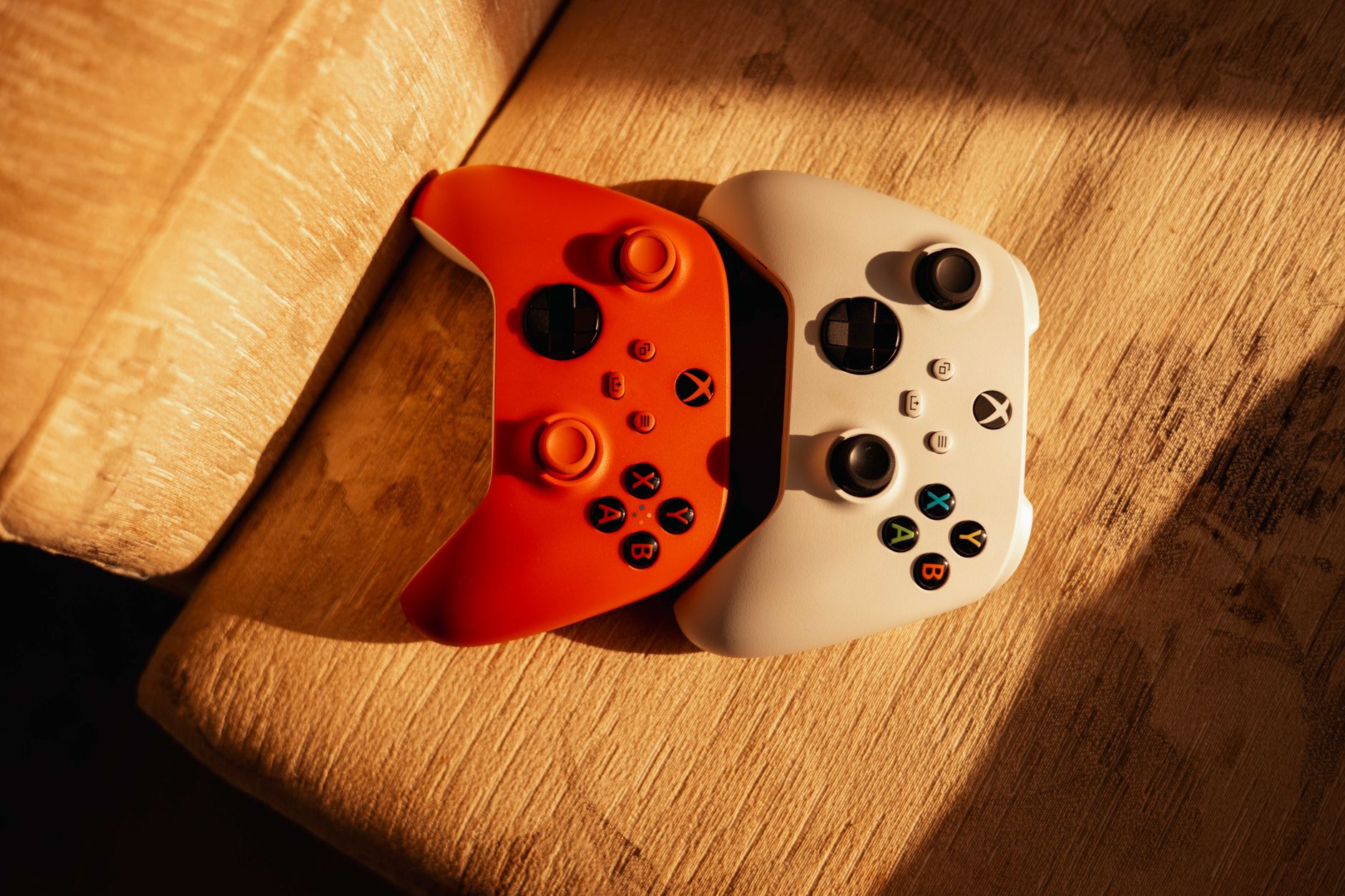
The cost lands on the people who bought into the old promise. Someone who picked an Xbox Series X specifically to play Halo and Gears now watches those games become available to friends on a different console, which weakens the argument for owning the hardware in the first place. The counterargument is that those players still get the games first, still get them through Game Pass, and still carry their libraries across PC. That is a defensible trade, but it asks fans to value convenience and access over scarcity, and scarcity is what exclusives were selling.
There is a precedent on the other side of the aisle. Sony’s PC ports of its first-party games arrive well after the console versions, and the PlayStation brand has not collapsed under it.
That precedent only goes so far, because Sony still has the install base and the identity that make a delay feel like a reward rather than a retreat. Xbox is making the same move from a weaker hardware position, which means its version of the window has to justify the hardware without leaning on a huge installed audience. If the brand ends up meaning a subscription, a storefront and a Windows-based handheld rather than a console you have to own to play the best games, the box itself becomes optional, and optional hardware is a hard thing to sell at full price. Halo, the series that once justified the original Xbox, is now being rebuilt for PlayStation 5. If that does not settle what an exclusive is, what would?