



Several years after the Steam Deck shipped, the knock on its competitors hasn’t changed: they cost more and run out of power sooner.
The Price Gap Nobody Has Closed
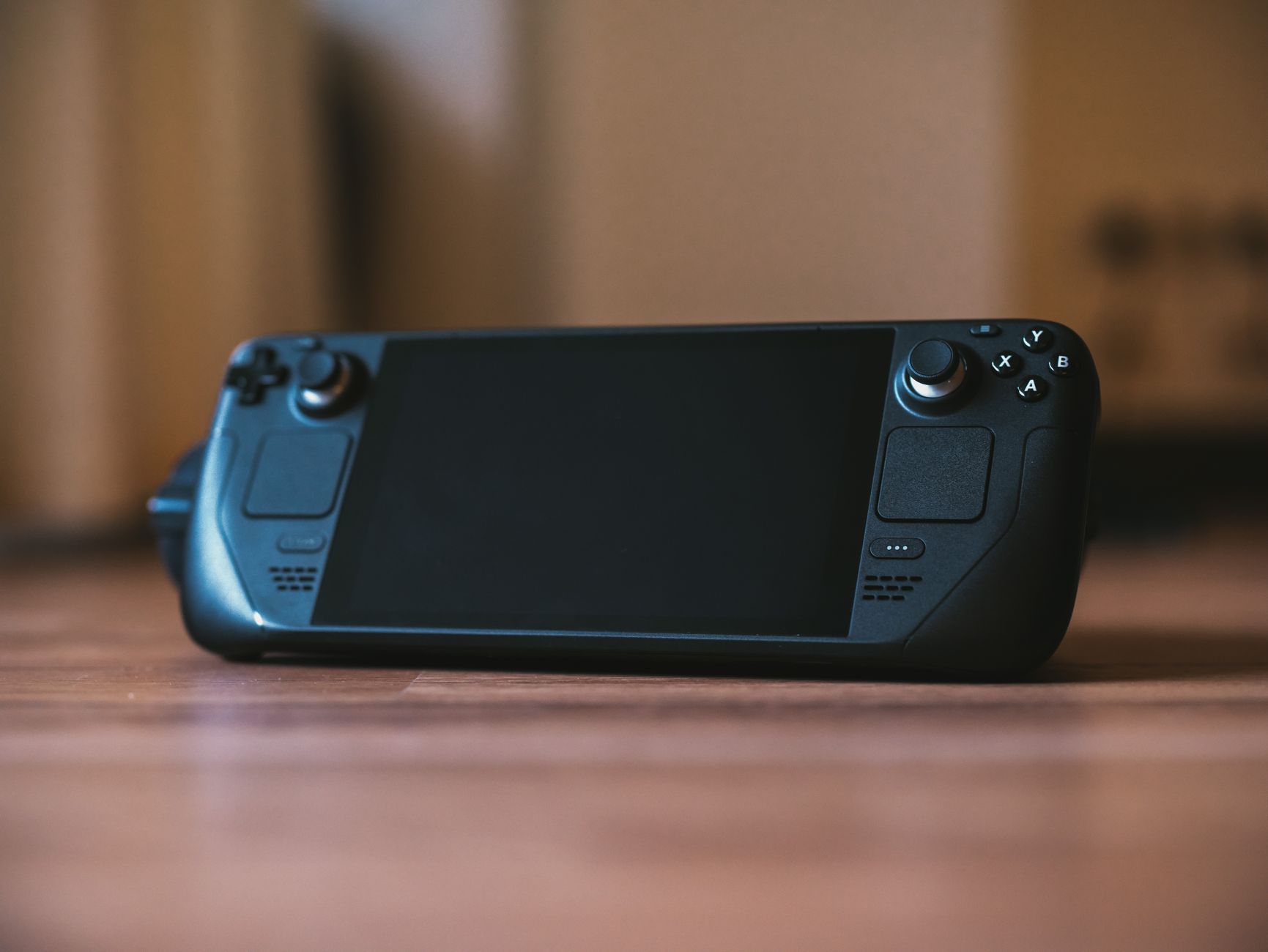
Valve set the anchor early. The original Steam Deck launched at $399 for its entry configuration, and the OLED model now sits at $549. The ASUS ROG Ally and Lenovo Legion Go both arrived at $699, and the ROG Ally X later pushed to $799. Rivals do offer faster silicon and, in some cases, bigger screens. But a gap of $150 to $250 is hard to justify to a buyer whose main goal is playing a backlog of PC games on a couch.
The reason Valve can hold that line is structural. It runs the largest PC storefront, so every Deck sold is also a customer who will likely buy games through Steam and pay Valve its cut of those sales. ASUS, Lenovo and MSI have no equivalent revenue stream. Their handhelds have to earn a margin on the hardware itself, which means the sticker price carries the full weight of the business case.
Software costs add to the problem. SteamOS is free to Valve, while Windows handhelds carry a license fee that gets folded into the price. Valve also worked with AMD on a custom chip designed around one device with one power envelope. Competitors mostly pick from AMD’s or Intel’s existing mobile lineup, which are chips built for a range of products and priced accordingly.
The clearest sign that manufacturers understand all this is the Legion Go S. Lenovo sold a SteamOS configuration at a meaningfully lower price than the Windows version of the same hardware. The gap between the two tags is roughly the cost of doing things Valve’s way, and buyers noticed.
Battery Life Is Where Windows Handhelds Pay the Tax
Raw battery capacity is the easy part of the comparison. The Steam Deck OLED carries a 50Wh pack, and early Windows rivals shipped with batteries in a similar range. When ASUS jumped to an 80Wh cell with the ROG Ally X, runtimes improved noticeably, and it showed that the first generation had been starved of capacity. Still, a larger battery is a bandage rather than a cure.
The deeper issue is software. SteamOS is a lean Linux-based system tuned for one job, launching and running games with a minimal background load. Windows was built for desktops and laptops, so it brings background services, update processes, launcher overlays and a desktop interface that was never designed for a 7-inch touchscreen. Each of these takes a small slice of power, and on a device running at 10 to 15 watts, small slices add up quickly.
Real-world use makes the difference plain. A lightweight indie game or an older title can run for hours on a Deck because the system can drop its power draw low and stay there. A demanding modern release at high wattage will drain almost any handheld in under two hours, no matter what logo is on the shell. Rivals tend to run hotter chips at higher power limits, which wins benchmark charts when plugged in but shortens sessions away from an outlet. A bigger battery also adds weight and cost, so the fix compounds the other two problems rather than solving them.
Then there is sleep and resume. Press the power button on a Deck and it behaves like a console, pausing instantly and waking where it left off. Windows handhelds have historically been less predictable, with some waking slowly, some draining in standby and a few failing to wake cleanly.
Intel’s Lunar Lake chips, used in newer MSI Claw models, showed that efficient silicon can narrow the gap. The Claw line also showed the cost of that approach, since those models are priced well north of anything Valve sells.
What Rivals Can Still Try
The most promising answers attack the software layer instead of the battery. Microsoft’s push toward a console-style full-screen interface on Windows handhelds, tied to the ROG Xbox Ally hardware, is an attempt to strip away the desktop overhead that hurts both battery life and usability. Lenovo’s decision to offer SteamOS on the Legion Go S suggests Valve’s operating system may become the shared foundation for competing hardware, which would leave the rivals competing on screens, ergonomics and build quality.

None of that changes the economics underneath. Valve doesn’t appear to be in a hurry to replace the Deck, and the OLED model’s price has stayed put while rivals keep adding features and cost. If a competitor finally matches Valve on both price and runtime, will it be because it built a better handheld, or because it borrowed Valve’s software to get there?
Frequently Asked Questions
Why is the Steam Deck cheaper than other gaming handhelds?
Valve earns revenue from Steam game sales, so it can price hardware more aggressively than rivals that rely on device margins. SteamOS is also free to Valve, while Windows handhelds carry license costs.
Why do Windows handhelds have worse battery life than the Steam Deck?
Windows carries more background processes and a desktop interface not built for handheld use, which adds power draw. Rivals also tend to run chips at higher power limits.
Can other handhelds run SteamOS?
Yes. Lenovo’s Legion Go S offered a SteamOS configuration, priced below its Windows counterpart.