


The Wait That Is Starting to Feel Intentional
It has been over two years since The Legend of Zelda: Tears of the Kingdom launched to near-universal acclaim, and Nintendo still has not said a word about paid downloadable content. No trailer, no tease, no official acknowledgment that any expansion is even being considered. For players who have already logged hundreds of hours building contraptions in Hyrule, that silence is fine – expected, even. But for a specific group of holdouts who never finished Breath of the Wild‘s DLC before moving on, the extended quiet around Tears of the Kingdom has become its own kind of deterrent.
The logic is not complicated. Players who skipped Breath of the Wild‘s expansion pass – or bought it but never completed the Trial of the Sword, never found all the travel medallions – have been sitting on unfinished business for years. Some assumed they would circle back before Tears of the Kingdom released. Many did not. Now, with no DLC announcement in sight for the sequel, a portion of those players are using the wait as a reason to stay put, reluctant to fully commit to Tears when they feel like they still owe Breath of the Wild their attention.

Why Breath of the Wild Still Has a Hold on People
Breath of the Wild‘s DLC was not universally beloved, but it did add content that demanded real engagement. The Trial of the Sword stripped players of all equipment and forced them through wave after wave of combat encounters to fully power up the Master Sword. The Champions’ Ballad added a new Divine Beast-style dungeon, new cutscenes expanding the backstory of the four Champions, and a story conclusion that felt like genuine closure for the game’s central relationships. For players who cared about the lore, that content was not optional flavor – it was the part of the story they had been waiting to see.
When those players moved on to Tears of the Kingdom without completing it, many found themselves emotionally out of sync. Tears references the events and characters of its predecessor constantly, and the Champions’ heirs play a prominent role in the new game’s main story. Playing Tears without finishing Breath of the Wild‘s DLC creates a specific kind of narrative gap – not unplayable, but noticeable. It is the equivalent of jumping to a TV show’s third season while knowing there is a finale you skipped in season two. The impulse to go back becomes a quiet, nagging thing that does not go away.

Nintendo’s Silence as an Unintentional Pressure Release
Normally, a lack of DLC news for a game this successful would read as a disappointment or a strategic miss. Tears of the Kingdom sold extraordinarily well by any measure, and the appetite for more Hyrule content has never been in question. But for the holdout crowd, Nintendo’s silence has had an unexpected side effect: it removes urgency. If no expansion is coming tomorrow – or next month, or apparently anytime soon – then there is no deadline pressure to get caught up. The clock is not ticking. That absence of pressure has given some players permission to return to Breath of the Wild properly, finishing what they started before committing to the sequel.
This is not a small behavioral pattern. Gaming forums and social media threads are full of players announcing exactly this plan – using the Tears of the Kingdom DLC wait as motivation to finally complete Breath of the Wild properly. The sentiment is consistent: “if there’s nothing new coming for Tears, I might as well go back and actually finish Breath.” It is a kind of productive procrastination, where the absence of new content in one game redirects attention and investment toward an older one.
Nintendo has historically been deliberate about the spacing between major content drops. The original Breath of the Wild expansion pass was announced just months after the game’s launch, with the first DLC pack arriving in mid-2017 and the second at the end of that same year. The company set expectations early and delivered on a clear timeline. Tears of the Kingdom has followed no such pattern, and the further out from launch the game gets without an announcement, the more plausible it becomes that paid DLC simply is not coming at all – at least not in the traditional sense.
That possibility has its own effect on player behavior. If Tears is going to remain a standalone experience, then the gap between it and Breath of the Wild becomes permanent rather than temporary. Some players who have been waiting to buy into Tears fully are now considering whether their energy is better spent deepening their experience in the original rather than banking on the sequel being expanded. It is an unusual position for Nintendo to be in: a non-announcement functionally shaping how people engage with two different games simultaneously.
The Switch 2 Factor
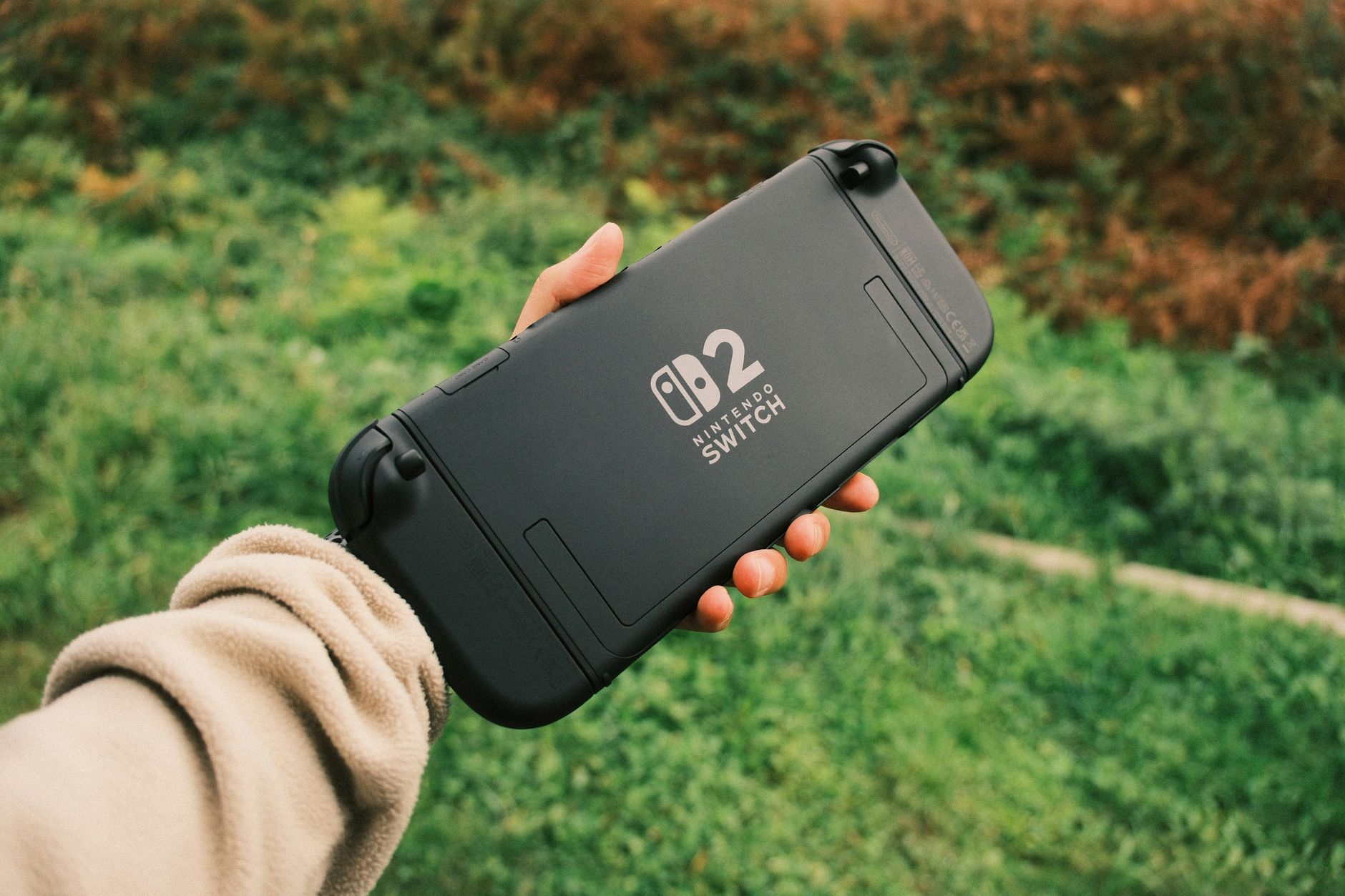
The Switch 2’s arrival complicates this further. With Nintendo’s attention clearly split between supporting new hardware and managing legacy titles, Tears of the Kingdom DLC – if it exists in any form – would need to address which platform it targets, how it handles the Switch 2’s enhanced capabilities, and whether existing Switch owners feel left behind. These are not small decisions, and they provide a plausible explanation for why Nintendo has said nothing. Announcing DLC that only works on the newer hardware would be a public relations problem. Announcing DLC that ignores the Switch 2’s capabilities would feel like a missed opportunity. Saying nothing avoids both problems indefinitely.
There is also the question of what comes next for the Zelda series on Switch 2 entirely. Fans and industry watchers have been speculating about a new mainline Zelda title built natively for the new hardware, and if that project is already deep in development, it may explain why Nintendo sees less value in extending Tears of the Kingdom‘s commercial life through expansion content. Why build out an older title when the next entry can carry that energy forward?
What Holdouts Are Actually Waiting For
The holdout phenomenon reveals something worth paying attention to about how players relate to open-world games that carry story weight. Breath of the Wild and Tears of the Kingdom are connected in ways that go beyond shared geography. Characters return, relationships continue, and emotional callbacks require context. Players who care about that dimension of the games are not willing to treat them as interchangeable experiences – they want to engage with both in sequence, properly, and the absence of any time pressure from Tears DLC gives them the runway to do that.
For Nintendo, the irony is that a DLC announcement for Tears of the Kingdom might actually pull some of these players away from Breath of the Wild before they are done with it. The silence, deliberately or not, is keeping a segment of the audience engaged with older content and invested in the broader world. Whether that is good long-term strategy or simply a gap waiting to be filled depends entirely on what Nintendo announces next – and when.