


A Built-In Rival Discord Did Not See Coming
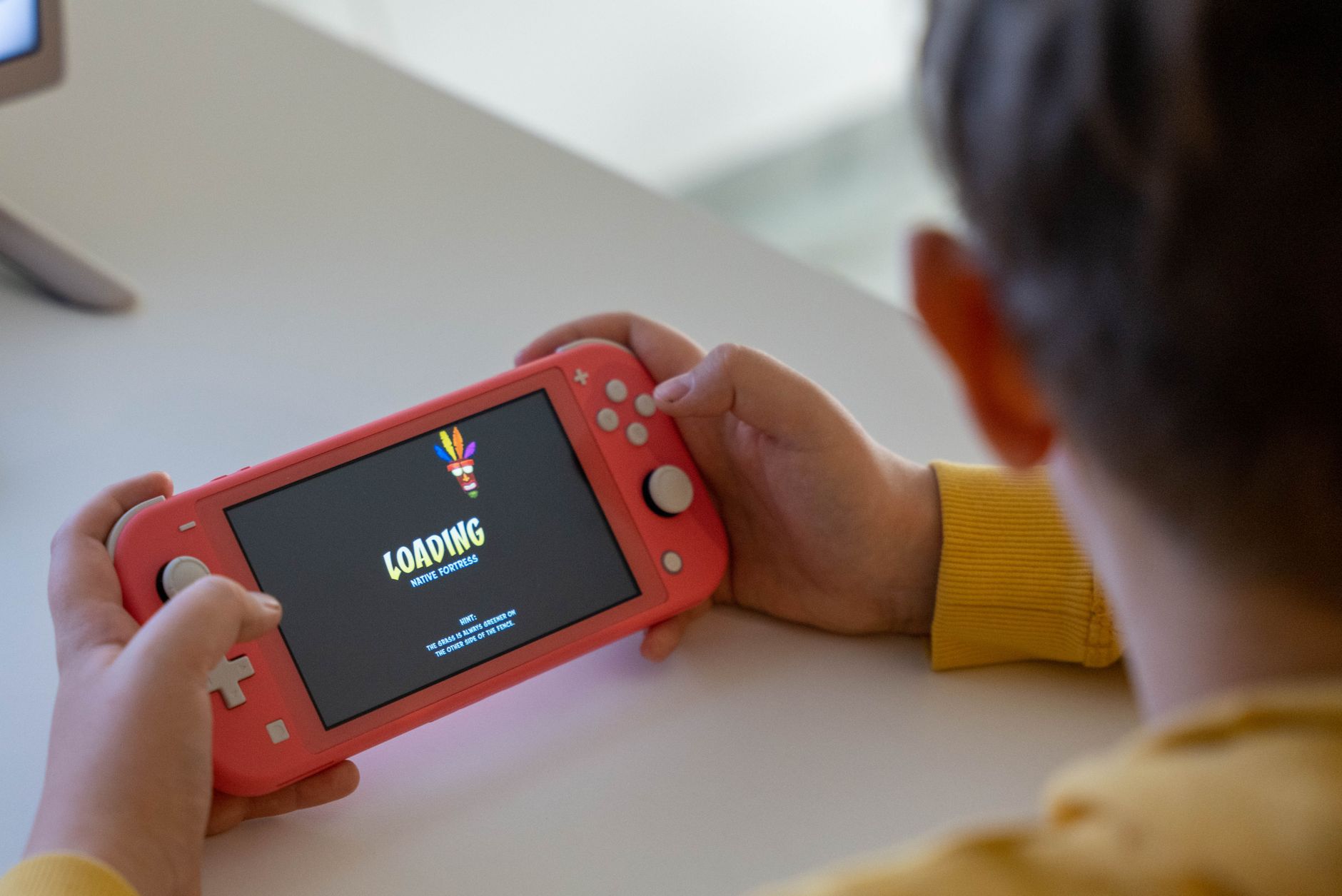
Nintendo’s GameChat feature on the Switch 2 is not just a voice communication tool. It is a direct challenge to the third-party apps that have quietly become the default social layer for handheld gaming over the past several years. Discord, in particular, built a loyal base among Switch owners precisely because Nintendo’s original hardware offered nothing comparable – no persistent voice chat, no overlays, no community tools. That gap is now closing, and the fallout is already visible in how handheld gaming communities are organizing themselves.
GameChat arrives with screen-sharing support, voice chat tethered directly to gameplay sessions, and a user interface designed to feel native to the Switch 2 experience rather than bolted on as an afterthought. For casual players who never bothered setting up a separate Discord server just to talk through a Mario Kart lobby, this is genuinely convenient. But for the communities that already invested years building Discord infrastructure around Nintendo games, the new feature introduces an uncomfortable question: do you rebuild on Nintendo’s terms, or stay where you are and risk splitting your audience in two?
How Discord Filled the Gap Nintendo Left Open
The original Switch launched in 2017 with a voice chat solution so cumbersome – routing audio through a smartphone app using a proprietary dongle – that most players simply ignored it. Discord stepped in and offered something that worked, was free, and was already familiar to a generation of PC gamers. Nintendo Switch communities on Discord grew rapidly, not because players preferred a separate app, but because there was no real alternative. Server owners built role systems, scheduled game nights, ran tournaments, and developed a level of community depth that Nintendo’s own online infrastructure never supported.
Discord also benefited from being platform-agnostic. A player could maintain one server for friends who owned a Switch, a PlayStation, and a gaming PC, with conversations and communities flowing across all of them regardless of hardware. That flexibility made Discord feel less like a workaround and more like a permanent social home. Nintendo’s GameChat, by contrast, is locked to the Switch 2 ecosystem. You cannot use it to coordinate with friends on other platforms, and you cannot carry your community history into it from somewhere else.
That limitation matters more than it might initially seem. Many Switch players are not exclusive Nintendo fans – they are multi-platform households where the Switch lives alongside other consoles. Discord’s strength was always that it sat above the hardware layer entirely. GameChat lives below it, inside one specific device, and that is both its appeal and its ceiling.
The Audience Split Is Already Happening
Within weeks of the Switch 2’s launch, a pattern started appearing across gaming communities: session coordination fragmenting between Discord and GameChat depending on who was available and on what hardware. Players with the new console gravitating toward GameChat for its convenience, while friends still on the original Switch or other platforms staying on Discord by necessity. Neither group is wrong, but the result is that no single tool covers everyone, and community managers are increasingly choosing which audience to prioritize.
This kind of fragmentation tends to accelerate once it starts. If the majority of a friend group upgrades to the Switch 2, the social gravity shifts toward GameChat and Discord usage drops for that circle. If only some upgrade, both tools stay in rotation indefinitely, creating coordination friction that nobody signed up for. Nintendo has historically struggled to build social features that keep pace with player expectations, but GameChat is the first attempt that is good enough to actually divide loyalties rather than simply being ignored.
What Nintendo Gets Right – and What It Still Misses
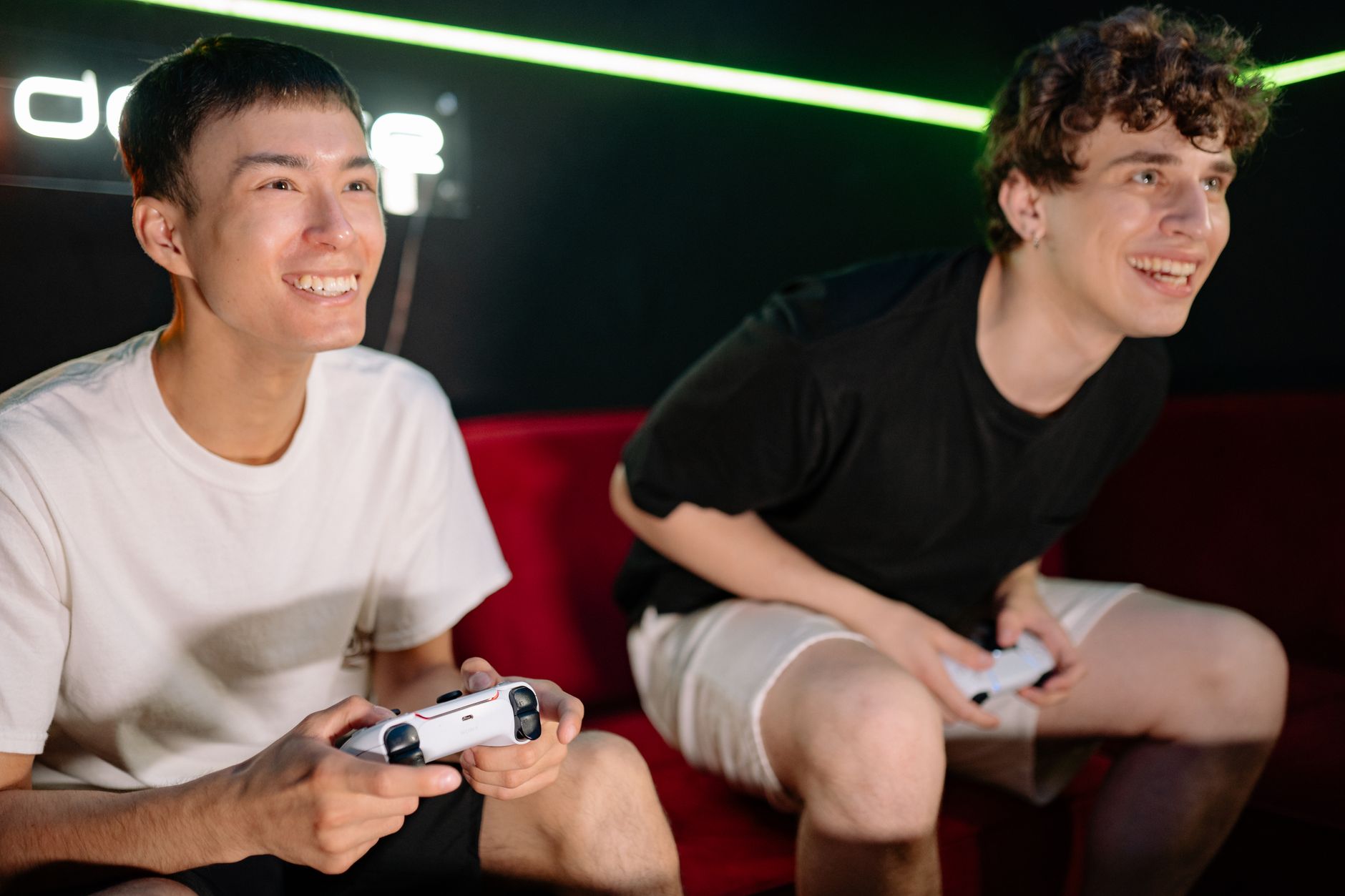
GameChat’s screen-sharing capability is the feature that most directly threatens Discord’s hold on handheld players. Being able to share your gameplay screen with friends in a voice call, all from within the console itself and without a phone in the chain, is a quality-of-life improvement that casual players will immediately notice. It removes a meaningful barrier and makes coordinated play feel less like a technical exercise. For that specific use case – friends playing together on Switch 2 hardware – GameChat is a better experience than routing everything through a separate app.
Where Nintendo still falls short is anything that resembles persistent community management. Discord servers have moderation tools, bots, organized channels, searchable message history, and integration with scheduling and notification systems that GameChat does not attempt to replicate. Competitive communities, content creators running fan groups, and any organization running events with more than a dozen participants will hit the ceiling of GameChat quickly. The feature is built for sessions, not communities, and that distinction defines exactly where Discord retains its advantage.
The longer-term question is whether Nintendo intends GameChat to remain a session tool or whether it will evolve toward something that can sustain the kind of ongoing community structure Discord supports. Nintendo’s track record on iterating social features is not strong – the original Switch’s online infrastructure received incremental updates but never fundamentally changed its approach. If GameChat stays where it is at launch, Discord retains an important niche. If Nintendo starts adding persistent features, the competitive pressure on Discord among handheld-focused players intensifies considerably.
For Discord, the threat is not that GameChat is better across the board – it is not. The threat is that GameChat is good enough for the majority of what most casual Switch 2 players actually need from a social tool, and casual players are the broadest segment of Nintendo’s audience. Dedicated communities and power users will stay on Discord. But the everyday players who only ever used Discord because Nintendo gave them no other choice may not give it a second look now that an option lives directly on their console. Losing that passive, habitual user base is a quieter problem than losing power users,
and it is harder to recover from because those players rarely make an active decision to leave – they just stop opening the app.