


The Headset Wars Nobody Saw Coming
Nintendo’s decision to include native Bluetooth audio support in the Switch 2 was framed as a long-overdue convenience feature. What it has actually done is set off a quiet war between headset brands, platform loyalists, and the players caught in the middle.
What Changed and Why It Matters
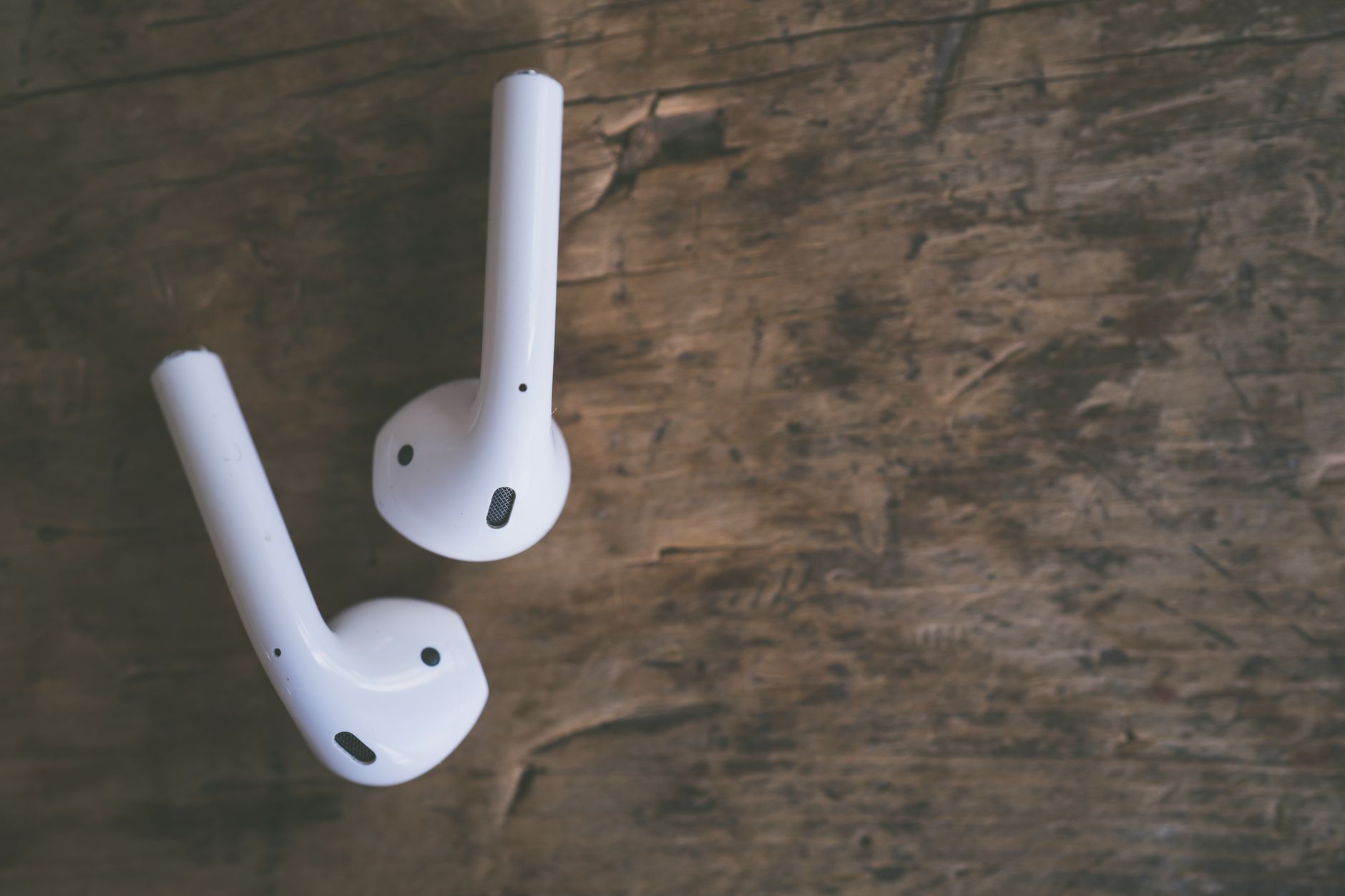
The original Switch shipped without any form of Bluetooth audio output, a choice Nintendo never officially explained but which many attributed to latency concerns during wireless play. Workarounds existed – third-party Bluetooth adapters plugged into the headphone jack or USB-C port – but they were clunky, battery-dependent, and never felt like a real solution. The Switch 2 eliminates that entire category of workaround by building the functionality directly into the hardware. For the first time, Nintendo players can pair a Bluetooth headset the same way they would on a phone or tablet, without dongles or adapters sitting between them and the sound.
That might sound like a clean win, and for casual users it largely is. But the hardware market around Switch accessories had already built a distinct ecosystem during the years Nintendo refused to support Bluetooth audio. Brands like Turtle Beach, Astro, and SteelSeries had developed proprietary wireless protocols, dedicated USB receivers, and low-latency connections designed specifically to fill the gap Nintendo left open. Those products were not cheap, and the buyers who invested in them are now sitting on hardware that works perfectly fine – but no longer has any clear advantage over a standard Bluetooth headset that costs half the price.
The friction shows up most visibly in the gaming headset mid-range. A $90 headset built around a proprietary 2.4GHz wireless dongle made sense when Bluetooth on Switch was not an option. Now that same headset is competing against $45 Bluetooth alternatives that pair natively, charge over USB-C, and fold flat for travel. The proprietary wireless vendors have not lost their technical edge on latency – 2.4GHz connections still perform better in most real-world gaming conditions – but the gap has narrowed enough that the price difference is harder to justify to a mainstream buyer.
Nintendo’s implementation is not without limitations. Bluetooth audio on Switch 2 introduces a small but measurable audio delay, which is most noticeable in music games, rhythm titles, or any situation where timing between visual and audio feedback is critical. Nintendo has flagged this in its own documentation, recommending wired connections for competitive play or audio-sensitive games. That caveat matters, but for the majority of players using Bluetooth for single-player RPGs, open-world games, or casual titles, the latency is functionally invisible.
How Brands Are Responding to the Shift
The headset market’s response to Switch 2’s Bluetooth support has not been panic – it has been repositioning. Brands that built their Switch product lines around dongles and proprietary receivers are now quietly pivoting their marketing language away from “Switch-compatible wireless” and toward broader platform claims. The emphasis has shifted to multi-device pairing, premium audio drivers, and noise cancellation specs – features that justify price points independent of Nintendo’s hardware choices.
Some brands are leaning into the latency argument, and it is not entirely cynical. For a player who also uses the same headset on PC for competitive shooters, the 2.4GHz connection remains the better technical choice. Marketing around that crossover use case lets vendors frame their products as ecosystem investments rather than Switch-specific purchases. The Switch 2 buyer who also games on PC or has a PlayStation in the house is a more defensible audience than someone who only plays Nintendo titles on a handheld.
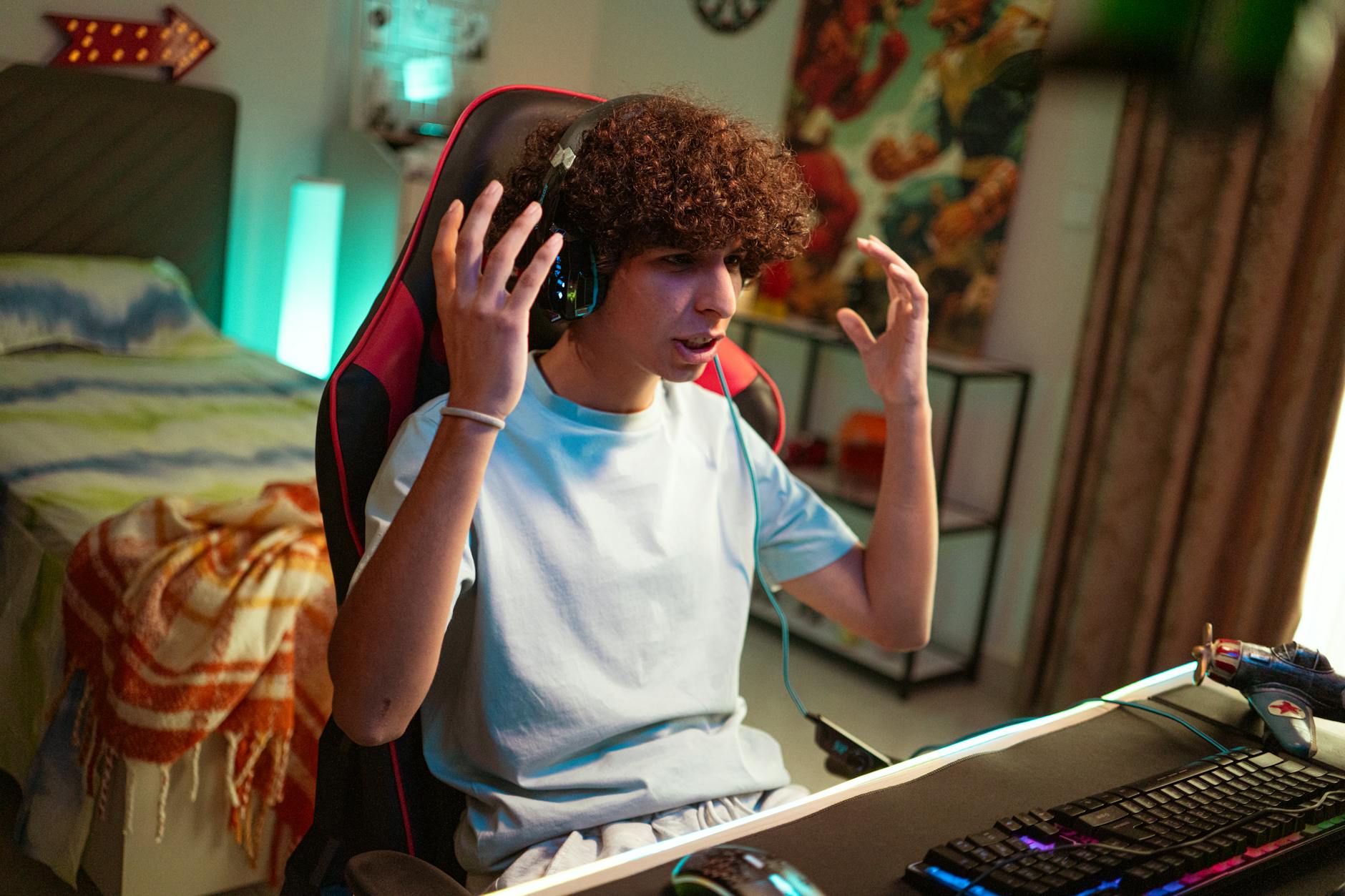
What no brand has a clean answer to is the entry-level collapse. The $40-$60 Bluetooth headset market – which barely existed as a Switch accessory category two years ago – is now genuinely competitive with dedicated gaming headsets for the majority of Switch 2 use cases. Sony, Jabra, Anker’s Soundcore line, and several others produce Bluetooth audio hardware in that range that pairs instantly, sounds respectable, and requires zero additional hardware. Nintendo’s native support handed those brands a free entry point into the gaming headset conversation without them doing anything at all.
There is also a generational dynamic at play. Younger Switch 2 buyers – particularly those picking up the console as a first dedicated gaming device – have grown up treating Bluetooth as the default wireless standard. The idea that gaming headsets required separate receivers or proprietary protocols feels arcane to that demographic. Native Bluetooth support validates how they already think about wireless audio, and it makes the premium gaming headset pitch harder to land when the baseline experience no longer requires it.
The brands that were most exposed to this shift are the ones that doubled down on Switch-specific SKUs during the original hardware’s lifecycle. A headset marketed and packaged with Switch iconography, sold at a gaming headset price point, built around a dongle – that product line faces the clearest value challenge. The more a brand tied its identity to solving the problem Nintendo just solved for free, the more complicated its current catalog positioning becomes.
Where Loyalty Actually Lives Now
Brand loyalty in the headset space has never been especially deep among Nintendo’s core audience the way it is among PC or console shooter players. The Switch skews toward a broader demographic that includes families, casual players, and people who pick up the hardware for specific franchises rather than gaming identity. That audience shops on price and convenience more than brand affinity, which means the removal of a technical barrier to Bluetooth does more damage to premium headset positioning than it would in any other segment of the gaming market.
The open question for headset brands now is whether the Switch 2 buyer who discovers Bluetooth audio works fine for their needs will ever migrate upward to a proprietary wireless product – or whether Nintendo just permanently set the ceiling on what that customer is willing to spend on audio hardware. The answer probably depends on whether Nintendo eventually ships a title where Bluetooth latency becomes genuinely painful enough to notice. A rhythm game in the Mario or Zelda universe with precise audio-visual timing could do that. Without it, $45 Bluetooth headsets may hold the floor for a long time.