




When a Mobile Game Creates a Physical Supply Problem
Pokemon TCG Pocket launched as a digital card collecting experience, but its ripple effects have been hitting physical card shops in ways few anticipated. The app strips away the complexity of the full trading card game and delivers dopamine-heavy pack-opening mechanics to a massive casual audience – and that audience, once hooked, wants to hold the real thing. What followed was a surge in demand for physical Pokemon cards that many local game stores simply were not positioned to absorb.
Waitlists for booster boxes and popular single cards have become a standard feature at card shops across the country, with some stores reporting that specific sets move within hours of restocking. The problem is not that supply has collapsed – Pokemon Company International has been printing aggressively – but that the pipeline connecting product to shelves cannot keep pace with the unpredictable spikes TCG Pocket sends through the market every time a new expansion or promotional event drops inside the app.
This is a demand problem wearing the costume of a supply problem.
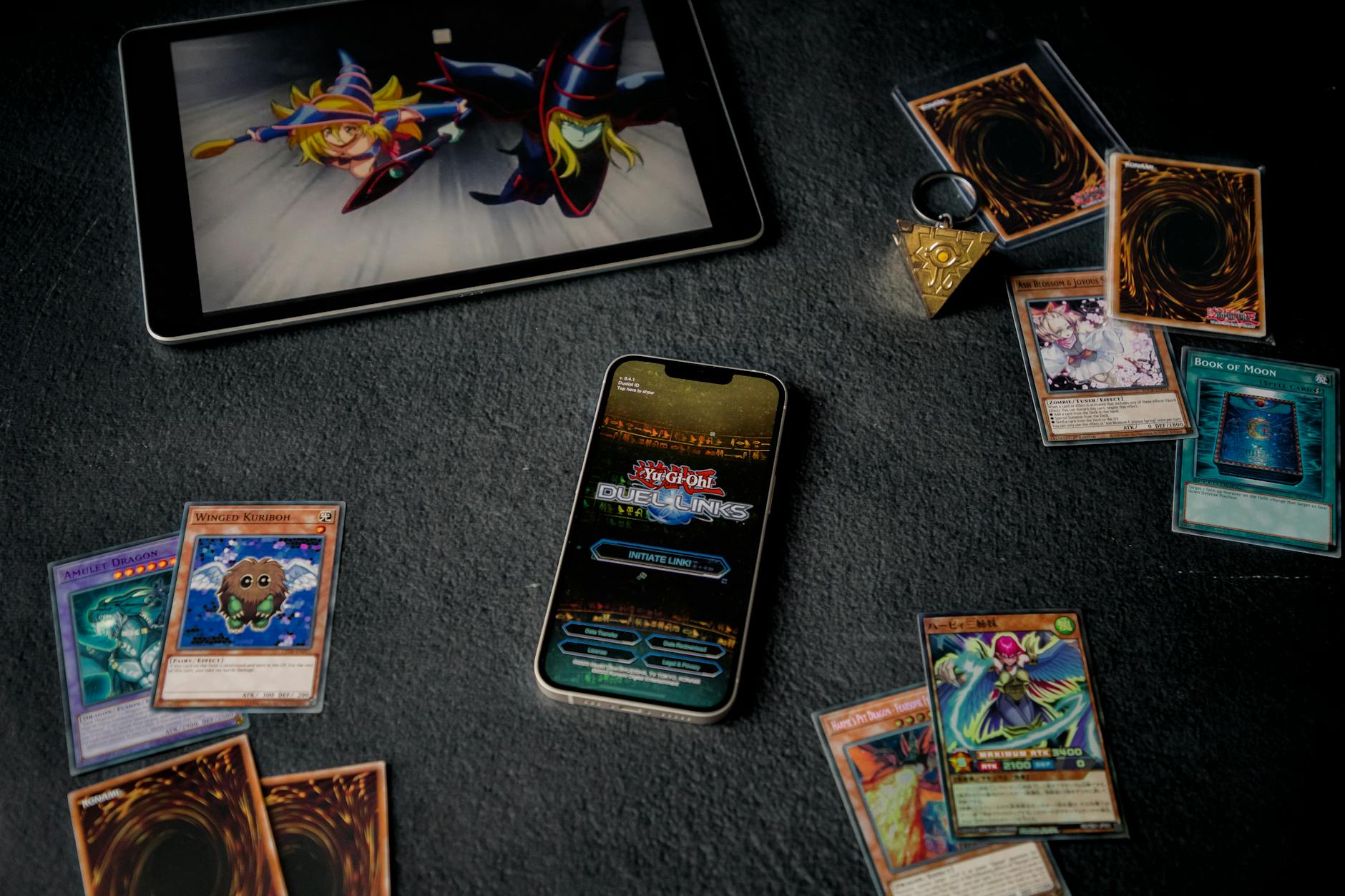
How TCG Pocket Is Rewiring Card Buying Behavior
TCG Pocket works by giving players free digital packs on a daily timer, then charging for additional pulls through in-app currency. The card designs mirror physical sets, and the UI is built around the visual satisfaction of opening packs – foil cards fan out, rare pulls trigger animations, and a collection book fills like a physical binder. For players who grew up with the physical game, that experience is close enough to trigger nostalgia, but just different enough to remind them what they are missing.
The behavioral loop this creates is well-documented in mobile gaming: a digital product lowers the barrier to entry, builds attachment to the IP, and then converts a percentage of its audience into buyers of physical goods. Pokemon has always benefited from this kind of cross-platform enthusiasm, and the franchise’s broader competitive scene has shown similar patterns of new audiences converting into deeply invested participants. TCG Pocket accelerated that conversion cycle significantly because the app itself is so closely tied to the physical card aesthetic.
The timing of new app content is what really stresses store inventory. When TCG Pocket announces a new expansion, players do not just want the digital version – they want the physical cards that correspond to the new artwork. Shops that ordered based on historical sales patterns get caught short, and emergency reorders through distributors often face weeks of lead time. A two-week wait in the card market is enough time for a trend to peak and cool, leaving some retailers either sold out during peak demand or sitting on product they rushed to acquire after the moment had passed.

The Shop Side of the Equation
Running a local card shop in this environment requires a level of trend forecasting that most small retailers did not sign up for. Ordering decisions need to be made weeks in advance, but the app’s content calendar is not always public, and even when it is, predicting how specific reveals will affect physical demand is not straightforward. A rare card that becomes a fan favorite in the digital game can spike physical prices for its real-world counterpart by multiples within days.
Waitlists themselves have become a customer service challenge. Some shops use them to manage goodwill – letting loyal customers lock in stock before it arrives – but they also create friction. Customers who do not make it onto a list in time often turn to secondary markets, where prices reflect panic buying rather than retail margins. That dynamic frustrates collectors who want fair access and undercuts shops that try to sell at MSRP. A store that holds the line on price integrity can lose the immediate sale while scalpers on resale platforms capture the markup.
Distributors are feeling the pressure too. Allocation systems that were designed to prevent overordering by large chains can work against smaller shops trying to scale up quickly. When a shop wants to jump from ordering two cases of a set to ten, the allocation process does not always accommodate that kind of rapid shift, even if the retailer has clear evidence of customer demand. The structural constraints of the hobby distribution network were built for a more stable market, and the volatility TCG Pocket introduces sits uncomfortably within those structures.
Where This Leaves Collectors
For the average player who downloaded TCG Pocket on a whim and now wants to start a physical binder, the entry point into local card shops has gotten noticeably more complicated. Waitlists, allocation windows, and inconsistent stock mean that finding a specific booster set at retail price requires either timing and luck or a relationship with a shop that rewards regulars – and the question worth sitting with is whether Pokemon Company’s own retail strategy is keeping pace with the demand engine its digital products have built.
Frequently Asked Questions
Why are Pokemon cards hard to find at local shops right now?
Pokemon TCG Pocket has brought a large wave of new buyers into physical cards, causing demand spikes that outpace normal restocking cycles at most card shops.
Are Pokemon TCG Pocket cards the same as physical Pokemon cards?
TCG Pocket cards are digital only, but they mirror physical set designs closely, which drives players to seek out the real-world versions after engaging with the app.