



The App That Refuses to Behave Like a Mobile Game
Pokémon TCG Pocket launched in October 2024 with a deceptively simple premise: a free-to-play digital card game built around the nostalgia of cracking booster packs. What nobody predicted – including, reportedly, some of The Pokémon Company’s own partners – was just how sticky the app would become. Not sticky in the way mobile games usually are, with aggressive push notifications and energy timers dragging players back. Sticky in the way a console game is, where people return because they actually want to.
The engagement metrics now circulating across the mobile gaming industry are drawing serious attention. Daily active user retention at 30 and 60 days out from install is tracking at rates that most free-to-play titles on iOS and Android would consider exceptional at the 7-day mark. That gap is not a rounding error. It signals something structural about how the game was designed, and rival developers are paying close attention.

Why Retention Is the Number That Actually Matters
Download counts make headlines, but they are a vanity metric. A mobile game can rack up 50 million installs and still be commercially irrelevant if players drop off in the first week. The metric that determines whether a game has real business legs is day-30 retention – the percentage of players still opening the app a month after downloading it. Pokémon TCG Pocket is holding numbers in that window that rival the top-performing casual games in the market, which typically benefit from shorter session lengths and broader demographic reach.
The structure of the app helps explain why. Players receive exactly two free booster packs every 12 hours, and each pack takes roughly 30 seconds to open. That sounds like a classic engagement loop, but the pacing is unusually patient by mobile standards. There is no option to buy your way to faster packs, no auction house bleeding competitive players dry, and no ranked ladder designed to manufacture anxiety. The game creates a daily habit without weaponizing it, which turns out to be a more durable design than the industry’s standard approach of maximizing short-term friction.
The Competitive Landscape Is Watching Nervously
The mobile card game genre was not exactly dormant before Pokémon TCG Pocket arrived. Hearthstone, Marvel Snap, and a handful of regional juggernauts had established what the audience expected: regular expansion drops, a competitive meta that demanded investment, and monetization structures built around the fear of missing out. Pokémon TCG Pocket walked into that space and did almost none of those things, yet it pulled engagement numbers that make those established titles look defensive.
Marvel Snap, which built a genuinely respected reputation for quick-play design, saw meaningful drops in concurrent session data in the weeks following Pokémon TCG Pocket’s launch, according to third-party app analytics trackers. Hearthstone’s trajectory was already complicated before October 2024, but the timing of further engagement softness did not go unnoticed internally at Blizzard. Neither company has addressed Pokémon TCG Pocket by name publicly, but the product decisions made in early 2025 at both studios suggest a reading of what the new competition proved.
What the rivals are most unsettled by is not the Pokemon IP advantage, though that is obviously real. It is the proof of concept that a mobile card game can grow and retain without a punishing monetization funnel. The assumption holding up most of the genre’s business models is that players will churn without constant pressure – new cards to chase, ranked seasons to stress over, bundles expiring tonight. Pokémon TCG Pocket has made that assumption look optional rather than necessary.
A growing number of mobile developers are now reportedly revisiting monetization roadmaps to ask whether the pressure-based model is losing its tolerance window with players. The answer is not yet clear, but the question itself represents a shift in how product teams are framing the problem. A year ago, the discussion was about optimizing conversion on existing funnels. Now the discussion, at least in some studios, is about whether the funnel design is the problem to begin with.
The Social Layer Nobody Expected
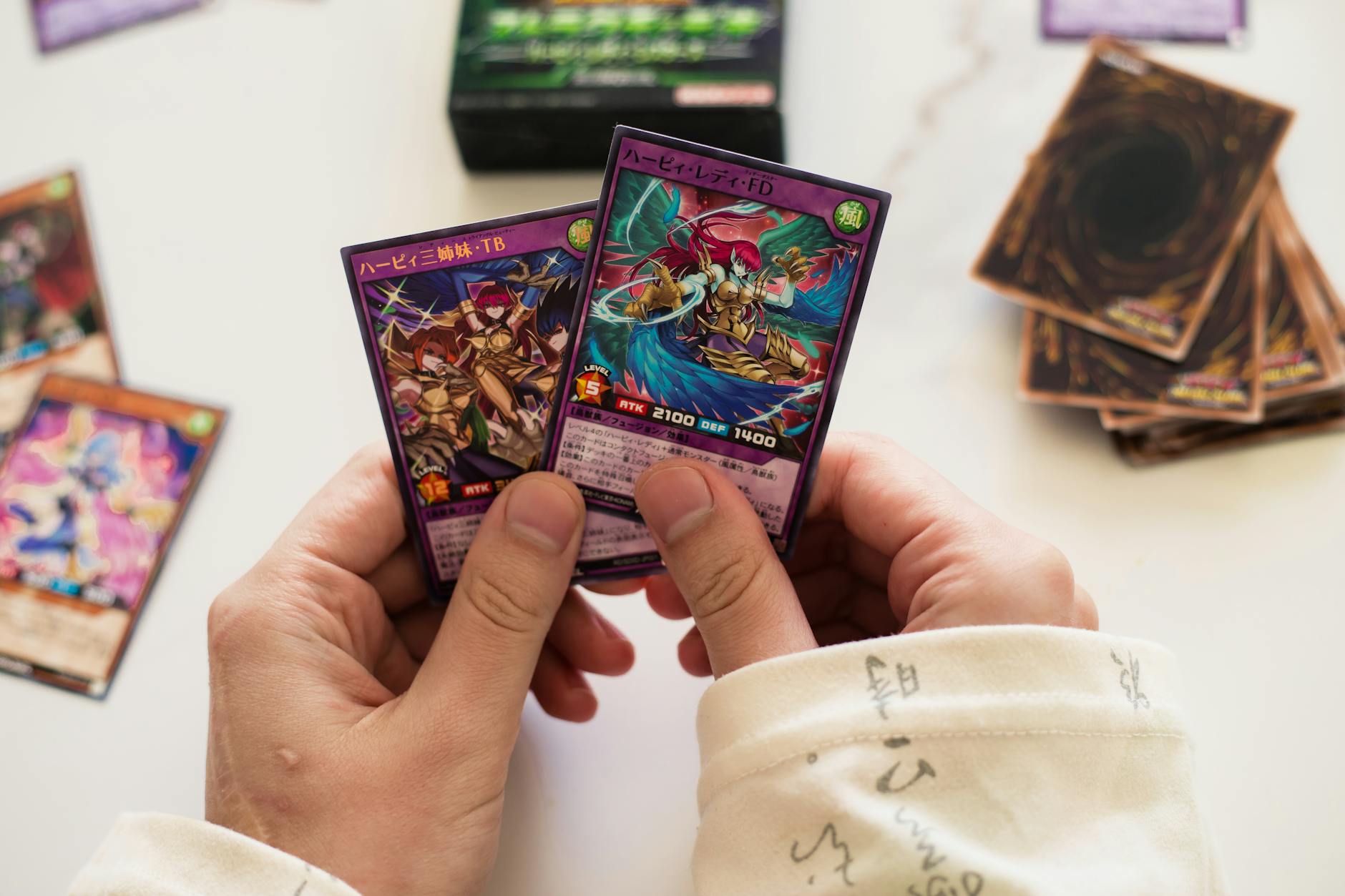
Pokémon TCG Pocket added a trading and battling social layer post-launch, and the effect on engagement was immediate. Players who had been using the app as a solo collecting experience suddenly had a reason to coordinate with friends, compare decks, and invest in the collection more seriously. This kind of organic social expansion is notoriously hard to engineer in mobile, and most studios that attempt it end up building guild systems that feel hollow. The card game format made the social scaffolding feel native rather than tacked on.
The social mechanics also created a content ecosystem outside the app. Card pulls, rare collection showcases, and deck-building discussions flooded YouTube and TikTok in a way that functioned as free advertising with unusually high conversion rates. A viewer watching someone pull a holographic Charizard and immediately downloading the app is a user acquisition cost of essentially zero. That loop – organic social content driving installs, installs adding to the social conversation – is the kind of flywheel that mobile marketing teams spend millions trying to manufacture artificially.
What the Numbers Mean for the Industry
The Pokémon Company has not released official daily active user figures, but third-party data firms tracking App Store and Google Play usage have put estimates in a range that places Pokémon TCG Pocket consistently among the top five most-played mobile titles globally by session time, not just download count. Session time is the harder number to fake. It means people are sitting with the app open, not just tapping in to collect a daily login reward and closing it.
That session time data is particularly uncomfortable for mid-size mobile studios whose entire retention strategy is built around login rewards and time-gated content. Those mechanics are not disappearing from the genre, but their grip on player behavior looks weaker now that a major title has demonstrated players will voluntarily return to an app that does not punish them for leaving. The psychology of voluntary engagement versus obligation-driven engagement produces very different long-term outcomes for lifetime value, and the Pokémon TCG Pocket data is starting to quantify that gap in ways that are hard to dismiss.

The harder question for rivals is not how to copy what Pokémon TCG Pocket built – that is straightforward enough to analyze. The harder question is whether they can rebuild their monetization models around a patience-first approach without collapsing the short-term revenue that keeps their studios funded. Pokémon TCG Pocket entered the market with The Pokémon Company’s financial security and brand recognition as a buffer. A mid-size studio betting on the same design philosophy does not have that cushion, which means the model that is demonstrably working may remain structurally out of reach for most of the companies most threatened by it.