




A City Built for Pokemon
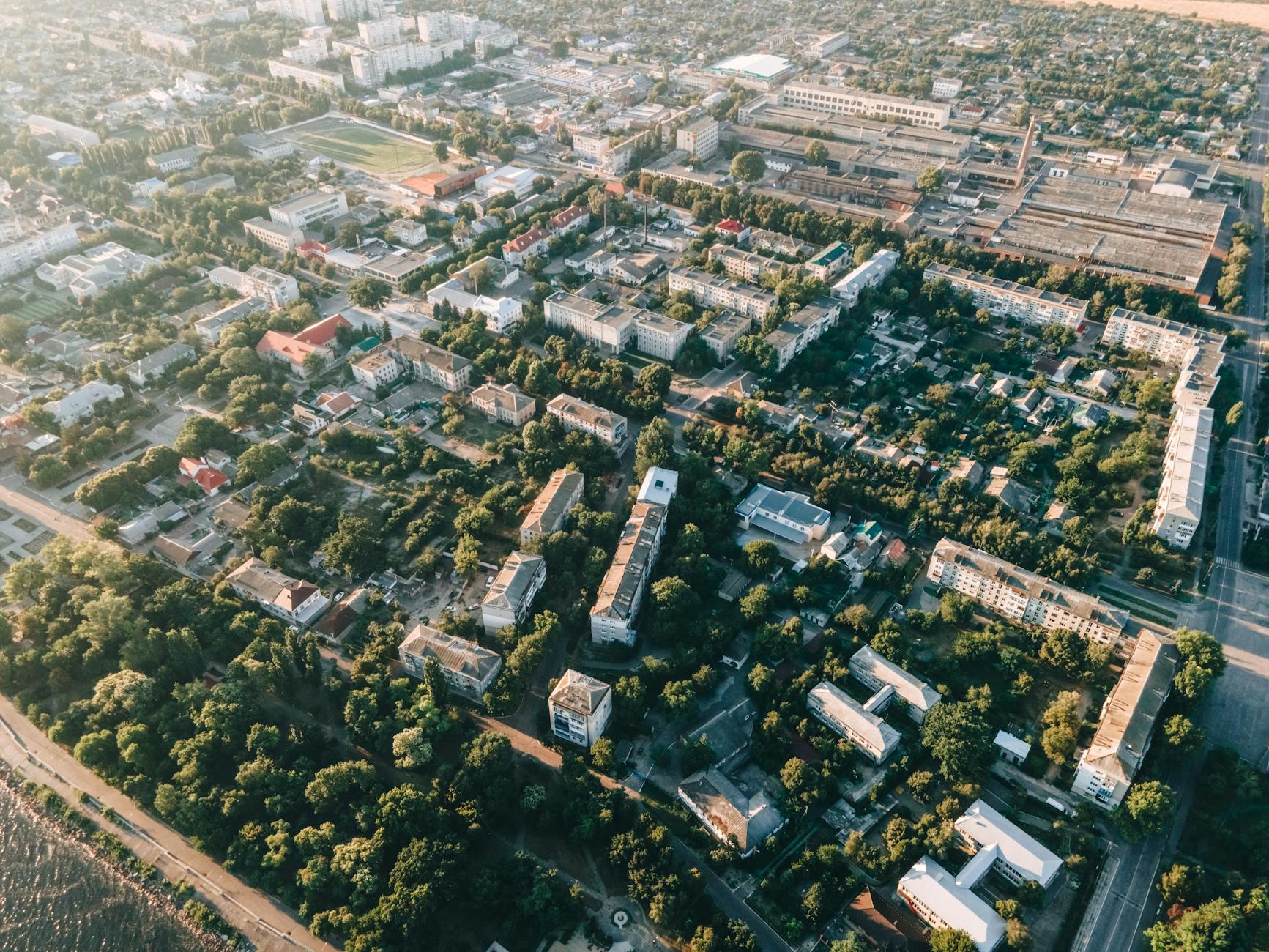
Every mainline Pokemon game has sold the same fantasy: wide open routes, tall grass hiding surprises, and a world that feels hand-crafted for exploration on foot. Pokemon Legends: Z-A is selling something different. Set entirely within Lumiose City – the sprawling French-inspired metropolis from Pokemon X and Y – the game commits to an urban environment as its primary and, apparently, only playground. No routes stretching into wilderness. No forest towns with their own gym leaders. Just the city, its alleys, its rooftops, and whatever secrets can be hidden between buildings.
That single decision has split the Pokemon community in a way few recent announcements have managed. For every fan who sees this as a bold artistic choice, there is another who feels the series is abandoning its foundational appeal. The debate is not really about Lumiose City specifically. It is about what Pokemon is supposed to feel like, and whether that feeling is negotiable.
What the Announcement Actually Showed
The reveal trailer for Legends: Z-A leaned hard into the urban redevelopment angle. Lumiose City is described as undergoing an “urban redevelopment plan” designed to bring humans and Pokemon closer together in a shared living space. The visual language was deliberate – rooftops, cobblestone streets, a city in motion. Game Freak appears to be building a dense vertical world rather than a horizontal one, where exploration means going up and inward rather than outward toward new regions.
Battle mechanics shown in trailers suggest a faster, more action-adjacent system, building on what Legends: Arceus introduced. The catching system also looks refined. But the setting is the loudest statement in the entire package – louder than any mechanic shown so far. A fully urban Pokemon game has never been done at this scale, and Game Freak knows it.
The choice of Lumiose is not random. The city already had a reputation as one of the more detailed and navigable locations in the series, even if X and Y left many of its buildings locked and inaccessible. Fans who loved that game felt teased by a city that was visually rich but functionally hollow. Legends: Z-A appears to be a direct answer to that disappointment – an attempt to finally fill in everything that X and Y left empty.
Why Some Fans Are Pushing Back
The frustration from a vocal segment of the fanbase comes down to a specific anxiety: that “urban” means “small.” Pokemon games have traditionally drawn their sense of scale from variety – beaches followed by caves followed by snowy peaks followed by volcanic craters. That variety makes the world feel genuinely large even when the actual map is not. A single city, no matter how detailed, carries an inherent ceiling on that kind of scope. Fans who love the feeling of crossing into a new biome and encountering completely different Pokemon are skeptical that a city block can replicate that experience.
There is also a nostalgia argument running underneath the complaints. The series grew up on routes. Routes have a specific pacing – an entrance, a path, wild encounters, trainers to battle, and an exit into somewhere new. Removing that structure does not just change how the game plays. For long-time fans, it removes a rhythm that has defined Pokemon for nearly three decades. That is not a small ask.
The Case for Going Urban
The counterargument is equally strong, and it starts with what Legends: Arceus proved. That game took the series into open-area gameplay and was widely credited with being the most fresh Pokemon had felt in years. It sold the idea that deviation from formula was not just acceptable – it was necessary. Legends: Z-A appears to be continuing that logic, just in a different direction. Where Arceus went wide, Z-A goes dense.
Urban design in games has a genuine track record of creating rich, memorable worlds. Cities in RPGs – when built with intention – reward exploration in ways that sprawling fields rarely can. Hidden shops, vertical traversal, neighborhood districts with distinct identities, NPCs with layered routines – these are tools a city environment makes available that a grassy route simply cannot. If Game Freak uses Lumiose as a living ecosystem rather than a backdrop, the setting could produce a kind of discovery that feels genuinely different from anything the series has offered before.
There is also something to be said for the thematic fit. The idea of Pokemon and humans redesigning a city together is inherently urban. You cannot really tell that story in a forest or on a mountaintop. The setting is not incidental – it is load-bearing for the premise. Pushing back on the city is, in a sense, pushing back on the entire concept the game is built around.
The more interesting question is whether Game Freak will treat Lumiose as a genuinely open world or as a series of contained corridors dressed up in city aesthetics. Legends: Arceus had its share of empty space and invisible walls. If Z-A delivers a city that feels truly alive – where every district has personality, where the verticality is used aggressively, where returning to the same street at different points in the story reveals something new – the skeptics will have very little to stand on. If it delivers a pretty but shallow urban loop, the complaints will feel justified in hindsight.

What makes this debate worth watching is that both sides are essentially arguing about the same thing from opposite directions. Fans who want routes want to feel like the world is bigger than they are. Fans who want the city fully realized want to feel like the world is more detailed than they expected. Neither camp is wrong about what makes Pokemon great. They are just betting differently on which approach gets there – and right now, nobody knows which bet pays off until the game is in their hands.