



Latest

Nintendo confirmed Donkey Kong Bananza runs on a modified Tears of the Kingdom engine, igniting debate among developers about engine reuse, franchise identity, and creative trade-offs.

Baldur’s Gate 3’s stage adaptation has sparked fierce debate over casting choices, with fans split on whether the production honors or betrays the beloved RPG’s characters.

Donkey Kong Bananza’s villain design is dividing fans along clear generational lines, reopening a decades-old debate between Rare-era and Retro Studios-era aesthetics.

Luigi’s Mansion Dark Moon Remaster is outperforming low pre-launch expectations, holding strong chart positions weeks after release on Nintendo Switch.
Wario Land hasn’t had a new entry since 2008. With the Switch 2 on the horizon, platformer fans are asking why Nintendo keeps ignoring its most distinct platformer franchise.

Zelda: Echoes of Wisdom sold 1.44 million copies in its debut quarter – well below franchise norms. Here’s why that number is raising red flags.
EDITOR'S PICKS



Donkey Kong Bananza skips Squawks’ Rocket Barrel entirely, and DKC2 fans are quietly feeling that absence more than expected.



GAME REVIEWS
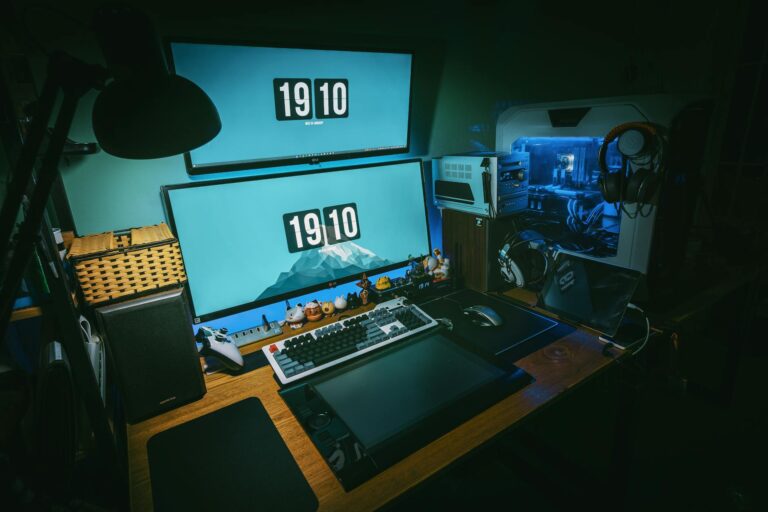
Corsair’s modular gaming desk transforms streaming setups with magnetic components, smart cable management, and integrated lighting that adapts to any content type.

Sony’s PlayStation Portal is outperforming Backbone controllers through superior PlayStation integration and dedicated gaming hardware design.

Xbox Game Studios’ strategic focus on horror games is delivering critical acclaim and commercial success, proving mature content can drive platform growth.

Spotify’s gaming playlist algorithms are quietly revolutionizing how video game soundtracks are created, with developers using streaming data to craft more engaging audio experiences.

Zelda cookbooks outsell traditional gaming guides by transforming virtual experiences into real-world lifestyle products with lasting appeal.
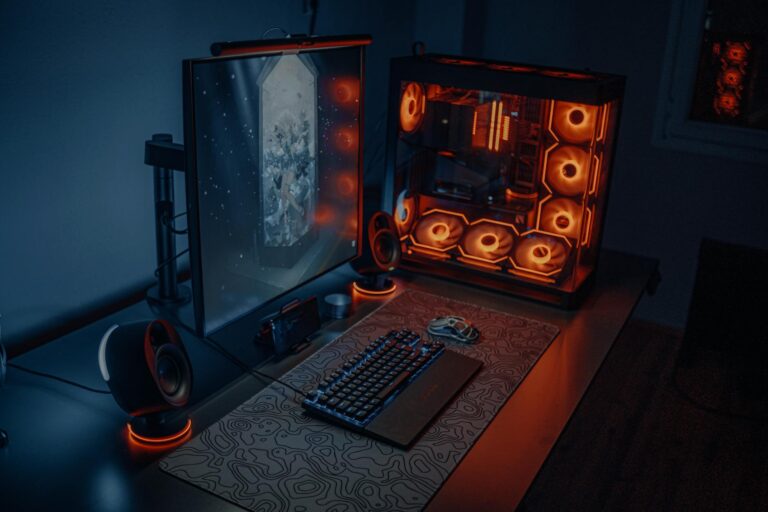
Steam’s new Family Library Sharing feature replaces risky password sharing with legitimate family access, allowing six users to play shared games simultaneously while maintaining individual accounts.

Sony’s partnership with Samsung smart TVs enables PlayStation gaming without consoles, potentially transforming the industry’s hardware-centric model.

Microsoft’s Xbox mobile app delivers real-time gaming news, reviews, and community features that are fundamentally replacing traditional print gaming magazines.
Trending