



The Queen Nobody Summoned
Donkey Kong Bananza has arrived as a love letter to the franchise’s legacy, pulling from decades of ape-flinging history to build something that feels both nostalgic and fresh. Nintendo’s new platformer packs in callbacks, enemy designs, and world structures that clearly signal deep affection for what came before. But for a specific corner of the fanbase – the ones who grew up obsessing over Donkey Kong Country 2: Diddy’s Kong Quest – one glaring absence has turned that affection into frustration.
The Zinger Queen is nowhere to be found.
Queen B, the enormous armored bee boss who ruled over the Kremhive hive world in DKC2, remains one of the most visually distinct and mechanically memorable bosses in Rare’s run on the franchise. She is enormous, she is angry, and she has been on the bench ever since 1995. Donkey Kong Bananza, a game ambitious enough to rethink the entire structure of how DK platformers work, seemed like the exact moment Nintendo would finally bring her back. It did not.

Why Queen B Still Matters to DKC2 Fans
It is easy to dismiss nostalgia for a single boss as niche complaining, but Queen B’s absence carries more weight than that. DKC2 is widely regarded as the creative high point of the original Rare trilogy, and its boss roster was a huge part of why. Each encounter felt built around a specific mechanical idea – Krow dropping eggs, Kleever wielding itself as a weapon, and Queen B filling that hive arena with a swarm of smaller Zingers while players struggled to knock her crown-like weak point loose with barrel blasts. She was a puzzle boss before that phrase became common in game design conversation.
The Zinger enemy type itself has shown up in Donkey Kong Bananza’s general enemy pool, which makes the Queen’s absence sting even more. Having the worker drones but not the queen is a choice, and DKC2 fans are very aware that it was a choice. Online discussion across Reddit and Nintendo fan communities has made it clear that many players were specifically watching for her during boss fights, only to reach the credits without the confrontation they wanted.
This is not an isolated reaction. Klap-Trap enemies are also missing from Bananza, another DKC2 staple that fans hoped would make the jump. The pattern is becoming harder to ignore: Bananza draws heavily from the broader DK catalog but seems to consistently sidestep the most specifically DKC2 elements, leaving that game’s fanbase doing the most grieving.
What a Zinger Queen Boss Could Have Been
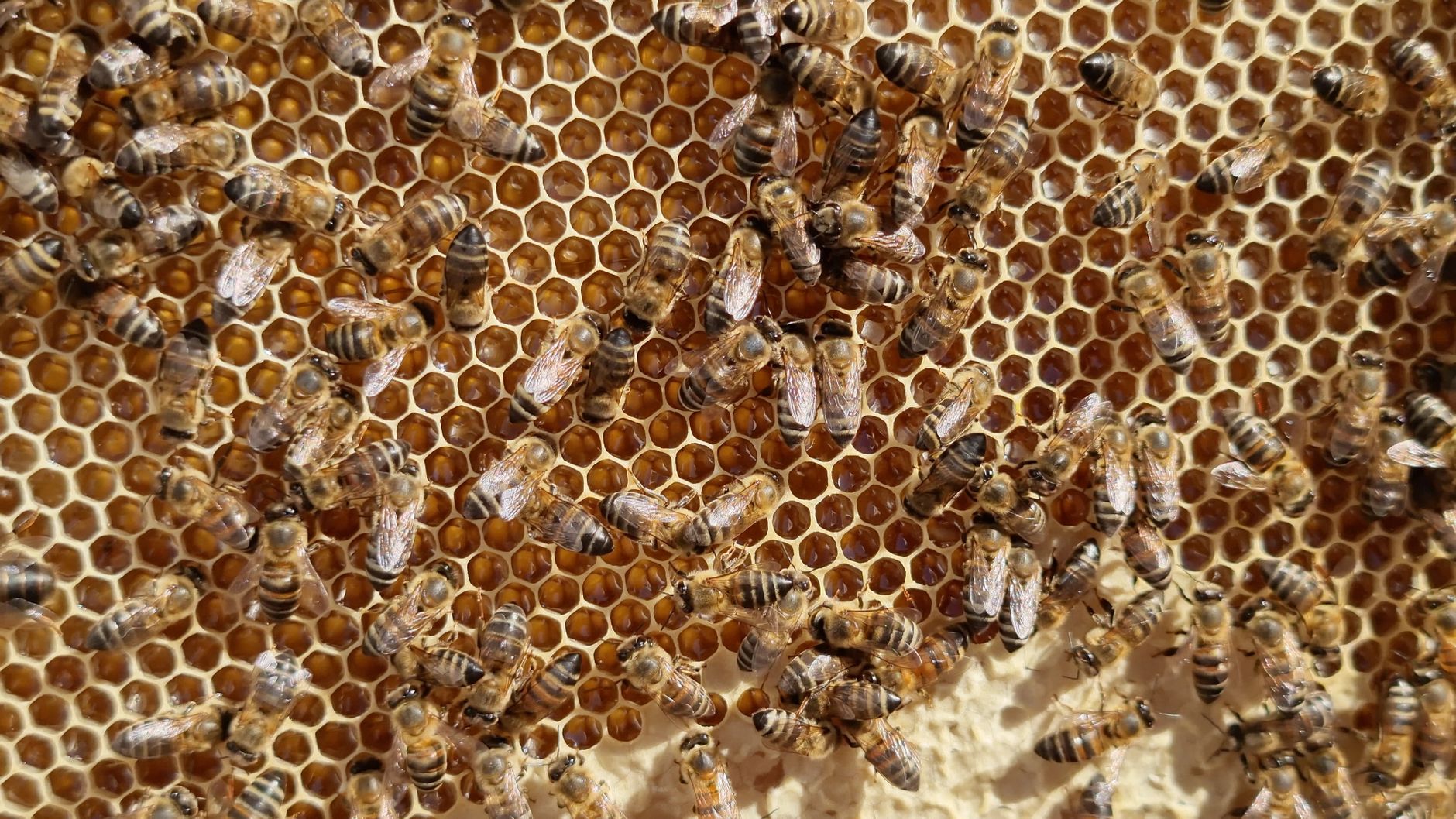
Donkey Kong Bananza’s design philosophy centers on destruction. DK can tear through terrain, punch through walls, and reshape environments in ways no previous game in the series allowed. A Queen B encounter built around that mechanic would have written itself: collapse sections of the hive to cut off her Zinger reinforcements, blast structural weak points to alter the arena mid-fight, or rip honeycombs from the walls to use as projectiles. The gameplay tools Bananza introduces are almost purpose-built for exactly this kind of environmental boss fight.
Instead, the game delivers other strong boss moments that are genuinely well-designed. None of that is in question. But there is a specific flavor of satisfaction that comes from seeing a beloved classic boss recontextualized with modern mechanics, and that satisfaction is missing when the boss in question never shows up. Donkey Kong Country Tropical Freeze understood this when it brought back enemies and design sensibilities from the SNES era in ways that felt earned rather than recycled. Bananza could have done the same with Queen B.
The frustration is also about representation. DKC2 introduced Dixie Kong as a co-lead, built one of the most beloved video game soundtracks ever composed by David Wise, and pushed the Super Nintendo hardware in ways that still look impressive. Bananza honors the franchise broadly but feels thin in its DKC2 coverage specifically, and Queen B is the most visible symbol of that gap.
A Crown Left on the Floor
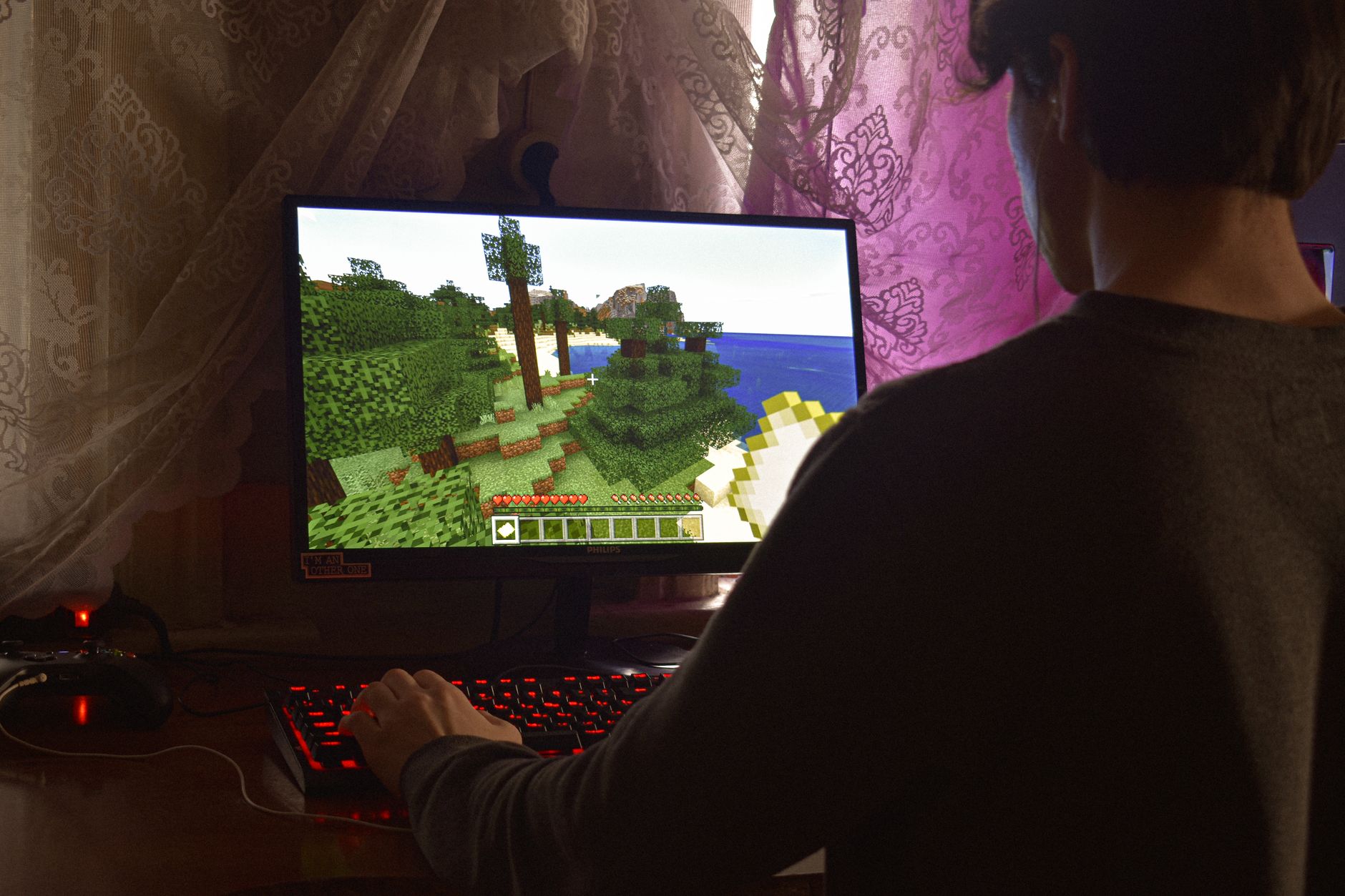
Donkey Kong Bananza is a strong game, and nothing about the Queen’s absence makes it less playable. But for the subset of players who have been waiting thirty years for Nintendo or any developer to give Queen B a proper modern revival, Bananza is the most painful near-miss yet – a game with every technical and creative tool needed to do it, that simply decided not to.