


Latest
Funky Kong’s absence as a playable character in Donkey Kong Bananza is dividing fans over roster expectations and accessibility concerns.

Donkey Kong Bananza launches without local co-op, frustrating fans who grew up sharing the franchise with friends and family on the couch.

Donkey Kong Bananza launched without Squawks the Parrot, and DKC2 fans are not letting it slide. Here’s why the omission hits harder than expected.

Donkey Kong Bananza launched without stage replay functionality, and achievement hunters are feeling it. Here’s why that missing system matters more than it sounds.

Donkey Kong Bananza skips the arcade era entirely, and fans of the original 1981 cabinet are feeling that absence in every level.
Donkey Kong Bananza skips the iconic DK Rap entirely, and N64-era fans are noticing the silence. Here’s why the omission lands harder than expected.
EDITOR'S PICKS


Donkey Kong Bananza skips Squawks’ Rocket Barrel entirely, and DKC2 fans are quietly feeling that absence more than expected.



GAME REVIEWS

Donkey Kong Bananza’s soundtrack is earning wide praise, but David Wise fans say the coverage is skipping decades of musical history tied to the series.

Donkey Kong Bananza’s camera is tuned for TV play, and handheld players are quietly absorbing the friction cost across every session.

Nintendo has confirmed Pauline appears in Donkey Kong Bananza but hasn’t explained her role, and fans are sharply divided over what that silence means.

Donkey Kong Bananza drops the classic checkered coin hoards, and longtime DKC fans are split on whether it’s smart design or a loss of franchise identity.

Donkey Kong Bananza has no Kremling bosses, and hardcore DKC fans are split on whether that’s creative freedom or a costly loss of franchise identity.
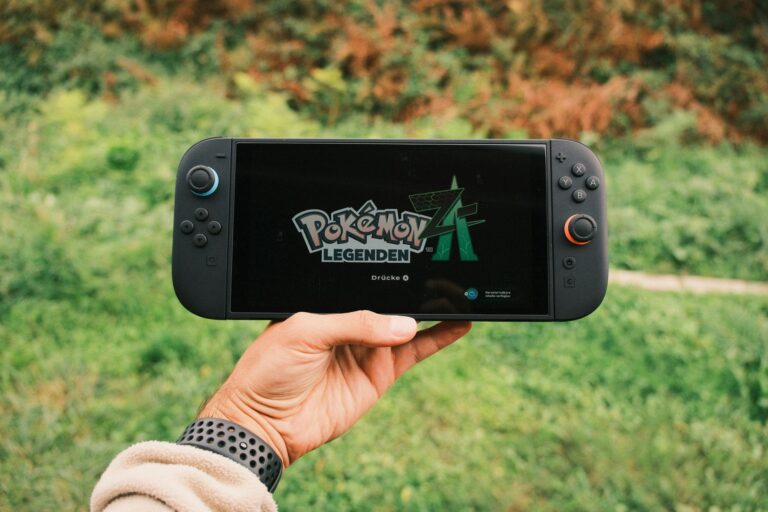
Nintendo’s choice to release Donkey Kong Bananza without a Switch 2 bundle may be quietly limiting the console’s sales momentum at a critical window.

Donkey Kong Bananza is missing balloon animals from DKCR, and fans are noticing. Here’s why that small detail carries real emotional weight.
Donkey Kong Bananza launched without a Funky Mode equivalent, and casual players are feeling it. Here’s why that absence matters more than it might seem.
Trending