




Intel’s Arc Bet Is Starting to Pay Off
For years, the budget GPU market operated on a simple assumption: if you couldn’t afford NVIDIA, you bought AMD, and if you couldn’t afford AMD, you waited. Intel’s Arc lineup entered that picture in 2022 looking shaky – driver issues, performance inconsistencies, and a reputation for instability that followed it through its first generation like a shadow. But the Arc B580, released in late 2024, changed the conversation in a way Intel’s earlier cards never managed to. It hit a price point under $250 and delivered frame rates that had no business being that competitive at that cost.
NVIDIA’s grip on the sub-$300 segment has always been about more than raw performance. It’s been about brand trust, ecosystem lock-in through features like DLSS and GeForce Experience, and a steady supply chain that keeps cards on shelves. Intel is now attacking all three of those pillars at once – and for the first time, it looks like the attack might actually land.
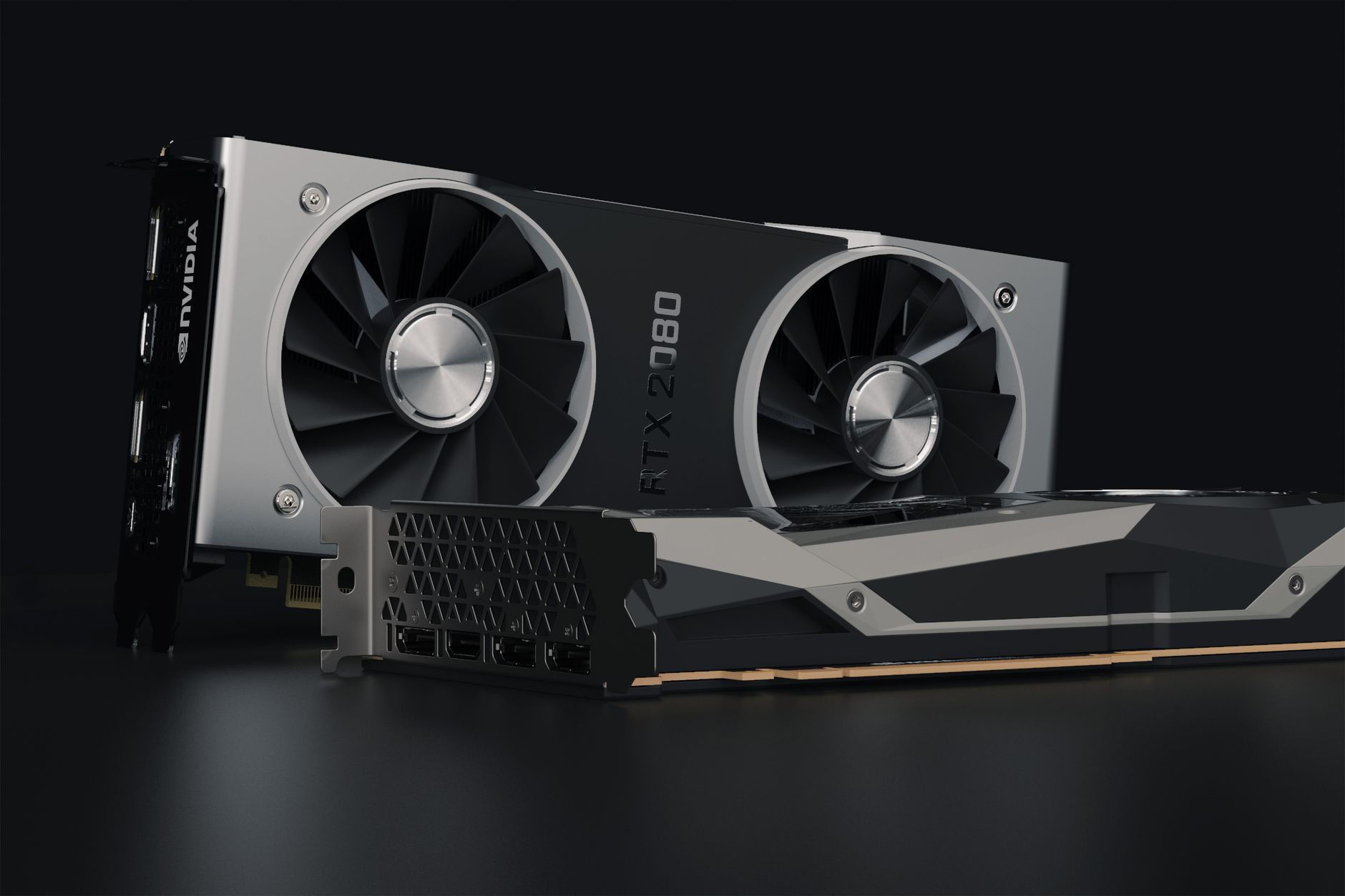
What the B580 Actually Gets Right
The Arc B580 runs on Intel’s Battlemage architecture, which addressed nearly every complaint leveled at the original Alchemist generation. Shader compilation stutters – the issue that made Arc cards nearly unusable in certain titles – are substantially reduced. Rasterization performance jumped to a level where the card trades blows with NVIDIA’s RTX 4060 in several benchmarks, often at a lower street price. That’s not a minor achievement. The RTX 4060 has been NVIDIA’s volume driver in the mid-range for over a year, and Intel is now offering comparable performance for noticeably less money.
Intel’s XeSS upscaling technology has also matured. Early versions of XeSS required specific hardware paths to run at full quality, which limited its usefulness. Battlemage-era XeSS runs well on a broader range of configurations, and Intel has been steadily expanding game support. It still doesn’t match DLSS in breadth of adoption, but the gap is closing faster than most expected. More importantly, XeSS is open to AMD hardware too, which means developers have more reason to implement it – a slow but real competitive lever.
Intel also made a deliberate choice to stock the B580 aggressively at launch. Supply has been relatively steady, which matters in a market where card availability has historically been used as a pricing tool. When a competitor’s card sits out of stock for weeks, even a technically inferior alternative at full shelf price starts looking attractive. Intel avoided that trap, and early sales numbers reportedly reflected it.

NVIDIA’s Soft Spot in the Budget Tier
NVIDIA’s vulnerability in the sub-$300 range isn’t a secret. The RTX 4060 launched at $299 with a 128-bit memory bus that drew immediate criticism, and the card’s value proposition never fully recovered from that first impression. NVIDIA has compensated through driver optimization and DLSS adoption, but raw memory bandwidth remains a ceiling that no software patch can raise. When AMD’s RX 7600 and now Intel’s B580 both offer wider memory configurations at similar or lower prices, the spec sheet conversation becomes harder for NVIDIA to win.
Supply constraints affecting NVIDIA’s mid-range lineup have occasionally pushed buyers toward alternatives – something covered when looking at how AMD graphics card sales responded to RTX 4060 availability gaps. Intel is now positioned to absorb some of that same overflow demand, but unlike AMD, Intel is also investing in a software ecosystem that could build longer-term loyalty rather than just catching opportunistic buyers.
The Bigger Picture: Three-Way Competition Benefits Everyone
The real consequence of Intel’s improving position isn’t just pressure on one NVIDIA SKU. It’s that the budget GPU segment now has three credible players for the first time in over a decade. That structural change matters for pricing. When only two companies compete, each can afford to price to the edge of what the other charges. When a third competitor enters with genuinely competitive hardware, the floor drops and the pace of iteration increases. Intel’s presence forces both NVIDIA and AMD to be more aggressive on value, not just on performance claims.
There’s also a driver maturity question that Intel still has to answer long-term. The Arc A770 and A750 cards from the first generation left a lasting impression on buyers who encountered instability, and word-of-mouth damage in PC gaming communities spreads quickly and heals slowly. Intel knows this. The company has been unusually transparent about driver development timelines and has maintained a public bug tracker for Arc-related issues – a communication strategy that signals awareness of the problem even if it doesn’t immediately erase it. Whether that transparency translates into trust among hesitant buyers is an open question.
Battlemage also arrives at a moment when the GPU upgrade cycle is under pressure from multiple directions. PC gaming hardware sales have softened broadly since the 2020-2021 surge, and buyers are holding onto current cards longer before upgrading. That means the market for a sub-$250 card that “does the job” is actually expanding relative to enthusiast-tier demand. Intel’s pitch – good enough performance, attractive price, available on shelves – lines up well with where budget-conscious buyers currently are.

The question hanging over Intel’s Arc ambitions has always been staying power. It’s one thing to release a strong product. It’s another to build the developer relationships, driver infrastructure, and retail presence needed to sustain a GPU line across multiple generations. Intel has the financial resources to absorb losses longer than most companies could, which means Arc’s survival doesn’t depend on immediate profitability. What it depends on is whether Intel can keep releasing cards that force the conversation – and the B580 has done exactly that. The next generation will reveal whether Battlemage was a turning point or a high-water mark.
Frequently Asked Questions
Is the Intel Arc B580 worth buying over the NVIDIA RTX 4060?
The B580 offers comparable performance at a lower price point, making it a strong value pick, though NVIDIA’s DLSS ecosystem and driver maturity still give the RTX 4060 advantages in certain titles.
Has Intel fixed the driver problems that affected early Arc GPUs?
Battlemage-era cards like the B580 show significant driver improvements over the original Alchemist generation, with reduced shader compilation stutters and broader game compatibility.