




A subscription that costs $29.99 a month stops being an impulse purchase and becomes a line item. That is the position Xbox Game Pass Ultimate now occupies after Microsoft’s October 2025 restructure, which replaced the old Core, Standard and Ultimate lineup with three tiers called Essential, Premium and Ultimate. The top tier jumped from $19.99 to $29.99 a month, a 50 percent increase that arrived with a longer list of bundled extras.
Game Pass has never lacked games. The harder question heading into 2026 is whether the pricing ladder asks subscribers to do too much arithmetic. When a service sells itself on effortless access, every tier comparison and every monthly bill becomes a small reminder that the deal has changed.
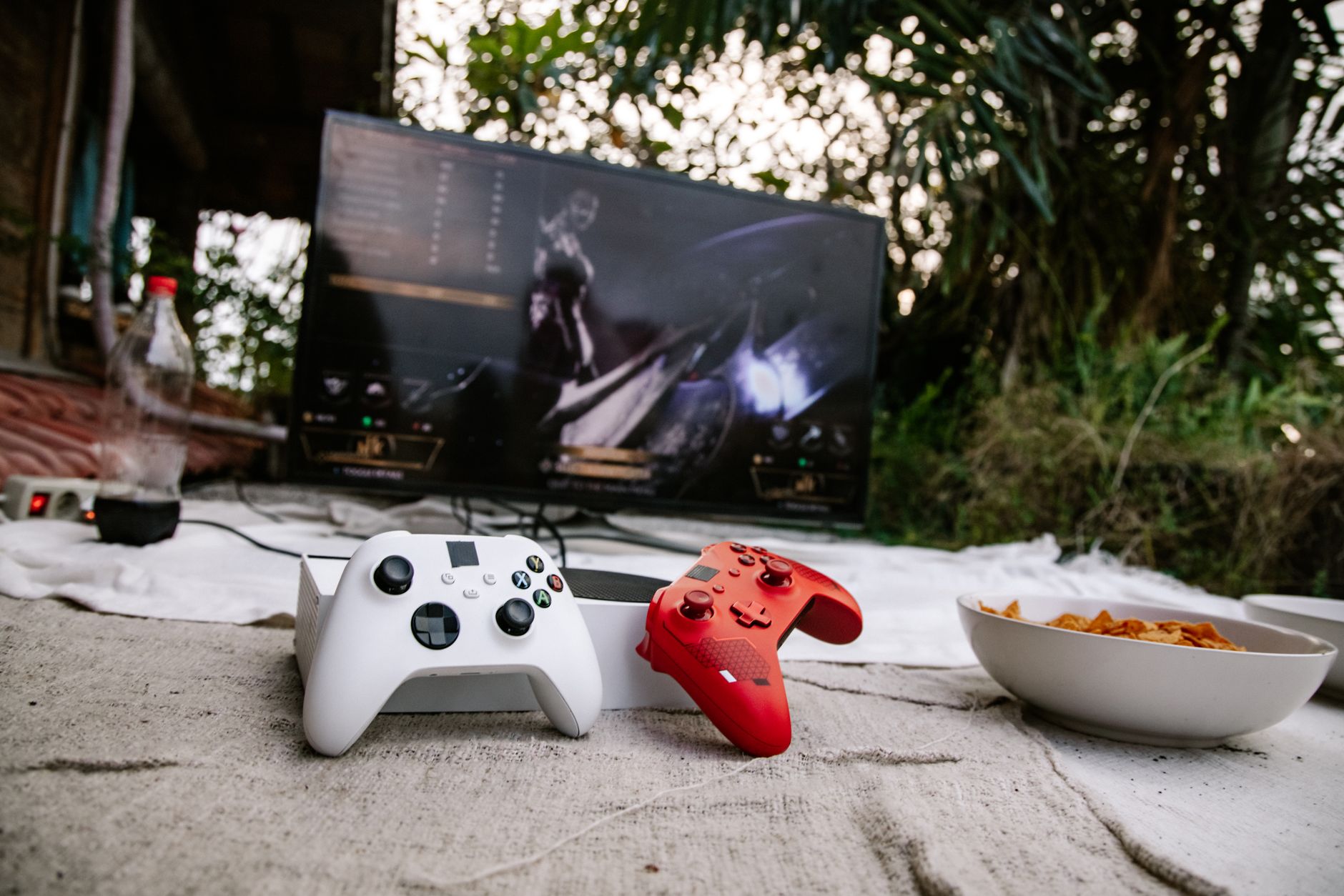
How the Three Tiers Divide the Library
Essential sits at the entry point at $9.99 a month and covers online console multiplayer plus a rotating selection of games. Premium, at $14.99, widens the catalog and adds Xbox-published titles, though those arrive within a year of release rather than on launch day. Ultimate is the full package: day-one access to new Xbox first-party games, the PC library, cloud gaming, and add-ons such as Ubisoft+ Classics and Fortnite Crew. Each rung is designed to make the next one look like a reasonable step up.
The structure reveals where Microsoft thinks the value lives. Ultimate is now the only tier that preserves the original Game Pass promise of playing a major Xbox release the day it ships. Everything below it is a library service with a delay. That makes the $15 gap between Premium and Ultimate the most important number in the whole system, because it is the price of timing.
The Price Math Subscribers Are Doing
Run the numbers over a year and the picture sharpens. Ultimate at $29.99 a month comes to $359.88 annually, which is roughly the cost of five full-price new releases. Premium works out to $179.88, so the day-one privilege carries a yearly premium of exactly $180. For a player who finishes two or three big games a year, that is a difficult sum to defend.
The monthly billing model also opens a tempting loophole. A subscriber who wants one specific launch can pay for a single month of Ultimate, play the game, and cancel. Even at the new price, that month costs less than buying most major releases outright, so subscription hopping is the rational move for anyone with a modest appetite. It is also the opposite of what a recurring-revenue product wants its customers to do.
Heavy players live in a different calculation. Someone who samples a dozen games a month, jumps between console and PC, and uses cloud play on a laptop still gets plenty for thirty dollars. Their cost per hour stays low, and the bundled extras add value they might otherwise buy separately. But these are the subscribers least likely to leave in the first place, which means the increase extracts more money from people who were already staying.
The casual middle is where the pressure lands.

What Microsoft Is Betting On
The bet is that Ultimate can stop being judged as a game catalog and start being judged as a bundle. Third-party subscriptions, a battle-royale perk, a PC library and cloud streaming all push the conversation away from “how many games can I play this month” toward “how much would these pieces cost separately.” The cloud piece matters especially as Microsoft pushes the service onto more screens, a thread explored in our look at Game Pass integration with smart TVs. A subscriber who streams on a television and a phone is getting more utility than the headline price suggests, if they actually use it.
There is also a plain financial logic underneath. Day-one releases from first-party studios cost serious money to build and market, and giving them away to subscribers means the subscription fee has to carry more of the load. At the same time, Xbox has been bringing a growing number of its games to rival consoles, which weakens the argument that a Game Pass subscription is the only way to play them. A higher price for the premium tier, paired with a delay for lower tiers, is one way to protect the value of being an Xbox subscriber while the exclusivity story shifts.
Where Loyalty Cracks
Price is only part of the friction. The more corrosive issue is the sense of moving goalposts. Ultimate has doubled from $14.99 to $29.99 in roughly two years, and the Standard tier introduced in 2024 was renamed Premium a year later with a changed value proposition attached. Subscribers who signed up for one deal keep finding themselves inside another. Loyalty in a subscription business depends on predictability, and each restructure invites people to reread the terms and ask whether they still agree with them.
Library churn adds to the unease. Games leave the catalog on a regular schedule, so a subscriber’s backlog can quietly expire while the monthly charge continues. Owning a game means keeping it forever. Renting access means the rental price has to feel worth it every single month, and a 50 percent increase makes that test harder to pass.