


A New Game Reopening Old Wounds
Donkey Kong Bananza has done something no Nintendo Direct trailer or anniversary retrospective managed to pull off: it has put Rare back at the center of gaming conversation. The game’s release on Nintendo Switch 2 has drawn widespread praise for its destructible environments, layered world design, and a creative energy that feels distinctly different from Nintendo’s usual output. And that difference is exactly what is sending longtime fans back to ask the question that has quietly haunted the Donkey Kong franchise for two decades – what would this series look like if Rare had never left?
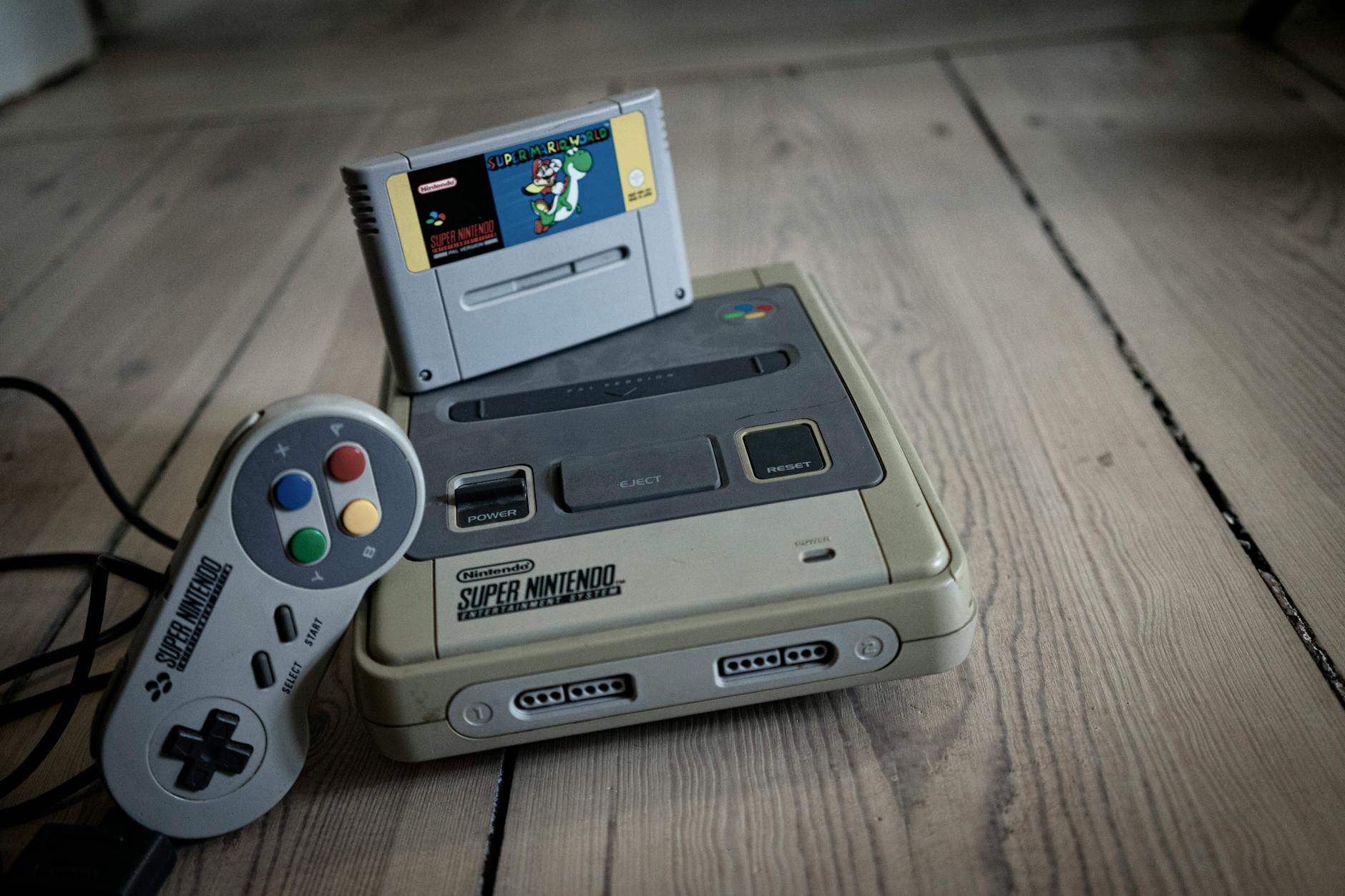
Rare developed the original Donkey Kong Country trilogy for the Super Nintendo and later Donkey Kong 64 for the N64, establishing a visual and tonal identity for the franchise that felt unlike anything else Nintendo was producing at the time. When Microsoft acquired Rare in 2002, the Donkey Kong rights stayed with Nintendo, but the creative team responsible for building the franchise walked out the door. What followed was a long stretch of silence for the IP, broken eventually by Retro Studios picking up the baton with Donkey Kong Country Returns and Tropical Freeze.
Bananza feels different enough from those Retro entries that fans are noticing.
What Bananza Is Actually Doing to the Conversation
The debate is not really about Rare as a company in its current form. The studio that shipped Donkey Kong Country 2 and Banjo-Kazooie in the 1990s bears little resemblance to the Microsoft-owned operation producing Sea of Thieves and Everwild today. The original creative talent scattered across the industry long ago, with many of them forming Playtonic Games and releasing Yooka-Laylee as a spiritual successor to their Rare-era work. What the debate is actually about is a creative philosophy – a willingness to push texture, challenge, and world-building complexity in ways that felt ahead of their time.
Bananza is bringing that philosophy back into focus because it shares some of that restless energy. The game builds its identity around physical destruction as a core mechanic, letting players tear through environments in ways that reward curiosity. That kind of systemic, player-driven interaction is not something Nintendo typically deploys in its flagship platformers, and the reception to it has been sharp enough that comparisons to the Rare era started appearing almost immediately after the first hands-on previews. Whether those comparisons are entirely fair is a separate argument. The point is that they are happening at all, and that says something about what players feel has been missing.
Nintendo’s own design language has always leaned toward elegance and restraint. Rare’s Nintendo-era work was messier, denser, and sometimes stranger – and that contrast is what the current wave of nostalgia is really chasing. Bananza lands in that gap and makes it visible again. As explored in coverage of Bananza’s open world design, the game’s structural ambition is already putting pressure on how Nintendo approaches its other major platforming franchises, which speaks to just how loud its arrival has been.
The Retro Studios Problem
Any honest version of this conversation has to acknowledge what Retro Studios did right. Donkey Kong Country Returns and Tropical Freeze are genuinely strong games – tightly constructed, visually confident, and respectful of the series’ identity without being purely derivative. Tropical Freeze in particular earned serious critical respect for its challenge design and soundtrack work from David Wise, who composed the original trilogy’s music at Rare. Hiring Wise back was not an accident. Nintendo understood that a piece of the Rare-era magic was sonic, and they went and got it.
But Retro’s Donkey Kong games always felt like preservation work more than expansion. They honored the Rare template rather than pushing past it, which made them excellent entries in a franchise context while leaving the broader question – where does Donkey Kong go from here – unanswered. Bananza, developed internally at Nintendo EPD, is the first game in the series in years that reads as a genuine answer to that question rather than a tribute to an older one. That is the distinction driving the current conversation.
It also raises an uncomfortable implication. If Nintendo EPD can do this with Donkey Kong now, what does that say about the years between Tropical Freeze and Bananza, when the franchise sat dormant? The talent was always there. The appetite from fans was always there. The IP never went anywhere. The long gap between major entries was a choice, and players are processing that alongside their excitement about the new game.
Legacy Does Not Wait for Permission
The Rare legacy debate will not resolve itself because it is not actually a debate with a clean answer – it is a feeling about a lost creative moment that Bananza has accidentally made louder, and Nintendo now owns both the problem and the only game good enough to remind everyone the problem exists.
Frequently Asked Questions
Did Rare make Donkey Kong Bananza?
No. Bananza was developed by Nintendo EPD. Rare developed the original Donkey Kong Country trilogy and Donkey Kong 64 before being acquired by Microsoft in 2002.
What happened to the Rare developers who made the original Donkey Kong Country games?
Many of the original Rare developers went on to form Playtonic Games, which released Yooka-Laylee as a spiritual successor to their Rare-era work.