


A New Kind of Physics Playground
Donkey Kong Bananza is doing something most Switch 2 launch-window games have only hinted at: it is using the hardware’s power not for prettier cutscenes, but to rebuild how a 3D platformer world actually behaves.
Everything Can Be Broken, and That Changes Everything
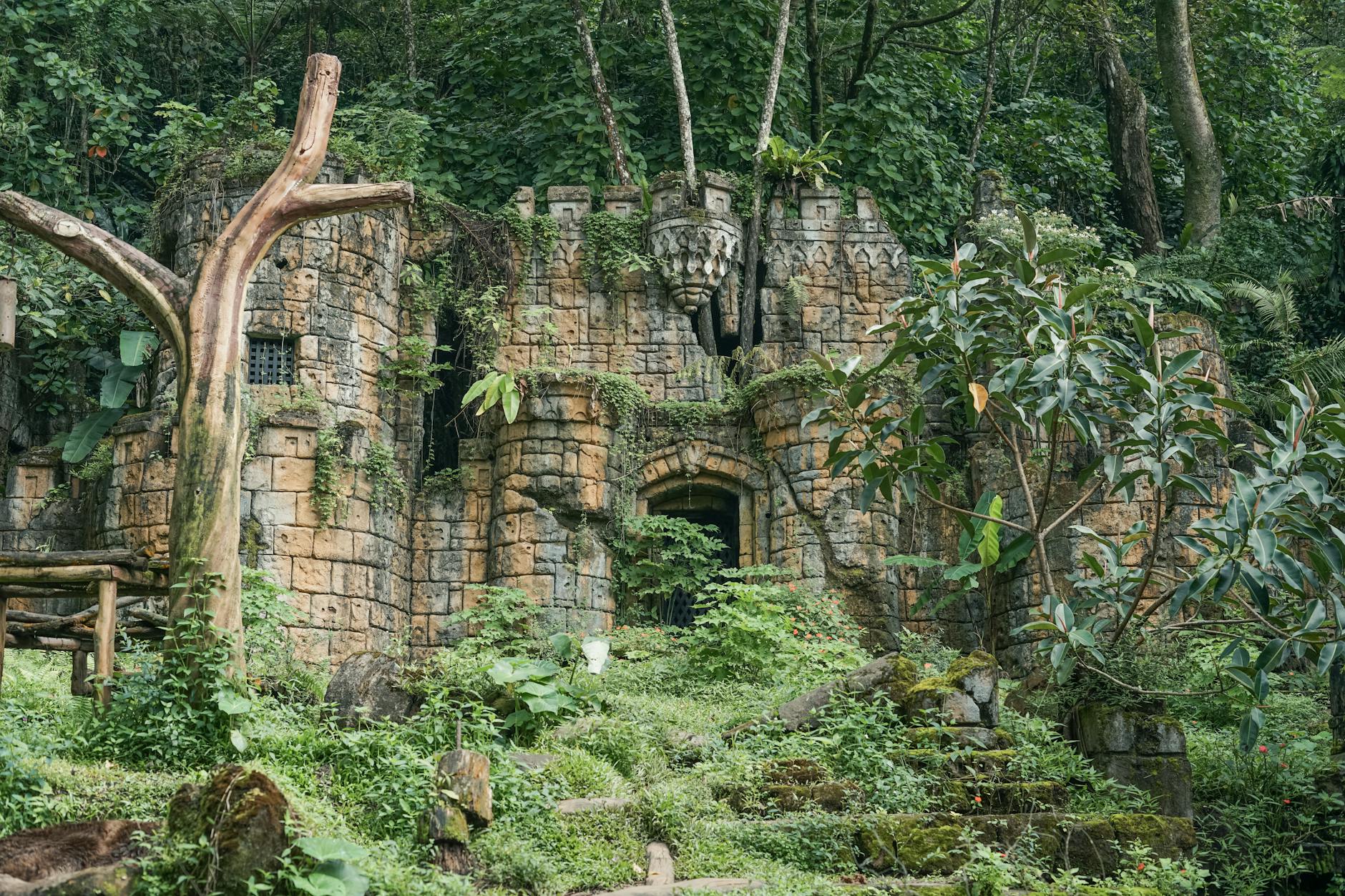
The central promise of Bananza is full environmental destruction. Nearly every surface in the game – rock walls, terrain layers, enemy structures, entire cliff faces – can be punched, clawed, or tunneled through by Donkey Kong. This is not a cosmetic trick where a wall cracks and disappears on a timer. The geometry genuinely deforms, collapses, and reacts to where and how hard you hit it. Players can carve their own paths through levels rather than follow a layout the designer pre-approved.
What makes this technically demanding is the real-time calculation required to track deformation across large play spaces. Traditional platformer engines define collision once, at load time, and that shape stays fixed until a scripted event changes it. Bananza throws that model out. The terrain is treated as a dynamic object throughout every second of gameplay, which means the Switch 2 hardware is continuously recalculating which surfaces exist, where they begin and end, and how DK’s movement should respond. That kind of persistent physics simulation is expensive, and running it at a stable frame rate on a handheld-capable console is a genuinely hard engineering problem.
Nintendo’s development team has structured the destruction around layers, both visually and mechanically. Levels are built with distinct geological strata – think soft topsoil giving way to harder rock, which gives way to something else entirely deeper down. Each layer has different resistance, different sound design, and different visual feedback when broken. The game teaches players to read terrain the way a mining sim might, scanning surfaces for weak points and planning an approach before diving in. That layering also serves a design function: it creates natural pacing checkpoints without invisible walls or loading screens.
The destruction system connects directly to movement in ways that go beyond just “smash a wall to find a secret.” Tunneling downward through soft ground creates traversal shortcuts. Knocking out a support column can drop a platform you need, or one you were standing on. Some puzzle solutions only exist because you removed something earlier in the level, which means the game can construct challenges around absence rather than presence. That is a design vocabulary most platformers have never had access to, simply because the physics did not allow it.
What This Demands from Switch 2 Hardware
The Switch 2’s upgraded CPU and GPU headroom over the original Switch is where Bananza’s ambitions become viable. The original Switch could run gorgeous platformers – Super Mario Odyssey proved that – but a fully destructible, geometry-rewriting world at scale would have required significant compromises in scope or resolution. Bananza appears to be running in a mode that prioritizes stable performance over maximum visual fidelity, a sensible trade-off when the gameplay depends on the physics being reliable rather than the lighting being spectacular.
The game’s art direction reinforces this choice. It leans into bold, saturated color and exaggerated shapes rather than photorealism, which means the engine is not spending resources on fine texture detail that would be lost the moment a player punches through it anyway. The visual style and the technical architecture are working together, not at odds.
One implication for third-party developers watching this launch is that Bananza establishes a baseline expectation for what Switch 2 game worlds can do. A platformer releasing after Bananza that ships with static, indestructible environments will feel behind the curve in a way it would not have before this game existed. That is a quiet form of pressure – not from Nintendo making demands, but from players having a new reference point for what “interactive environment” can mean.
Nintendo is also using the Game Chat feature tied to Switch 2’s hardware to let players share destruction moments in real time, which speaks to how well the company understands the viral potential of unpredictable physics. A wall collapse that happens differently every time, a tunnel that saves a run, a platform that was accidentally destroyed at the worst possible moment – these are the kinds of micro-stories players want to share, and they are only possible because the world actually changes.
The broader catalog question is whether Nintendo can sustain this level of technical ambition across its first-party lineup, or whether Bananza represents a single team’s focused bet on one mechanic done exceptionally well. Given how long the Donkey Kong franchise has waited for a mainline return, the development team clearly had time to go deep on one idea rather than broad across many.
The Standard Has Been Set Early
Launching a console with a showcase title that redefines environmental interaction is a deliberate move. Nintendo knows that the game players remember from a launch window tends to define how they describe the hardware to friends who have not bought in yet. Bananza gives Switch 2 owners something specific and demonstrable to point at – not just “it’s faster” or “the screen is better,” but “watch what happens when I punch this cliff.”

The real test will come when players spend forty or fifty hours with it and discover whether destruction is a mechanic that deepens or one that gets tuned out once the novelty wears off. Given how much of the demand surrounding Switch 2 has been driven by software expectations, Bananza arriving as a day-one title with a genuinely different physics system is either the best possible argument for the hardware, or a very high bar that most follow-up titles will quietly sidestep.