


When a Mechanic Disappears, So Does Muscle Memory
Barrel Cannons have been a signature piece of Donkey Kong’s DNA since Donkey Kong Country launched on the Super Nintendo. The mechanic – aiming and firing yourself across levels through a chain of rotating or stationary cannons – became one of the defining physical sensations of the series. It required timing, spatial awareness, and a kind of rhythmic confidence that players built over decades. So when Donkey Kong Bananza quietly strips that mechanic down to something far more passive and automated, the response from longtime fans has been less than enthusiastic.
The new game does include barrel-style launches. What it removes is the control.
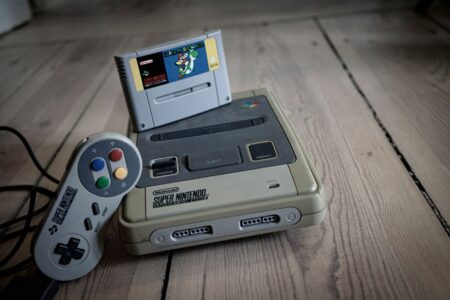
In several sequences throughout Bananza, players are fired from barrel cannons automatically, with trajectory locked and timing predetermined. There is no aiming phase, no window to hold and release, no moment where the cannon rotates and demands that you commit. You press a button and DK flies. The sequence resolves itself. It is quick, it is clean, and for anyone who grew up threading themselves through six cannons in a row with nothing but instinct and a thumping SNES controller, it feels wrong in a way that is hard to articulate but impossible to ignore.
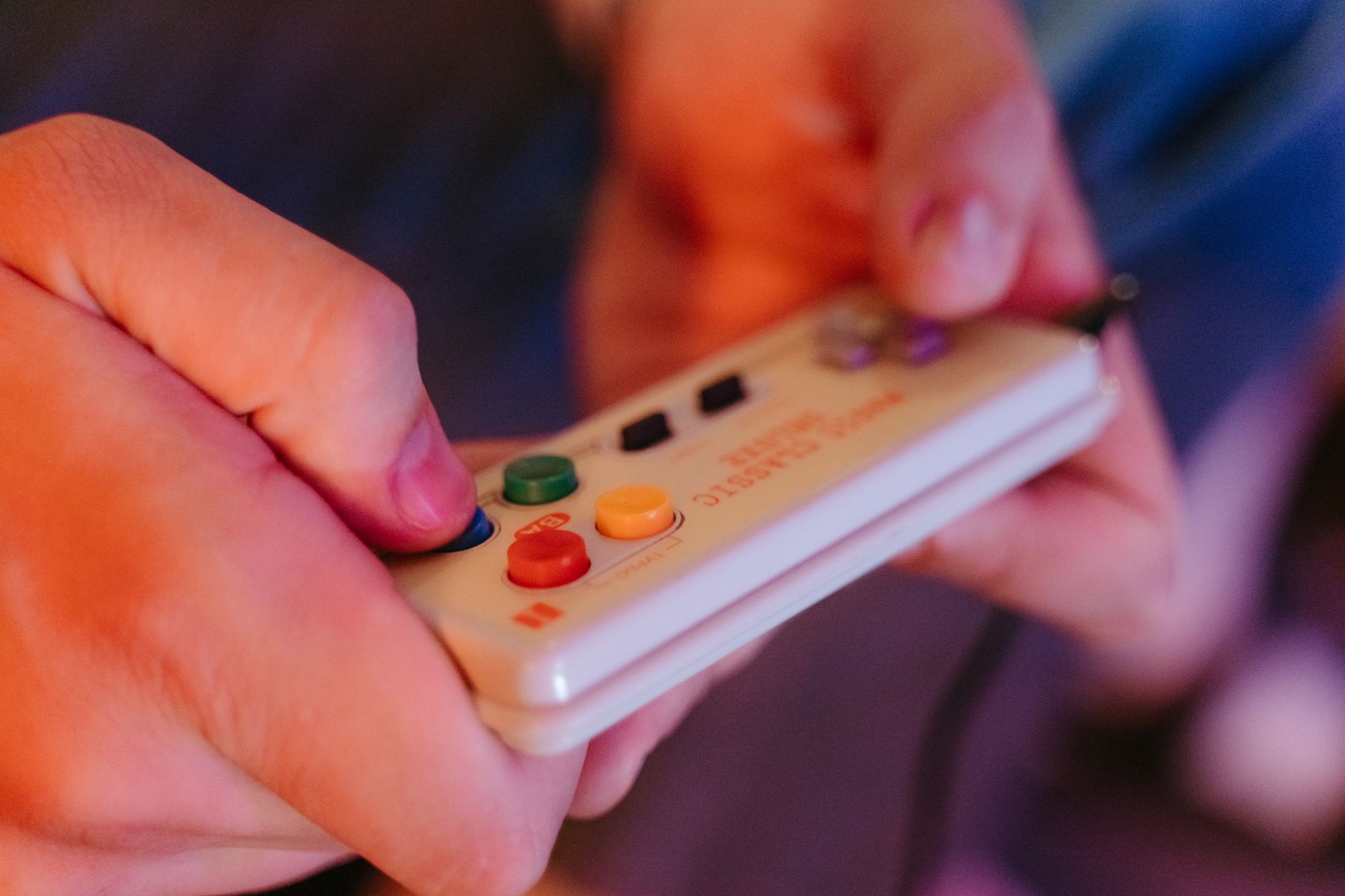
What the Original Design Actually Asked of You
The appeal of the classic barrel cannon mechanic was never really about spectacle. It was about the brief, pressurized negotiation between the player and the game. You watched the cannon rotate, you tracked its arc, and at some calculated moment you let go. Do it right and you thread a gap between platforms or land in the next cannon’s mouth with a satisfying thunk. Do it wrong and you fall, or worse, you sail helplessly into an obstacle you saw coming the entire time. That failure state is what gave the success its weight.
The Donkey Kong Country Returns and Tropical Freeze entries maintained this tension. Both games used barrel cannons extensively and treated them as skill checks. Some of the most memorable sequences in Tropical Freeze – among the best-reviewed 2D platformers of the last fifteen years – are built entirely around chaining manual barrel shots through fast-moving environments. The mechanic had evolved, but the core interaction remained: the player aims, the player fires, the player owns the result. That ownership is the entire emotional point.
Bananza is working in a different dimension, literally, as a 3D action-platformer with destructible terrain and an emphasis on brawling and exploration. The structural argument for simplifying barrel cannons is not unreasonable – the game’s camera and movement system are fundamentally different from a side-scrolling platformer. But the execution still matters, and right now the execution reads as an accessibility decision that was quietly applied to everyone without differentiation.

The Alienation Is Specific and Earned
Veterans are not upset about change in the abstract. The frustration is more specific: automated barrel cannons communicate, whether intentionally or not, that the game does not trust you with that mechanic. When a sequence resolves itself, it removes the possibility of failure, and in doing so it removes the possibility of genuine success. You cannot feel proud of a shot you did not take. The cannon fires, DK lands, the game moves on, and the player’s hands had almost nothing to do with any of it.
This connects to a broader pattern in Bananza that series veterans have been flagging since launch. The absence of a hard mode has already drawn attention from players who wanted the game to scale with their experience. The barrel cannon issue sits in the same category: not a broken mechanic, but a flattened one. The ceiling has been lowered in a way that protects newcomers from friction while quietly removing something that veterans understood as a reward for paying attention.
There is also a generational undercurrent here. Many of the players most bothered by this are people who learned precision platforming specifically through barrel cannons. The mechanic was the tutorial before tutorials were sophisticated. It taught you about commitment, about reading movement, about the cost of hesitation. Stripping it down is not just a design choice – for a subset of the audience, it reads as the erasure of a lesson the series once thought was worth teaching.
Nintendo Has Options It Has Not Taken
There is a version of this design that works for both audiences. A toggleable manual aim mode for barrel cannons – even tucked inside accessibility settings – would give veterans the friction they are looking for without touching the experience of players who prefer the automated version. Nintendo has shown it can thread this needle elsewhere; the real question is whether the team recognized the barrel cannon simplification as a tradeoff worth addressing, or whether it was treated as an uncontested call that nobody would push back on. Based on the current community response, that second assumption did not hold.
Frequently Asked Questions
Do barrel cannons work differently in Donkey Kong Bananza compared to older games?
Yes. In Bananza, several barrel cannon sequences fire automatically with locked trajectories, removing the manual aiming and timing the series was known for.
Is there a way to use manual barrel cannon controls in Donkey Kong Bananza?
As of launch, there is no toggleable option to restore manual barrel cannon aiming. The automated sequences apply to all players regardless of skill level.