



A Familiar Face, Conspicuously Missing
Donkey Kong Bananza has arrived with a lot to celebrate – a punishing new physics system, a world that crumbles under DK’s fists, and a roster of enemies that pulls generously from the franchise’s history. But for fans who grew up with the original Donkey Kong Country trilogy on the Super Nintendo, something keeps nagging at the edges of the experience. Necky, the rubber-necked vulture enemy that has appeared in some form across multiple classic DKC titles, is nowhere to be found in Bananza’s enemy lineup.
That absence might sound minor on paper. It is not, to a certain kind of fan. Necky was never a flashy enemy – no dramatic attack patterns, no boss energy. It was a recurring fixture, the kind of creature that players stomped on hundreds of times across multiple games without thinking twice, until it suddenly wasn’t there anymore. That quiet removal has become a specific, low-grade frustration bubbling through DKC communities since Bananza launched.

What Made Necky a DKC Staple
Necky appeared in the original Donkey Kong Country in two forms – the standard ground-level version and the larger Mini-Necky variant that would launch from hidden spots and spit projectiles at the player. Neither version was particularly dangerous to an experienced player, but both were visually distinctive and tonally perfect for the world Rare was building. The stretched neck, the hunched posture, the slightly menacing but cartoonish design – Necky looked like it belonged in the jungle world of Kongo Jungle in a way few enemies managed.
The enemy returned in Donkey Kong Country 3: Dixie Kong’s Double Trouble! under the name Neckys, maintaining enough visual similarity to register as the same creature family. That kind of continuity across titles is what builds mythology in a game series. When players see a returning enemy, it creates a sense that the world has internal logic, that these creatures live somewhere in the DK universe beyond just the levels they inhabit. Necky, across its appearances, quietly contributed to that texture.
What makes Necky’s absence sting more than, say, a missing barrel type or an absent collectible is that vulture-like enemies with stretching attacks are not exactly a crowded design space. There was room for it in Bananza. The game’s underground world aesthetic could have supported a cave-dwelling vulture variant without any narrative strain. Instead, Nintendo and the development team chose not to revisit it, and that decision lands differently depending on how attached a player is to the original trilogy’s enemy roster.
Bananza’s Complicated Relationship With the Classic Roster
Bananza does bring back a meaningful selection of classic enemies. Kremlings appear in new configurations, certain animal buddy callbacks are present, and the overall design language of the game nods consistently toward the SNES era. So the game is not ignoring its history. It is making choices about which pieces of that history to highlight, and Necky did not make the cut.
The pattern of these omissions is worth paying attention to. Necky is not alone – other classic DKC enemies have been left out of Bananza’s world, and each absence has generated its own quiet corner of fan frustration. Whether that is a deliberate effort to keep the game’s enemy encounters fresh for new players, or simply a practical matter of scope and development resources, the result is the same: longtime fans are playing through levels half-expecting a familiar face and finding only new ones.
Why These Omissions Land Differently Than Missing Items
There is a specific emotional register to missing enemies that does not apply to missing items or mechanics. A player can accept that a game chose not to include a particular power-up or collectible type. Enemies are different because they are the primary texture of moment-to-moment gameplay. They are what you fight, what you fear briefly, what you dismiss confidently once you know their patterns. They are the grammar of the game world.
For DKC fans, Necky is not just a defeated enemy in a memory – it is a sensory anchor. The specific timing of jumping on its extended neck, the way the Mini-Necky variant forced a different approach, the placement of Necky enemies near ledges to punish careless players. These are micro-experiences that add up to a relationship with a creature over the course of an entire franchise. When that creature doesn’t appear in a new entry, the absence reads less like an oversight and more like a gentle erasure.
This also connects to a broader dynamic in long-running platformer series: the tension between introducing new enemy designs and honoring the creatures that built the franchise’s identity. New enemies are necessary for a game to feel like its own thing rather than a remake. But when a series has a tight, beloved enemy roster from its original run, every new face that replaces a classic one is a trade-off that not everyone will accept quietly. Bananza’s new enemies are well-designed, but they are not Necky.
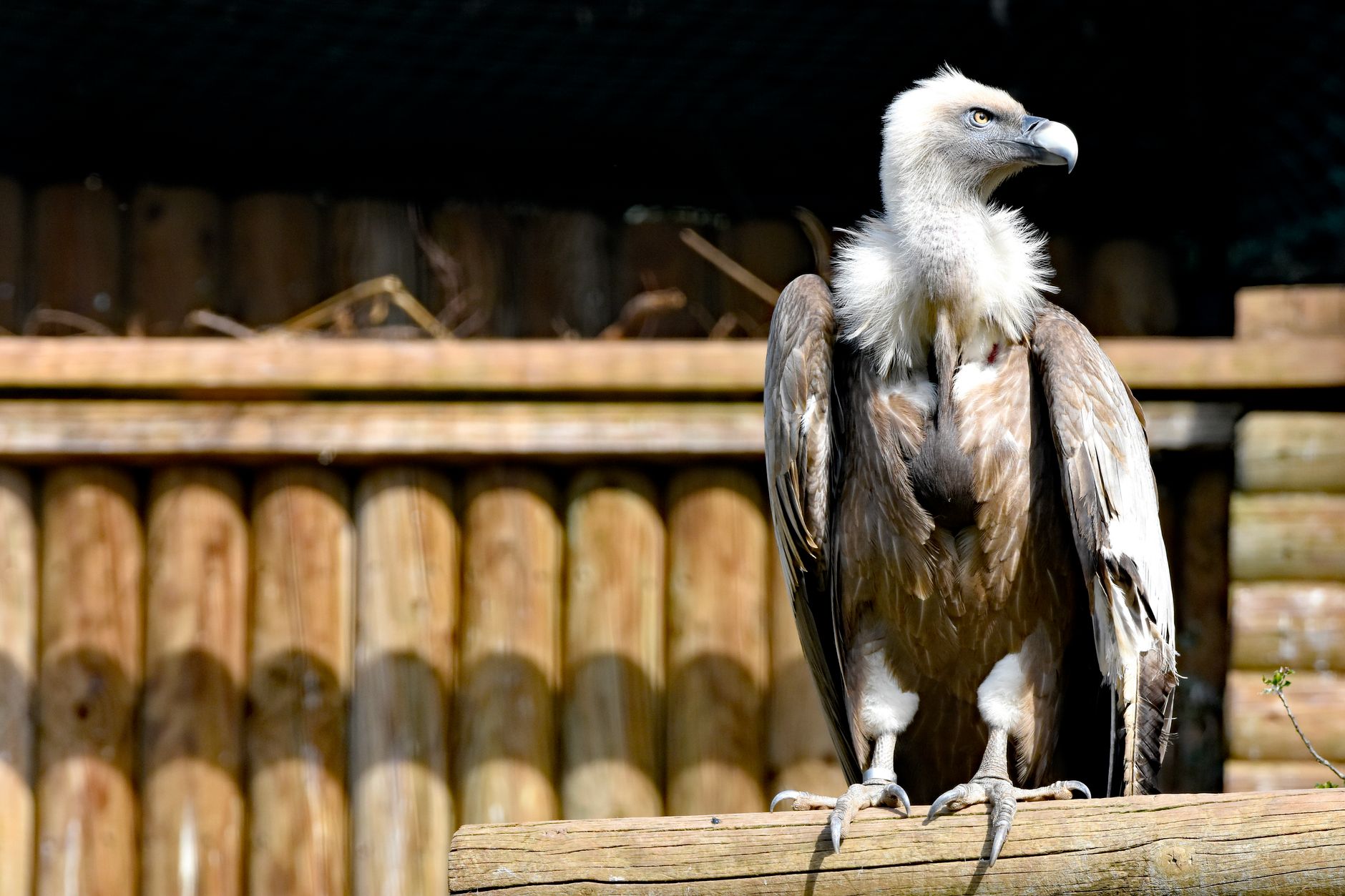
It is also worth considering what Necky represented in terms of design philosophy. The original DKC team at Rare built enemies that were simple in mechanic but visually memorable – creatures that communicated their behavior through appearance alone. Necky’s long neck told you exactly what it would do before it did it. That clarity, combined with a distinctive silhouette, is why the character stuck around across multiple titles. Recreating that kind of enemy in a modern context is not impossible, and the fact that Bananza didn’t try to is the source of the specific disappointment fans keep returning to. The Necky slot in this game simply went unfilled, and players who remember what used to occupy it keep noticing the gap.
Frequently Asked Questions
Is Necky in Donkey Kong Bananza?
No, Necky does not appear in Donkey Kong Bananza. The classic vulture enemy from the original DKC trilogy is absent from the game’s enemy roster.
What games did Necky appear in originally?
Necky appeared in the original Donkey Kong Country on SNES and returned in Donkey Kong Country 3: Dixie Kong’s Double Trouble, in both standard and Mini-Necky variants.