


A Fan Favorite Feature, Still Missing
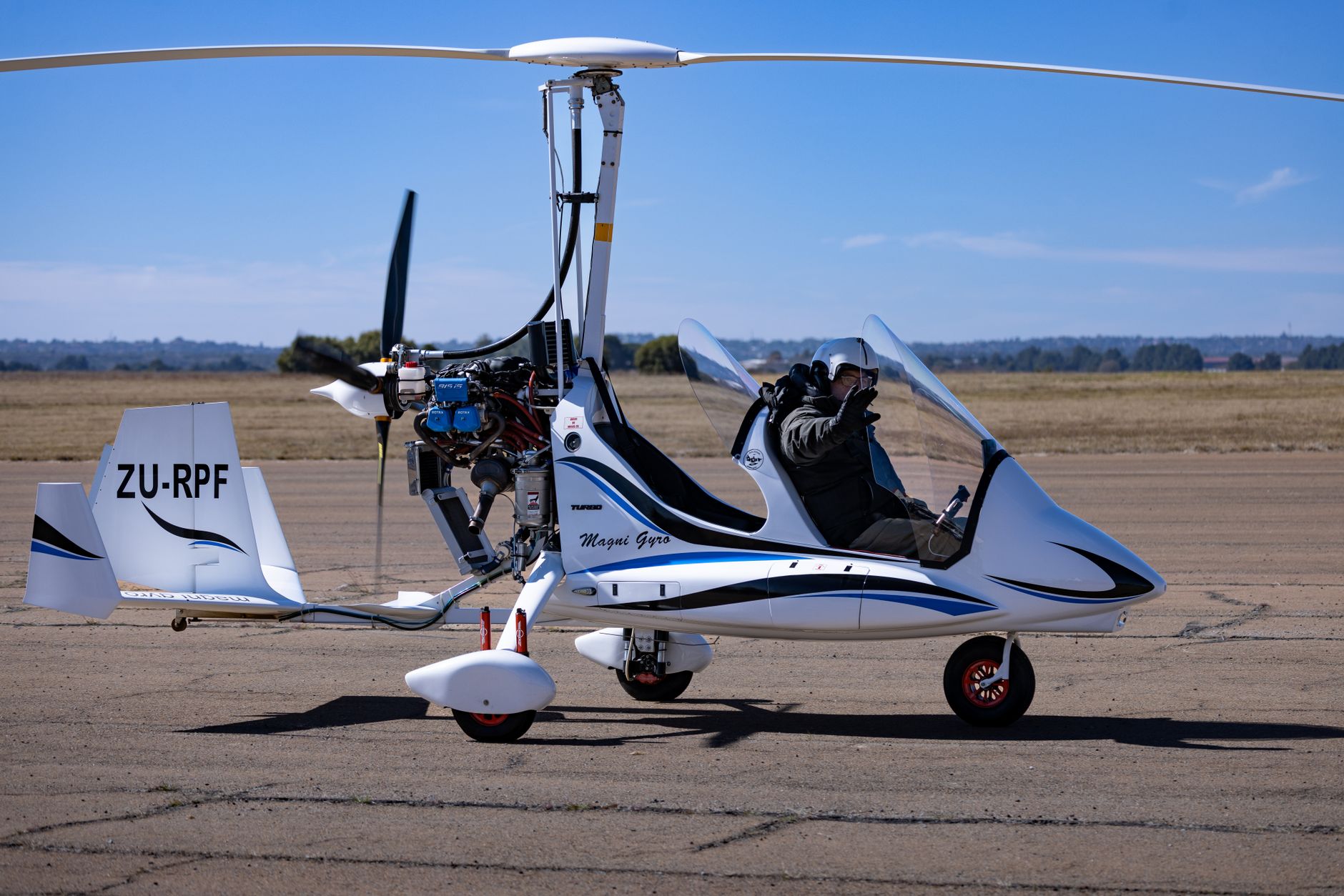
Donkey Kong Bananza has arrived with enough barrel-smashing energy to satisfy longtime fans of the franchise, but one community keeps checking the skies and finding them empty. Players who grew up with Donkey Kong Country Returns have been waiting for Funky Kong’s gyrocopter to make some kind of appearance – a cameo, a collectible, a background detail, anything – and so far, the game has given them nothing to hold onto.
This is not a small nostalgic itch. The gyrocopter was the backbone of Funky’s shop system in DKCR, the visual shorthand for his entire personality, and for a generation of players, it is as tied to the Donkey Kong identity as banana coins or barrel cannons. Its absence in Bananza feels less like an oversight and more like a deliberate editorial choice – and that choice is landing hard with a specific slice of the fanbase.

What the Gyrocopter Actually Meant
In Donkey Kong Country Returns, Funky Kong’s shop was a reliable anchor in each world. You approached it, the gyrocopter sat there like a mechanic’s garage sign, and the whole interaction carried a laid-back, tropical-workshop energy. The vehicle was never playable, never central to the plot, but its consistent presence turned Funky from a throwaway character into a recognizable institution. His shop became one of those optional corners of the game that players visited out of affection as much as necessity.
That context matters when measuring the disappointment in Bananza. The gyrocopter was not just a prop – it was Funky’s signature. And Funky himself has a complicated history in Nintendo’s handling of the DK franchise, having appeared, disappeared, and resurfaced across various entries with no consistent logic. When a new mainline DK game drops and he’s either sidelined or stripped of his visual identity, fans who bonded with the DKCR version of the character feel that gap acutely.
The Pattern Fans Keep Noticing
This is not the first time Bananza has left DKCR fans staring at an empty space where a familiar element used to be. Funky’s surfboard, another iconic piece of his visual identity from that same era, has also gone unacknowledged, and the combination of absences is starting to feel like a pattern rather than a coincidence. It raises a real question about how Nintendo is approaching the DKCR legacy in Bananza’s design philosophy.
The frustration here operates on two levels. On the surface, fans want recognition – a nod, an Easter egg, something that says the developers remember where these characters came from. But underneath that, there is a more serious concern: that the DKCR era of DK history is being treated as a soft reset rather than a foundation to build on. Bananza is charting its own course, which is admirable, but continuity of iconography matters to communities built around specific entries.
It is worth separating the general DK fanbase from the DKCR-specific community here. Players who came to Donkey Kong through the original SNES trilogy, or through DK64, have their own separate wish lists and grievances. The DKCR crowd has a particular attachment to Retro Studios’ aesthetic – the warmer color palette, the island-world structure, the specific version of Funky that came with it. Bananza does not look or feel much like DKCR, and that stylistic distance makes the missing callbacks sting more.
What would it actually take to satisfy this community? Probably less than Nintendo might assume. A gyrocopter parked in the background of a hub area, a silhouette on a loading screen, Funky referencing his old shop in a single line of dialogue – these are low-cost gestures that carry disproportionate weight for invested fans. The absence of even that minimum is what converts mild disappointment into the kind of vocal frustration showing up in forums and comment sections right now.
Funky Kong’s Unresolved Identity
Part of what makes this complicated is that Funky Kong as a character has never had a single settled identity across the franchise. He has been a shopkeeper, a side character, a playable fighter in Mario Kart 8 Deluxe, and a more prominent playable option in DKCR’s 3DS port. Each version emphasizes something different, and the gyrocopter only belongs to one specific chapter of that history. Nintendo has never committed to any single interpretation of Funky long enough for it to become truly canonical.
That instability is exactly why the DKCR community holds onto its specific touchstones so tightly. If the franchise keeps reshaping these characters with each new release, then the moments of attachment fans have formed around particular designs and props become increasingly fragile. The gyrocopter is a symbol of a version of DK media that many players fear is quietly being phased out.
Where This Leaves DKCR Players
Bananza is, by most accounts, a strong game on its own terms. The mechanics are inventive, the world design takes the franchise somewhere genuinely new, and DK himself feels more expressive than he has in years. None of that erases the fact that a particular subset of fans is playing through it with a running mental checklist of absences.
The gyrocopter is near the top of that list – not because it is the most spectacular thing missing, but because of what it represents. It was a quiet constant in DKCR, the kind of detail that becomes invisible until it disappears. And now that it is gone, it is suddenly very visible.
If post-launch updates, DLC, or future entries eventually fold some of these DKCR callbacks back in, the reception from that community will be immediate and enthusiastic. But Bananza launched without them, and launch impressions are the ones that stick.
Frequently Asked Questions
Is Funky Kong in Donkey Kong Bananza?
Funky Kong’s role in Donkey Kong Bananza is limited, and his signature gyrocopter from Donkey Kong Country Returns has not appeared in the game in any form.
Why do DKCR fans care about the gyrocopter?
In Donkey Kong Country Returns, Funky’s gyrocopter was a constant visual presence at his shop across every world, making it a defining symbol of his character in that era of the franchise.