



Xenoblade Chronicles has spent years being recommended in hushed tones, passed between JRPG fans like a secret worth keeping. That dynamic is changing, and not slowly.
From Cult Favorite to Unavoidable Conversation
The series launched in Japan in 2010 with Xenoblade Chronicles on the Wii, and its path to Western release was a grassroots campaign – Operation Rainfall – that pushed Nintendo of America to localize it at all. That origin story set the tone for everything that followed: a fanbase that fought for the franchise, that treated each new entry as a minor miracle. For years, that underdog identity was part of the appeal. You watched the credits roll on Xenoblade Chronicles 2 or 3 and immediately wanted to recommend it to someone, knowing full well most people had never heard of it.
Xenoblade Chronicles 3 shifted that trajectory in a measurable way. Released in July 2022, it moved faster than any previous entry in the series and held chart positions longer than Nintendo or fans likely anticipated. The game’s scope – a 100-plus-hour story with a cast of six interconnected protagonists and a thematic weight that openly wrestled with mortality and purpose – generated the kind of extended online discourse usually reserved for bigger-budget releases. Reddit threads, YouTube essays, and TikTok edits of story moments kept circulating months after launch.
What changed is not the quality of the games. Xenoblade was always technically and narratively ambitious. What changed is the audience’s bandwidth for long-form JRPGs on a console that fits in a bag. Switch ownership brought millions of players to the genre who might never have sat down at a television for a 90-hour RPG. The portability factor lowered the commitment barrier just enough that Xenoblade’s length stopped being a warning label and started being a selling point.
The Xenoblade 3 expansion, Future Redeemed, added another layer. Releasing as paid DLC in April 2023, it functioned less like bonus content and more like a full story conclusion that tied together threads from across the entire series. Players who finished it described the experience as emotionally payoff-heavy in a way that stoked retroactive interest in older entries. New fans started the series from the beginning. Series veterans replayed earlier games with fresh context. That kind of generational pull within a single franchise is rare and tends to compound rather than fade.

Why the Momentum Feels Different This Time
Xenoblade’s growth is not riding a single viral moment or a celebrity endorsement. It is building through accumulated word-of-mouth that has been running for three years without a significant break. The consistency of that conversation – not a spike followed by silence, but a steady presence in gaming spaces – points to something more durable than hype. When a game keeps getting mentioned in “what should I play next” threads eighteen months after release, that is a community doing active recruitment work.
The series also benefits from Nintendo’s increasing willingness to give it visibility. Xenoblade now appears in Nintendo Directs with dedicated segments rather than brief title-card mentions. Merchandise, amiibo releases, and crossovers in games like Super Smash Bros. Ultimate – where Pyra and Mythra from Xenoblade Chronicles 2 were added as fighters – put the series in front of audiences who had never considered playing it. Smash in particular has a documented history of creating entry points for Nintendo franchises. Players who mained Pyra in competitive play started asking questions about where she came from.
There is also a content creator ecosystem that has grown up around the franchise. Long-form video essays analyzing Xenoblade’s lore, its philosophical underpinnings, and its director Tetsuya Takahashi’s career have accumulated millions of views across multiple creators. This kind of analytical coverage signals that a game has crossed from “thing people played” to “text worth studying,” which is a different category of cultural engagement. It is the same process that elevated games like Hollow Knight and Disco Elysium into permanent reference points despite their niche origins. Paper Mario’s struggle to recapture similar long-tail enthusiasm makes the contrast even sharper.
Monolith Soft’s role inside Nintendo’s ecosystem has also quietly grown. The studio contributed staff and environmental work to The Legend of Zelda: Breath of the Wild and Tears of the Kingdom, which raised its profile among Nintendo fans who had no prior connection to Xenoblade. Knowing that the team behind the expansive open worlds of Hyrule also built the Bionis and Aionios creates a natural bridge for curious players to cross.
The series’ storytelling approach deserves attention as a specific driver. Xenoblade games do not shy away from grief, moral ambiguity, or endings that refuse to be clean. In an era where many major releases sand down emotional edges for accessibility, the franchise’s willingness to go dark and stay there has built a loyal audience that talks about these games the way people talk about formative novels. That emotional intensity is difficult to manufacture and nearly impossible to fake. It is either there or it isn’t, and when players feel it, they don’t stay quiet about it.
What Comes Next Has Weight Behind It
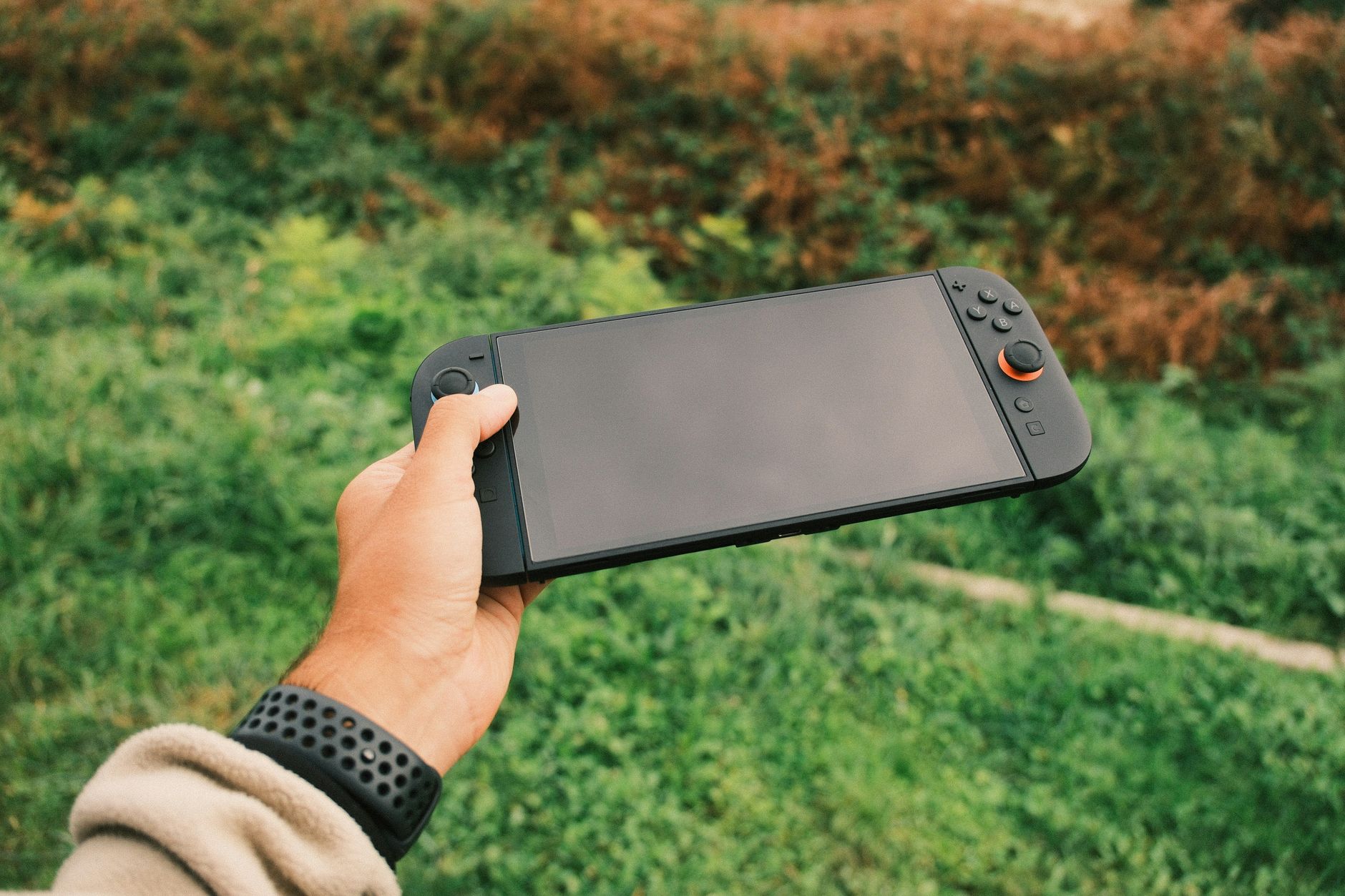
Nintendo Switch 2 launches with a fanbase primed for exactly what Xenoblade delivers. If Monolith Soft is developing a new entry – and given Takahashi’s comments about ongoing work, that appears likely – it arrives with more goodwill and recognition than any previous Xenoblade release has had. The series no longer needs to introduce itself from scratch. It has a back catalog that players actively recommend, a story mythology that rewards deep engagement, and a community that has spent years making the case on the franchise’s behalf.
The niche label was never really about quality. It was about reach. And reach, right now, is the one thing Xenoblade is no longer short on. The real question is whether a bigger audience changes what the series is willing to risk, or whether Monolith Soft keeps making the exact game it wants to make and trusts that the audience will keep growing around it.