

A Clock Nobody Set Is Ticking
Xenoblade Chronicles 3 launched in July 2022 to strong reviews and genuine fan enthusiasm, capping a trilogy that took nearly a decade to build. Now, with the Nintendo Switch winding down and the Switch 2 arrival reshaping the digital storefront, a growing number of JRPG players are asking an uncomfortable question: how long before Nintendo quietly removes it from sale? The game has never been ported, never received a “Definitive Edition” treatment, and sits on aging hardware with no confirmed future on the new platform.
This isn’t a rumor Nintendo has confirmed or denied. There’s no official delisting date, no press release, no warning. That silence is precisely what’s fueling the concern. When a beloved title disappears from a digital storefront without a successor version waiting in the wings, fans who missed it the first time simply lose access. And with the Switch era officially giving way to new hardware, that scenario feels closer than it ever has before.
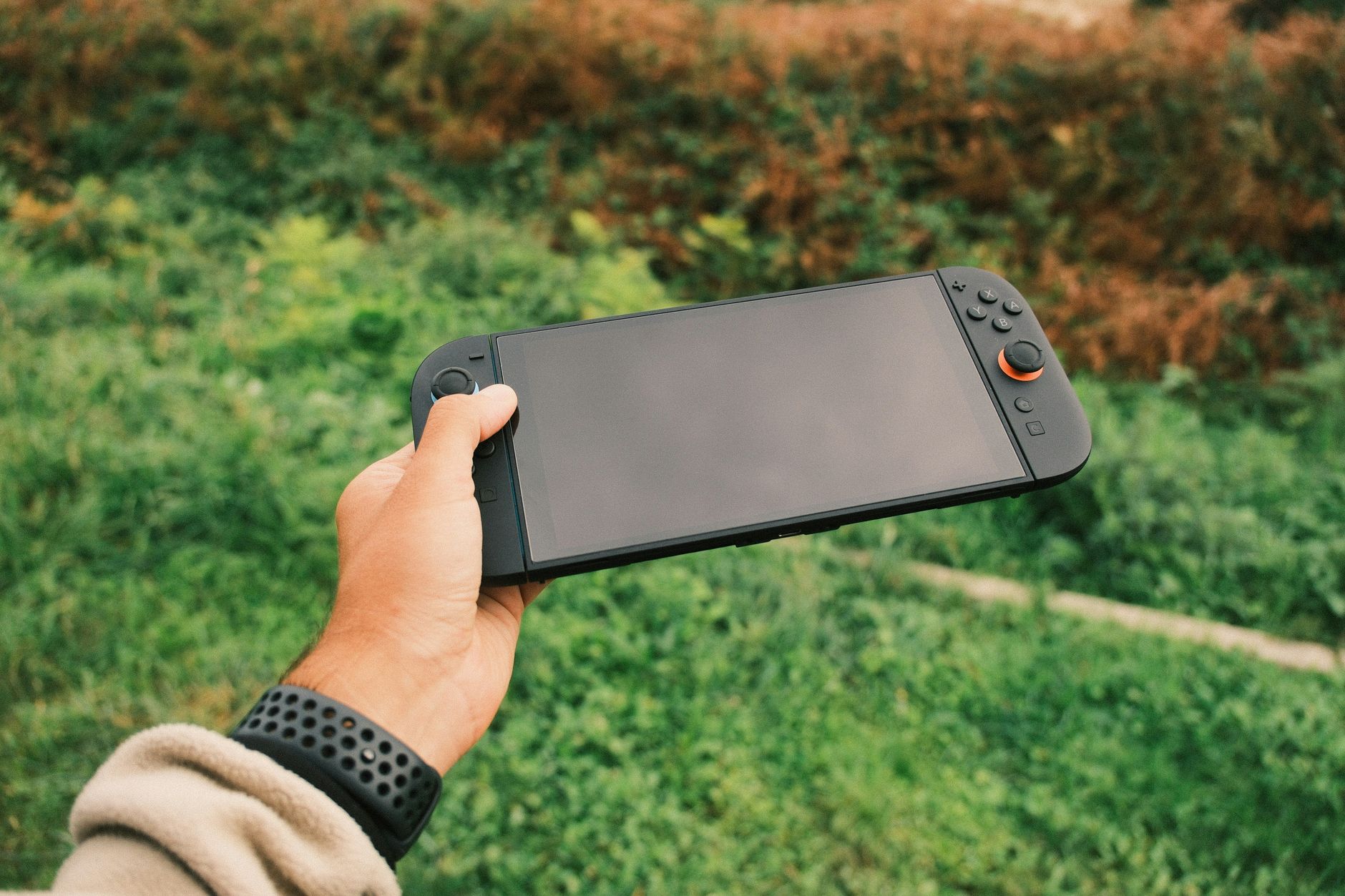
Why the Switch Transition Creates Real Risk
Nintendo has a complicated history with digital preservation. The Wii Shop Channel closed in 2019, taking hundreds of WiiWare and Virtual Console titles with it. The 3DS and Wii U eShops followed in March 2023, wiping access to libraries that included titles never released in physical form. Nintendo did not migrate those games to the Switch automatically, and many remain inaccessible to this day unless you own the original hardware. That pattern is not reassuring context for anyone holding a digital-only copy of Xenoblade Chronicles 3 and wondering what Switch 2 library management looks like five years from now.
The Switch 2 launched with backward compatibility for physical Switch cartridges, which offers some protection. But digital licenses exist in a murkier space. A player who bought Xenoblade Chronicles 3 digitally on Switch can currently re-download it, but that access depends entirely on Nintendo maintaining the game’s listing in the eShop. If Nintendo deprioritizes Switch software maintenance as Switch 2 titles dominate the storefront, older entries could quietly drop off without any formal announcement – a practice Nintendo has used before with minimal consumer notice.
The game’s size also works against it. At roughly 13GB, Xenoblade Chronicles 3 is a substantial download, and the base game doesn’t include the Expansion Pass content that adds the “Future Redeemed” story arc. Players who want the full experience need both purchases. If either component gets delisted separately – the base game or the expansion – the problem compounds. Someone buying the expansion later to complete a collection they started years ago could find themselves unable to purchase it at all.
Physical copies exist, but the print run situation is not clean either. Xenoblade Chronicles 3 received a physical release, but it’s not a game you can reliably walk into a major retailer and find on the shelf in 2025. Secondary market prices have already crept up. For players in regions where Nintendo’s physical distribution was limited to begin with, “just buy a cartridge” is not a practical fallback option. The Xenoblade Chronicles X Definitive Edition release demonstrated that Nintendo is willing to revisit the franchise for new hardware – but that game had been stranded on a dead platform with no other options. Xenoblade Chronicles 3 is technically still accessible, which may reduce the urgency Nintendo feels to act.
The Franchise Stakes Are Higher Than One Game
Xenoblade Chronicles 3 isn’t just a standalone title – it’s the narrative conclusion of a story that began with the original Xenoblade Chronicles and continued through Xenoblade Chronicles 2. Monolith Soft designed the third game to reward players familiar with both predecessors, pulling threads from years of worldbuilding and character work. If access to the third game becomes difficult or expensive while the first two remain available on modern hardware (Xenoblade Chronicles: Definitive Edition and Xenoblade Chronicles 2 are both still listed on Switch), the trilogy becomes structurally incomplete for new players entering the franchise.
That’s a problem for the franchise’s long-term health. A player who picks up Xenoblade Chronicles: Definitive Edition on Switch 2 through backward compatibility, finishes it, buys Xenoblade Chronicles 2, and then discovers that the third game is either delisted or only available on secondary market for $80 is a player who doesn’t finish the story. That’s a loss for Monolith Soft, a loss for Nintendo, and frankly a loss for a franchise that built its audience through word-of-mouth over many years of patient investment.
What Nintendo Could Do – And What It Hasn’t
The most obvious solution is a Switch 2 port or Definitive Edition treatment for Xenoblade Chronicles 3, ideally bundling the Expansion Pass content. Nintendo could announce it at any time. The framework already exists – the original Xenoblade Chronicles got exactly that treatment, adding content, rebalancing systems, and arriving on a new platform. Doing the same for the third game would reset the clock on access concerns and give the trilogy a clean ending point on current hardware.
Nintendo has not announced this. There’s been no hint at a Nintendo Direct presentation, no trademark filing that’s surfaced publicly, no developer interview where Monolith Soft has teased a re-release. The company tends to announce things on its own timeline with little external pressure moving the needle, which means fans are left watching an empty calendar and drawing their own conclusions. Nintendo’s silence on Xenoblade Chronicles 3’s future isn’t unusual by the company’s standards – but the Switch 2 transition has sharpened how that silence lands.
The other option is simply maintaining the Switch eShop listing indefinitely, as Nintendo has stated it intends to support Switch software alongside Switch 2. That support has a vague end date attached to it – Nintendo has suggested it will maintain Switch game availability “for several years” into the Switch 2 lifecycle, without committing to a permanent arrangement. “Several years” is a deliberately elastic phrase. It does not mean forever, and players who have watched Nintendo close two storefronts in recent memory are not inclined to take that language at face value.

A Fandom Doing the Math
What makes this situation particularly frustrating for fans is that it’s entirely preventable. Xenoblade Chronicles 3 is not an obscure game caught in a licensing dispute or a title complicated by third-party ownership. Nintendo owns Monolith Soft outright. The company controls every piece of this equation – the IP, the developer, the platform, the storefront. The barrier to preserving access is not legal or technical. It’s a decision Nintendo simply hasn’t made yet.
Fan communities are already archiving guides, pushing newcomers to buy physical copies while they’re still findable at retail price, and circulating warnings in JRPG spaces about the window for getting in on the trilogy. That kind of grassroots preservation effort filling a gap Nintendo hasn’t addressed says something specific: players don’t trust that the game will remain accessible indefinitely, and they’re acting accordingly. The question of whether Nintendo will announce a Switch 2 version before the Switch eShop starts its slow contraction is one the company could answer tomorrow – but hasn’t.