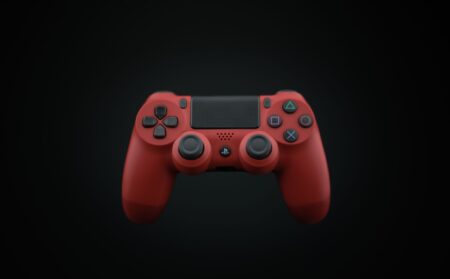




Sony’s latest strategic move with Samsung represents a fundamental shift in how PlayStation games reach consumers. The collaboration integrates PlayStation’s cloud gaming technology directly into Samsung’s smart TV platform, potentially making traditional consoles obsolete for many players.
The partnership leverages Samsung’s Gaming Hub, a centralized platform that brings multiple gaming services to their smart TVs without requiring additional hardware. PlayStation Now’s cloud streaming capabilities now run natively on Samsung displays, allowing users to play AAA PlayStation exclusives with just a controller and internet connection.
This integration arrives at a crucial moment when cloud gaming adoption is accelerating globally. Microsoft’s similar approach with Xbox Cloud Gaming on smart TVs has already demonstrated consumer appetite for console-free gaming experiences.

The Technology Behind Console-Free Gaming
Samsung’s latest smart TV models feature dedicated gaming processors and optimized low-latency modes that make cloud gaming viable for mainstream audiences. The TVs automatically adjust display settings when PlayStation games are detected, reducing input lag to levels comparable to local console gaming.
Sony’s cloud infrastructure handles the heavy lifting, streaming games at up to 4K resolution directly to compatible Samsung displays. Players need only pair a DualSense controller via Bluetooth to access their PlayStation library. The system maintains saved game progress across devices, allowing seamless transitions between TV and traditional console gaming.
The technical implementation addresses previous cloud gaming limitations. Samsung’s AI-powered upscaling enhances lower-resolution streams, while variable refresh rate support ensures smooth gameplay even during network fluctuations. These improvements make the experience nearly indistinguishable from local hardware gaming for many titles.
Network requirements remain the primary barrier, with Sony recommending minimum 15 Mbps download speeds for optimal performance. However, the company reports that over 75% of broadband users in major markets now exceed these specifications.
Market Impact on Traditional Console Sales
This partnership signals a broader industry shift away from dedicated gaming hardware. Traditional console sales face increasing pressure as streaming technology matures and smart TV capabilities expand. Sony’s own data suggests significant consumer interest in hardware-free gaming options.
The PlayStation Portal’s success, as analyzed in recent industry reports, demonstrates demand for alternative gaming access methods. Remote play functionality has proven popular among PlayStation users who want gaming flexibility without purchasing additional consoles for different rooms.
Samsung’s massive global TV market share amplifies this partnership’s potential impact. The company ships over 40 million smart TVs annually, creating an enormous potential user base for PlayStation’s cloud services. Each Samsung TV effectively becomes a PlayStation console without the manufacturing costs or supply chain complexities.
Competitors are taking notice. Microsoft has similar arrangements with multiple TV manufacturers, while NVIDIA’s GeForce Now service continues expanding its smart TV presence. The race to eliminate hardware barriers is intensifying across the gaming industry.

Consumer Benefits and Gaming Library Access
The immediate appeal lies in reduced barriers to PlayStation gaming. New users can access Sony’s exclusive titles without the upfront console investment, while existing PlayStation owners can extend their gaming to additional TVs throughout their homes.
Sony’s subscription model becomes more attractive when hardware costs disappear. PlayStation Plus subscribers gain instant access to hundreds of games through their Samsung TVs, transforming any room into a gaming space. This accessibility could significantly expand PlayStation’s user base beyond traditional console owners.
Game compatibility spans Sony’s entire catalog, from recent releases to classic PlayStation exclusives. The streaming approach also eliminates storage limitations that constrain traditional consoles. Users can instantly access any title in their library without managing local downloads or dealing with capacity constraints.
Family gaming scenarios particularly benefit from this arrangement. Multiple family members can access different PlayStation games simultaneously across various Samsung TVs, something impossible with a single console setup. This multiplies the value proposition for households with diverse gaming preferences.
Industry Transformation and Future Implications
The Sony-Samsung partnership represents more than technical innovation – it signals gaming’s evolution toward service-based models. Traditional console generations may become less relevant as cloud capabilities continue improving and smart TV penetration increases globally.
This shift mirrors broader entertainment industry trends. Streaming services eliminated the need for physical media collections, and now gaming follows a similar trajectory. The PlayStation Store’s expanding digital ecosystem supports this transition, as highlighted in recent coverage of Sony’s evolving retail strategies.
Other console manufacturers will likely accelerate their own smart TV initiatives. Nintendo’s potential entry into cloud gaming could further validate this approach, while PC gaming services explore similar partnerships with display manufacturers.
The implications extend beyond gaming hardware. TV manufacturers gain compelling reasons for consumers to upgrade their displays, while internet service providers benefit from increased bandwidth demand. This creates a broader ecosystem supporting console-free gaming adoption.
Looking ahead, Sony’s strategy positions PlayStation as a service rather than a hardware brand. Success with Samsung could lead to partnerships with other major TV manufacturers, potentially making PlayStation games available on billions of screens worldwide. The traditional console may not disappear entirely, but its role as gaming’s primary access point faces unprecedented challenges.
This transformation arrives faster than many industry observers anticipated, driven by improved internet infrastructure and consumer comfort with cloud services. Sony’s bet on streaming represents a calculated response to changing market dynamics that could reshape gaming’s future landscape.
Frequently Asked Questions
Can I play PlayStation games on Samsung TVs without a console?
Yes, through Sony’s cloud gaming integration with Samsung’s Gaming Hub platform, requiring only a controller and internet connection.
What internet speed do I need for PlayStation cloud gaming on Samsung TVs?
Sony recommends minimum 15 Mbps download speeds for optimal 4K gaming performance through their cloud service.