


Pokemon Sleep caught the fitness tracking industry off guard when it launched its comprehensive health data integration features. While fitness tracker manufacturers expected competition from wearables and health apps, they didn’t anticipate a Pokemon-themed sleep game becoming a serious player in the wellness data ecosystem.
The game, which rewards players for maintaining healthy sleep schedules by attracting different Pokemon based on sleep patterns, has integrated with major health platforms including Apple Health and Google Fit. This connectivity allows Pokemon Sleep to pull data from fitness trackers, smartwatches, and other health monitoring devices, creating a unified wellness experience that surprised industry veterans.
“We underestimated how effectively gamification could drive long-term engagement with health data,” said a product manager at a major fitness tracker company, speaking anonymously. “Pokemon Sleep users are more consistent with sleep tracking than many dedicated fitness device users.”
Beyond Basic Sleep Tracking
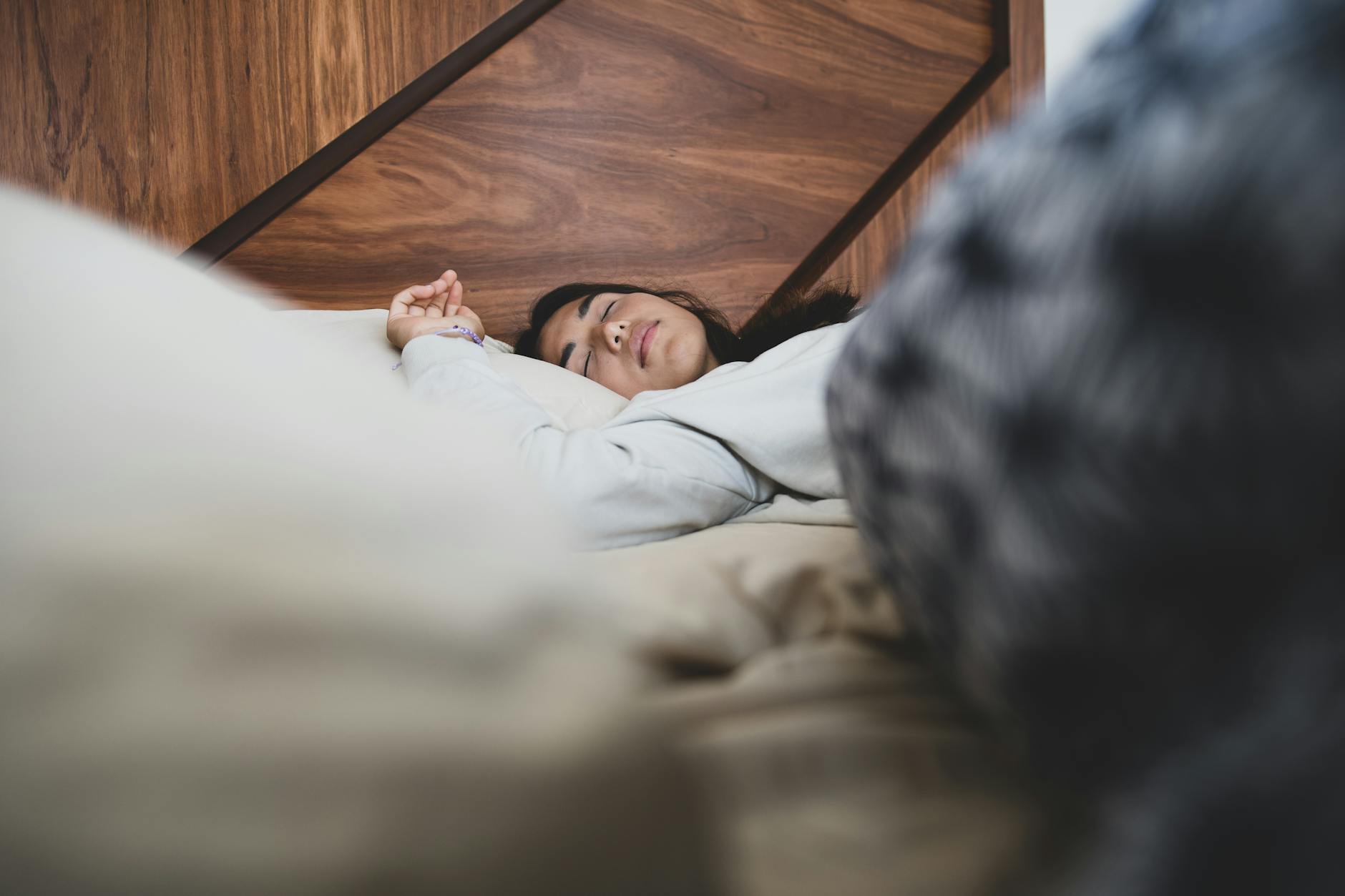
Pokemon Sleep’s integration goes deeper than simple sleep duration monitoring. The game analyzes sleep quality, sleep stages, and consistency patterns to determine which Pokemon appear during rest periods. Players who maintain regular bedtimes and achieve better sleep scores unlock rare Pokemon variants, creating motivation that traditional fitness trackers struggle to match.
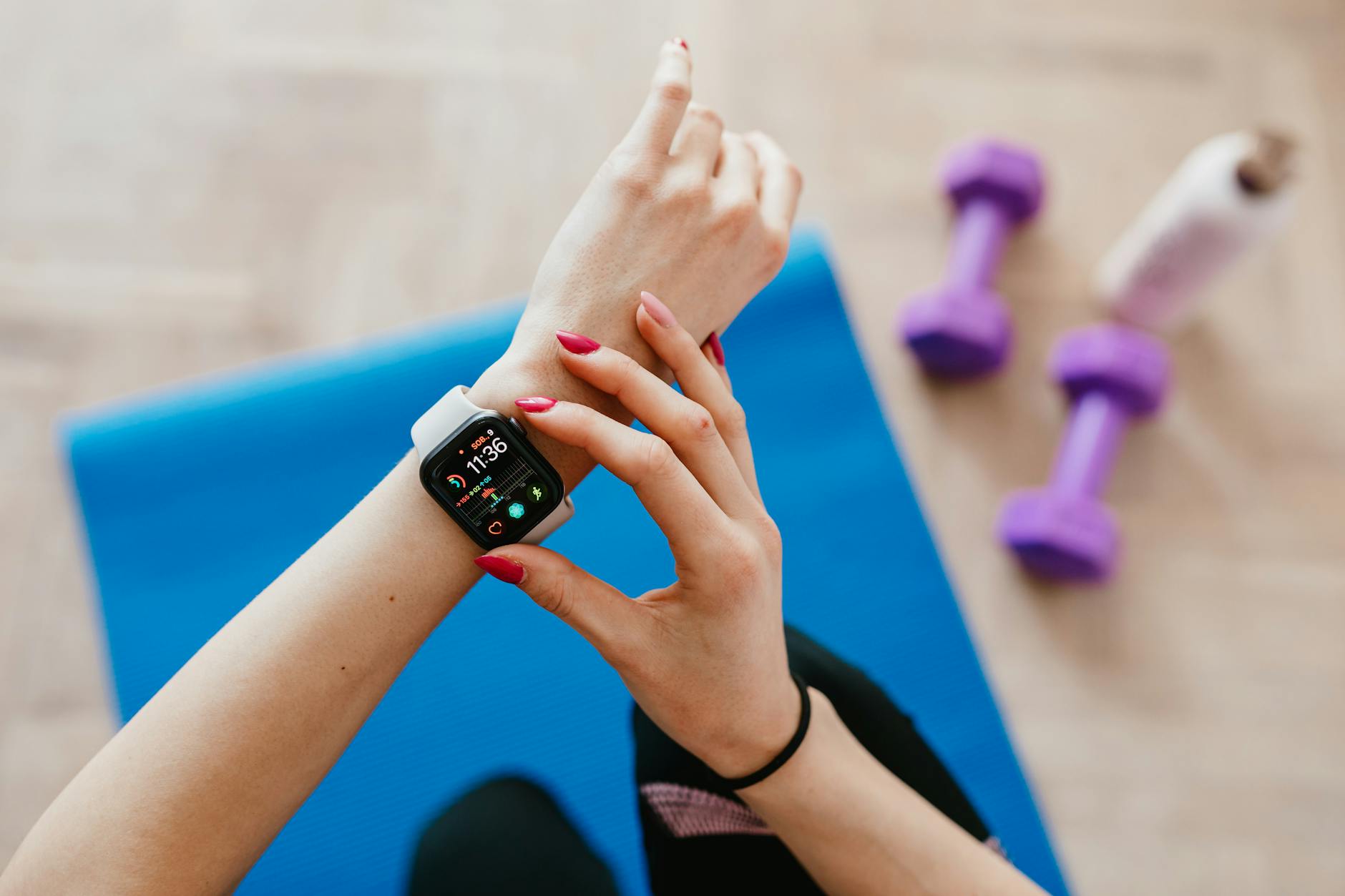
The app connects with devices from Fitbit, Apple Watch, Garmin, and other manufacturers, pulling comprehensive sleep metrics including REM cycles, heart rate variability during sleep, and movement patterns. This data feeds into Pokemon Sleep’s algorithm, which then generates personalized recommendations for improving sleep habits.
Fitness tracker companies initially dismissed Pokemon Sleep as a novelty, but user engagement metrics tell a different story. The game maintains active user bases that exceed many dedicated health apps, with players consistently wearing their devices and checking sleep data daily. This sustained engagement has forced fitness companies to reconsider their approach to user motivation and data presentation.
The Gamification Advantage
Traditional fitness trackers rely on metrics, badges, and social challenges to motivate users. Pokemon Sleep leverages emotional attachment to beloved characters, creating stronger behavioral incentives. Players report feeling more motivated to maintain consistent sleep schedules when rare Pokemon depend on their rest quality.
The game’s integration with existing fitness ecosystems means users don’t need additional hardware. Instead, Pokemon Sleep acts as a compelling interface layer that makes existing health data more engaging. This approach has proven particularly effective with younger demographics who grew up with Pokemon but may not respond to traditional fitness motivation methods.
Fitness companies are now studying Pokemon Sleep’s success to understand how narrative elements and character collection can enhance health tracking experiences. Some manufacturers are reportedly exploring partnerships with entertainment properties to create similar engagement models.
Industry Response and Adaptation
Major fitness tracking companies have begun incorporating more game-like elements into their platforms following Pokemon Sleep’s success. Fitbit recently expanded its adventure challenges, while Garmin introduced fantasy-themed fitness quests. These additions represent direct responses to Pokemon Sleep’s demonstration that entertainment value can drive consistent health data engagement.
The app’s success has also highlighted gaps in traditional fitness tracking approaches. While most devices focus on activity and exercise, Pokemon Sleep’s emphasis on sleep quality addresses a wellness area that many users neglect. This focus has prompted fitness companies to enhance their sleep tracking features and develop more comprehensive rest analysis tools.
Some fitness tracker manufacturers are exploring licensing deals with gaming companies to create hybrid entertainment-health experiences. These partnerships aim to capture the sustained engagement that Pokemon Sleep has achieved while leveraging existing hardware ecosystems.
Nintendo’s broader strategy of integrating health elements into gaming experiences, similar to how Fire Emblem’s strategy elements are appearing in other Nintendo franchises, suggests this trend will continue expanding across different game genres.
Data Privacy and Health Integration Challenges
Pokemon Sleep’s health data integration has raised important questions about privacy and data handling in gaming applications. The app processes sensitive sleep and health information while maintaining Nintendo’s gaming ecosystem connections, creating complex data flow scenarios that fitness companies must now consider.
The game’s success has demonstrated consumer willingness to share health data with gaming companies when the value proposition is clear and engaging. This acceptance has surprised traditional health tech companies, who often struggle with user adoption despite focusing exclusively on wellness outcomes.
Regulatory considerations around health data in gaming applications are evolving as Pokemon Sleep and similar apps blur the lines between entertainment and wellness tracking. Fitness tracker companies are monitoring these developments to understand how regulations might affect future gaming-health collaborations.
Future Implications for Health Gaming
Pokemon Sleep’s impact extends beyond immediate competition to fitness trackers. The game has proven that entertainment properties can successfully drive health behavior changes, opening possibilities for other gaming franchises to enter wellness markets. This validation may encourage more game developers to explore health integration opportunities.
The sustained user engagement achieved by Pokemon Sleep suggests that gamification alone isn’t sufficient – emotional connection to characters and narratives plays a crucial role in long-term health app success. This insight is influencing how fitness companies approach user experience design and content development.
As Pokemon Sleep continues evolving its health integration features, fitness tracker manufacturers are reassessing their competitive landscapes. The game’s success has shown that effective health motivation can come from unexpected sources, challenging traditional assumptions about wellness technology and user engagement patterns.
The broader implications reach beyond individual products to influence how the entire health tracking industry thinks about user motivation, data integration, and the role of entertainment in wellness technology. Pokemon Sleep’s surprising impact may represent the beginning of a new era where gaming and health tracking become increasingly intertwined.
Frequently Asked Questions
How does Pokemon Sleep integrate with fitness trackers?
Pokemon Sleep connects with Apple Health, Google Fit, and devices from Fitbit, Apple Watch, and Garmin to analyze sleep patterns and reward players with Pokemon based on sleep quality.
Why were fitness companies surprised by Pokemon Sleep’s success?
They didn’t expect a Pokemon-themed game to achieve better user engagement and consistency with health tracking than dedicated fitness apps and devices.