


PlayStation fans have waited nearly three decades for this moment. After years of limited backward compatibility that favored only select generations, Sony has quietly expanded PS5’s reach to include original PlayStation games from 1995 onward. This shift represents more than technical achievement – it’s a fundamental change in how Sony views gaming preservation and customer loyalty.
The announcement came through a firmware update that initially seemed routine. Hidden within the patch notes was a single line about “expanded classic game compatibility.” Within hours, players discovered they could boot up their dusty copies of Final Fantasy VII, Metal Gear Solid, and Crash Bandicoot directly on their PS5 consoles. No streaming required. No digital purchases necessary. Just pure, local backward compatibility spanning four console generations.
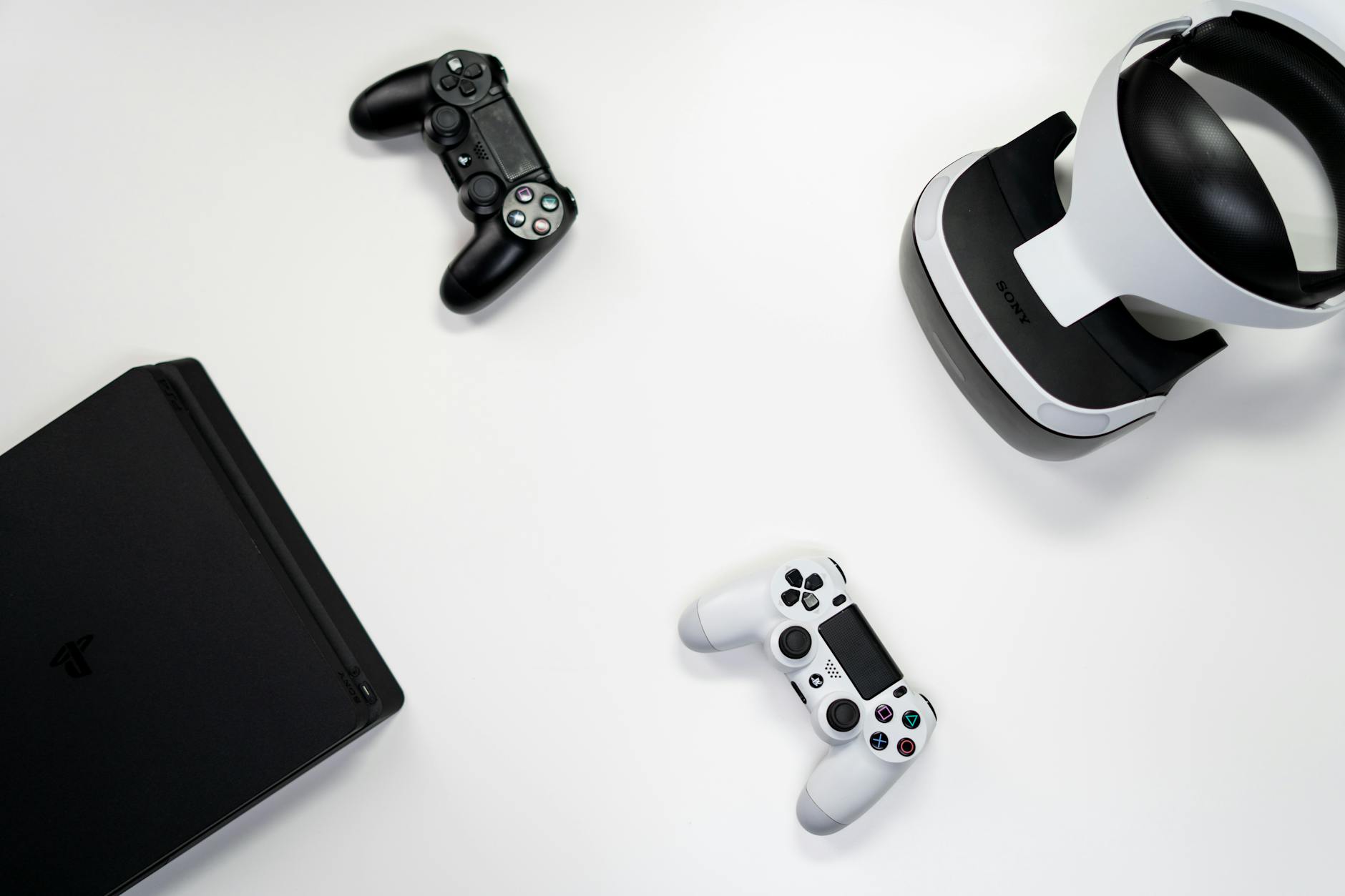
The Technical Breakthrough That Made It Possible
Sony’s engineering team solved backward compatibility through software emulation rather than dedicated hardware chips. The PS5’s custom AMD Zen 2 processor now runs a sophisticated emulation layer that translates PS1 instructions in real-time. This approach differs dramatically from Microsoft’s Xbox backward compatibility, which requires individual game testing and approval.
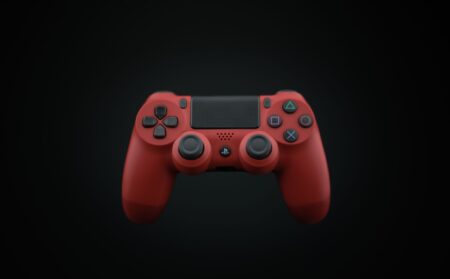
The emulation system handles PS1 games’ unique architecture, including their specific memory management and graphics rendering. Early testing shows impressive results – games load faster than original hardware while maintaining authentic visual fidelity. Frame rates remain stable, and classic controller inputs translate seamlessly to the DualSense controller.
Sony reportedly spent three years developing this emulation framework. The delay wasn’t technical complexity alone – legal hurdles around music licensing and third-party agreements required extensive negotiation. Many PS1 games contain licensed soundtracks that needed clearance for modern distribution, even when players own physical copies.
The implementation supports both disc-based games and digital purchases from the PlayStation Store’s classic catalog. Players can insert original PS1 discs directly into their PS5, though some region restrictions apply. Japanese imports work on US consoles, but certain European releases face compatibility issues due to PAL formatting differences.
Market Response and Industry Impact
Gaming communities erupted with enthusiasm following the announcement. Reddit’s PlayStation subreddit saw a 400% increase in posts within 24 hours, with users sharing photos of their classic game collections. Retro gaming stores reported immediate spikes in PS1 game sales as collectors rushed to rebuild their libraries.
The move puts competitive pressure on Microsoft and Nintendo. Xbox’s backward compatibility program covers select Xbox, Xbox 360, and Xbox One titles, but requires case-by-case approval. Nintendo’s approach remains limited to digital rereleases and subscription services like Nintendo Switch Online. Sony’s comprehensive solution now covers the broadest range of classic content.
Industry analysts view this as Sony’s response to growing preservation concerns. Organizations like the Video Game History Foundation have criticized major publishers for allowing classic games to become unplayable as hardware ages. Sony’s backward compatibility addresses these concerns while creating new revenue opportunities through increased console sales and classic game purchases.
The timing aligns with broader gaming trends toward preservation and accessibility. Younger players, who missed the original PlayStation era, now have direct access to gaming’s foundational titles. Streamers and content creators gain access to decades of material, potentially revitalizing interest in forgotten classics.
Challenges and Limitations
Despite the breakthrough, significant limitations remain. Peripheral compatibility poses the biggest challenge – PS1 games designed for light guns, dance pads, or fishing controllers can’t function properly. Guitar Hero and Rock Band titles from later generations face similar issues without their specialized controllers.
Certain games exhibit minor glitches during emulation. Graphics occasionally flicker, and some audio tracks experience brief delays. Sony acknowledges these issues and promises ongoing firmware updates to address compatibility problems as they’re discovered.
Regional differences complicate the rollout. Japanese PS5 consoles received full backward compatibility immediately, while European models face delays due to additional certification requirements. US consoles support most PS1 titles but exclude certain imports that never received official ESRB ratings.
The feature doesn’t extend to PS2 or PS3 games yet. Sony’s statements suggest these generations present greater technical challenges. PS2’s complex Emotion Engine processor and PS3’s Cell architecture require more sophisticated emulation that may not arrive until future console generations.
Storage considerations also matter. While PS1 games require minimal space, building large libraries can consume significant SSD storage. The PS5’s limited internal storage becomes more constrained when players maintain collections spanning multiple generations.
Looking Forward: What This Means for PlayStation’s Future
This backward compatibility expansion signals Sony’s long-term commitment to gaming preservation. The company reportedly plans similar emulation development for PS2 titles, though no timeline has been announced. PS3 compatibility remains unlikely due to that console’s unique Cell processor architecture.
The move strengthens PlayStation’s ecosystem in the streaming wars era. As Microsoft pushes Game Pass and cloud gaming, Sony emphasizes local ownership and comprehensive libraries. Players who invest in PlayStation’s ecosystem now gain access to four decades of gaming content without subscription fees.
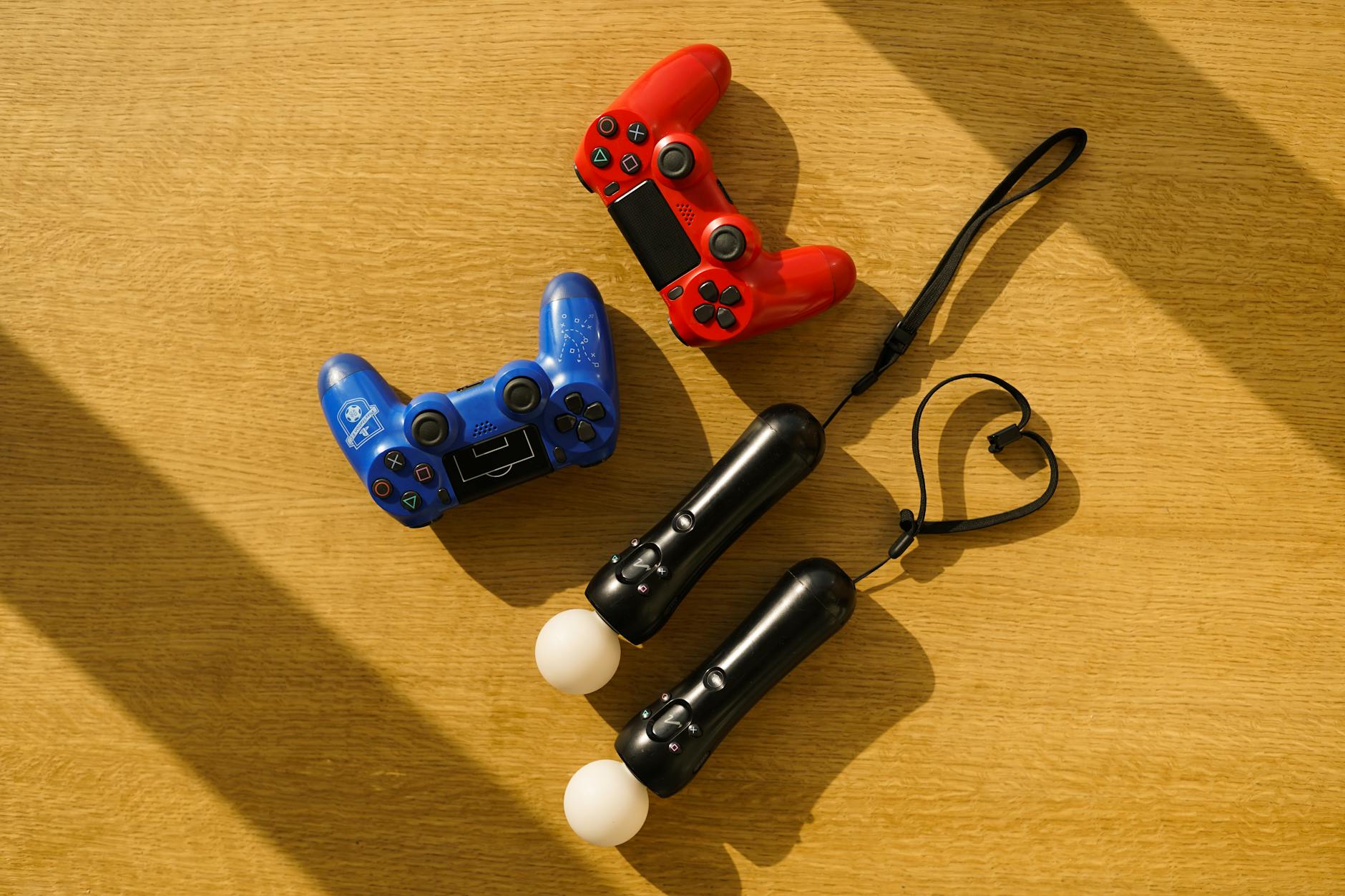
This development also impacts Sony’s other gaming initiatives. The company’s DualSense controller technology now supports classic games through adaptive trigger feedback and haptic responses that enhance retro experiences. Players report that classic racing games feel more immersive with modern controller features.
The backward compatibility success positions PlayStation strongly against emerging competition. As new gaming platforms enter the market, Sony’s vast library becomes a significant competitive advantage. Players considering console switches must weigh access to decades of content against newer features from competing platforms.
Looking ahead, Sony’s approach may influence industry standards for gaming preservation. If backward compatibility drives console sales and user engagement, other manufacturers may follow suit. The gaming industry’s relationship with its history could shift fundamentally, prioritizing preservation alongside innovation.
PlayStation’s backward compatibility expansion represents more than technical achievement – it’s a statement about gaming’s future. As the medium matures, preserving its history becomes essential for understanding its evolution. Sony’s commitment to making classic games playable ensures that gaming’s foundational experiences remain accessible to future generations.
Frequently Asked Questions
Do I need to rebuy PS1 games for backward compatibility?
No, you can use original PS1 discs or previously purchased digital titles from the PlayStation Store classic catalog.
Will PS2 and PS3 games work with this update?
Currently only PS1 games are supported, though Sony may expand to PS2 titles in future updates.