



PlayStation VR2 headsets are flying off shelves in Japan after months of sluggish sales, marking a dramatic turnaround for Sony’s premium virtual reality system. The surge comes as Japanese developers release culturally tailored content and local retailers slash prices during the country’s spring gaming season.
Sony’s VR2 launched globally in February 2023 to mixed reception, with early adopters praising its technical capabilities but criticizing the limited game library. Japan initially proved one of the toughest markets, where mobile gaming dominates and console VR adoption remained skeptical. Recent sales data shows the headset finally gaining momentum in its home market through a combination of strategic moves.
Japanese Game Studios Drive Local Adoption
The breakthrough came when prominent Japanese developers began releasing VR2-exclusive content that resonates with local audiences. Capcom’s recent VR2 mode for Resident Evil 4 became a massive hit in Japanese gaming cafes, while smaller studios created experiences based on popular anime franchises and traditional Japanese settings.
Gaming industry analyst Hiroshi Tanaka notes that Japanese consumers needed to see familiar content before embracing the platform. “Western VR games often feel foreign to Japanese players,” he explains. “Once developers started creating experiences around Japanese horror, anime aesthetics, and cultural themes, adoption accelerated rapidly.”
The timing coincided with Japan’s Golden Week holiday period, when electronics retailers traditionally see their biggest sales spikes. Major chains like Yodobashi Camera and Bic Camera reported VR2 units selling out repeatedly during the spring shopping season.
Price Drops and Bundle Deals Sweeten the Proposition
Aggressive pricing strategies helped overcome the initial sticker shock that deterred Japanese consumers. While the VR2 launched at 74,980 yen, retailers began offering substantial discounts and bundle packages that included popular games and accessories.
The price reductions came at a crucial time when Japanese consumers were already tightening spending due to economic uncertainty. Electronics retailers found that bundling the headset with exclusive Japanese games and offering payment plans made the purchase more accessible to middle-income households.
Sony also introduced trade-in programs allowing customers to exchange older PlayStation consoles for credit toward VR2 purchases. This approach proved particularly effective in Japan, where consumers often upgrade gaming hardware in cycles rather than accumulating multiple systems.
Gaming Cafes and Social Experiences Drive Interest
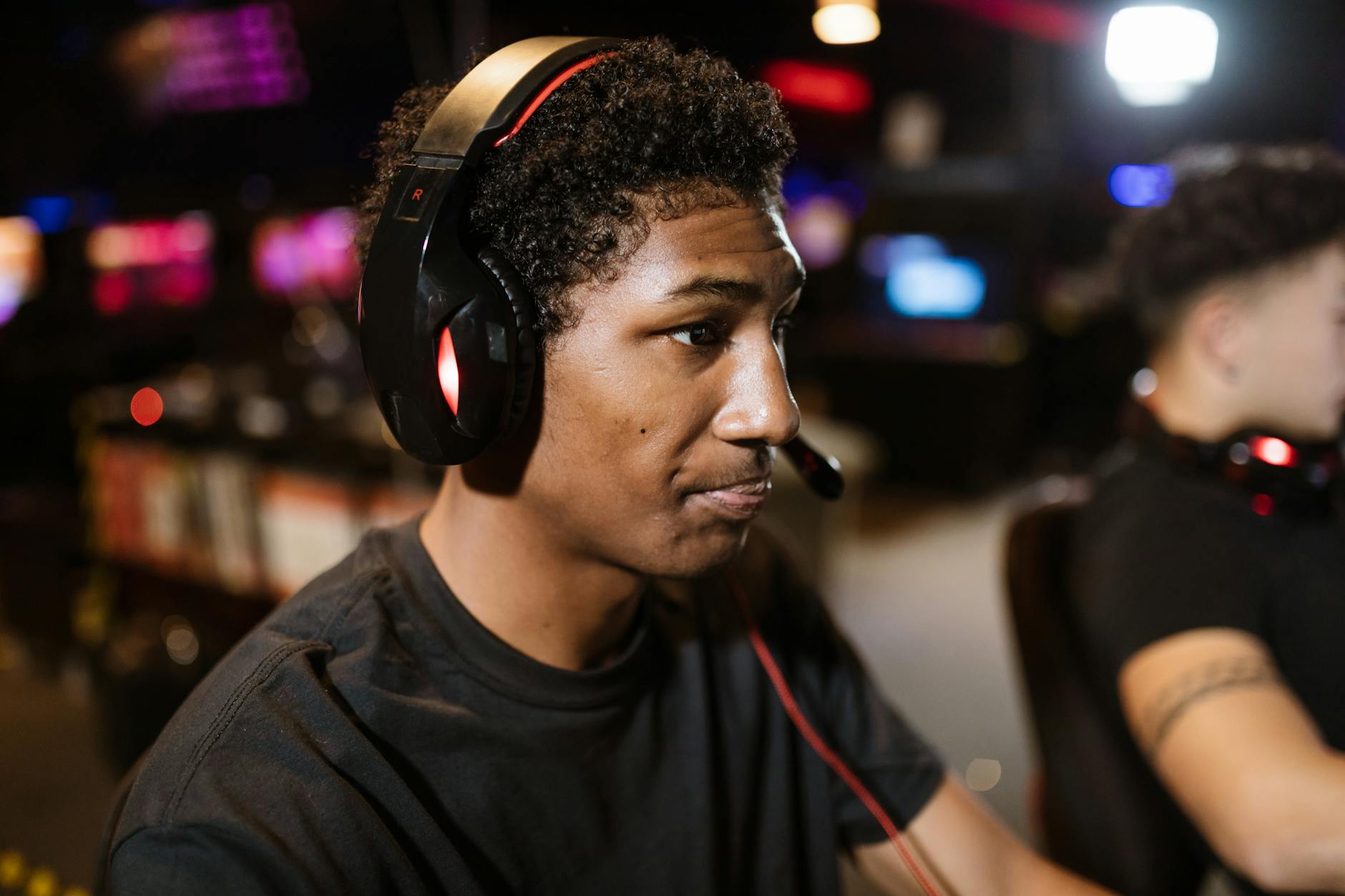
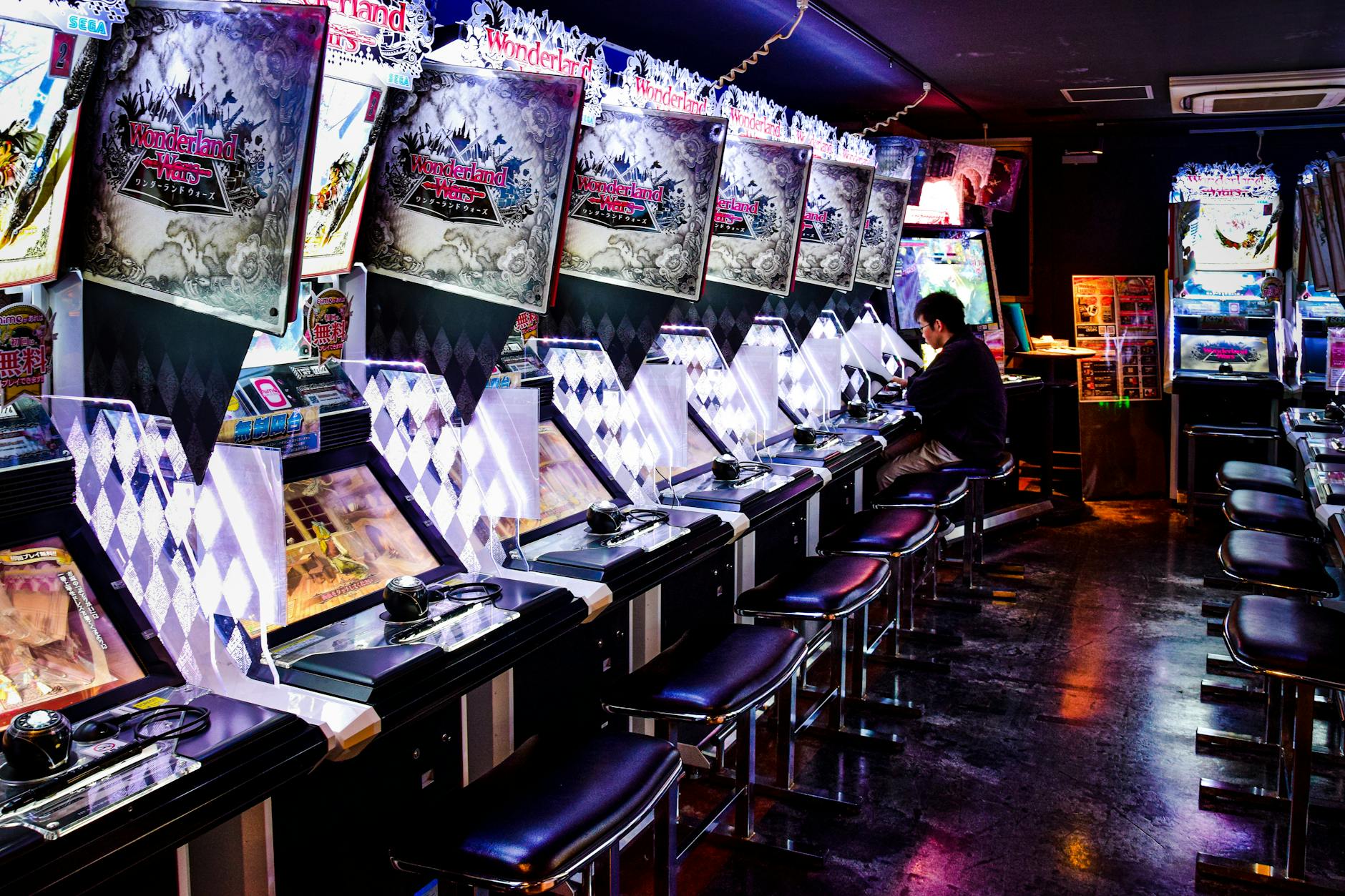
Japan’s unique gaming cafe culture played an unexpected role in VR2’s success. These establishments, popular with younger consumers who lack space for home gaming setups, began installing VR2 stations that let customers experience the technology before buying.
Gaming cafes reported that VR2 sessions consistently booked solid, with many visitors expressing interest in purchasing headsets after trying them. The social aspect proved crucial – Japanese consumers could experience VR gaming with friends and share reactions, making the technology feel less isolating than solo home use.
The cafe model also solved practical concerns about space and setup that initially deterred Japanese consumers. Many Tokyo apartments lack room for full VR play areas, but experiencing the technology in dedicated spaces demonstrated its appeal.
This social adoption pattern mirrors how other gaming technologies gained traction in Japan, from arcade fighting games to mobile gaming. The communal discovery phase often precedes widespread home adoption in Japanese gaming culture.
Technical Improvements Address Early Concerns
Sony’s consistent firmware updates addressed many technical issues that initially frustrated early Japanese adopters. Improved tracking accuracy, reduced motion sickness, and better integration with existing PlayStation systems made the VR2 more appealing to quality-conscious Japanese consumers.
The company also expanded its customer support infrastructure in Japan, offering in-person demonstrations at Sony stores and providing detailed setup assistance. This hands-on approach proved essential in a market where consumers expect high-quality service and technical support.
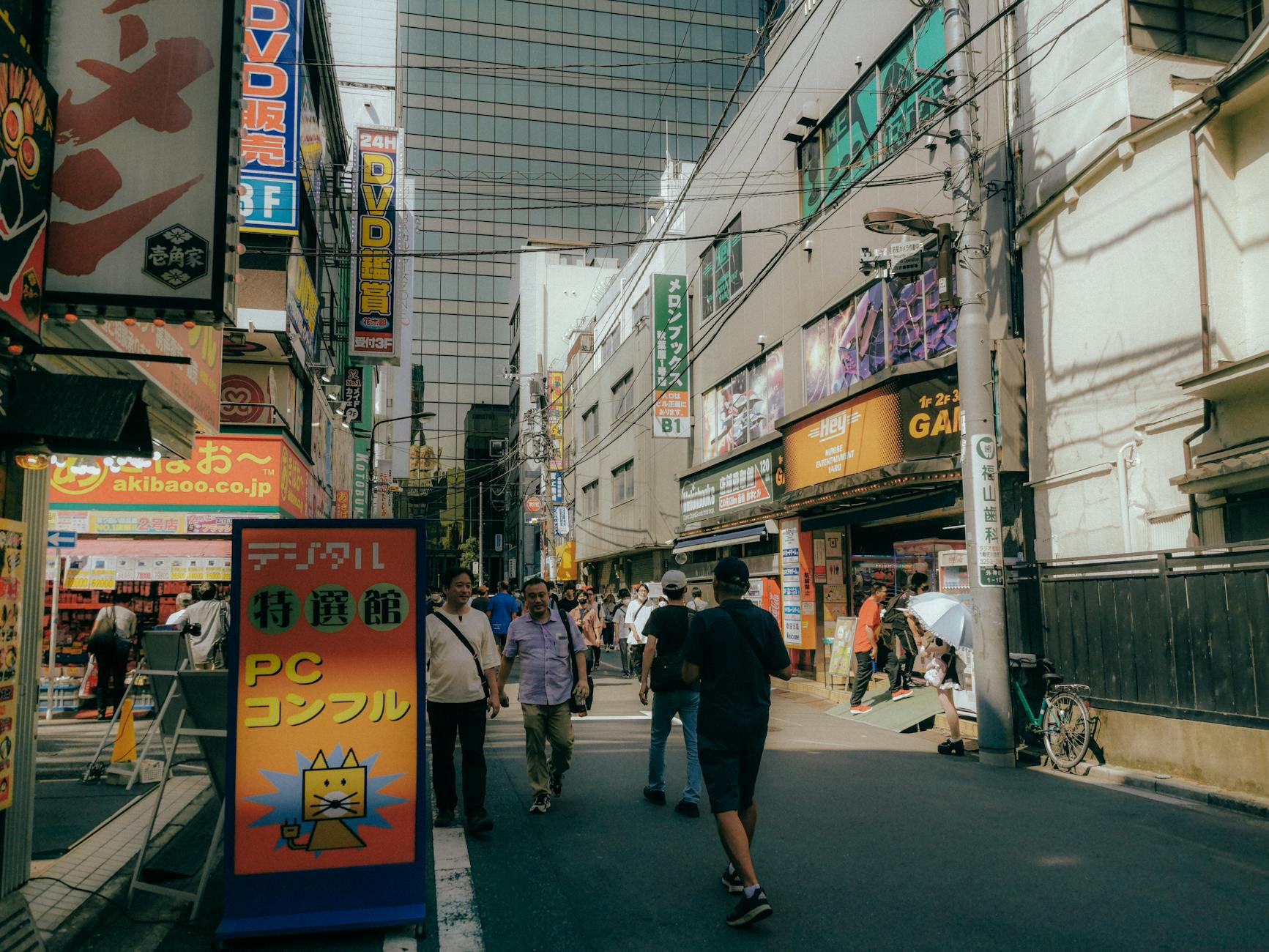
Recent compatibility updates that allow VR2 to work with PC games further expanded its appeal among Japanese enthusiasts who often use multiple gaming platforms. This flexibility addressed concerns about the headset’s long-term value proposition.
Looking ahead, Sony’s success with VR2 in Japan could signal broader acceptance of virtual reality gaming across Asia-Pacific markets. The company’s focus on culturally relevant content and local market adaptation provides a blueprint for expanding VR adoption beyond early adopter segments. As Japanese developers continue creating compelling VR experiences and prices stabilize, the PlayStation VR2 appears positioned for sustained growth in one of gaming’s most important markets.
Frequently Asked Questions
Why is PlayStation VR2 suddenly selling well in Japan?
Japanese game developers created culturally relevant content, retailers offered significant price cuts, and gaming cafes let consumers try the technology first.
What games helped PlayStation VR2 succeed in Japan?
Capcom’s Resident Evil 4 VR mode and anime-themed experiences from local studios drove adoption among Japanese consumers.