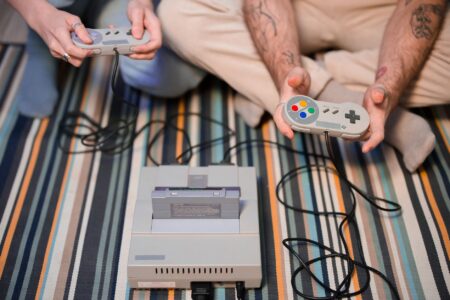




Nintendo’s unassuming 20-minute video presentations have quietly revolutionized how major gaming companies communicate with their audiences. What began as a simple streaming format in 2011 has evolved into the industry’s gold standard for game announcements, forcing competitors to completely rethink their marketing strategies.
The Nintendo Direct format strips away the glitz of traditional gaming conventions, focusing purely on games and gameplay footage. This approach has proven so effective that Sony, Microsoft, and third-party publishers now regularly host similar digital showcases, abandoning expensive live events in favor of controlled, content-dense presentations.
The Death of Traditional Gaming Events
Before Nintendo Direct became a phenomenon, gaming announcements followed a predictable pattern. Companies saved their biggest reveals for E3, Gamescom, or other industry conventions, spending millions on elaborate booth setups and theatrical presentations. Nintendo’s decision to step back from major press conferences at E3 2013 initially seemed like a retreat, but it marked the beginning of a fundamental shift.
The COVID-19 pandemic accelerated this transformation dramatically. When live events became impossible, companies that had already experimented with direct-to-consumer presentations were better positioned to maintain audience engagement. Sony’s State of Play series, which launched in 2019, suddenly became their primary communication vehicle. Microsoft’s Xbox Developer Direct and Partner Preview events followed similar patterns, focusing on gameplay footage and developer interviews rather than celebrity appearances or elaborate stage productions.
The numbers tell the story clearly. Nintendo Direct presentations consistently generate millions of views within hours of release, with dedicated fan communities dissecting every frame for clues about upcoming releases. This organic engagement far exceeds the reach of traditional gaming press conferences, which typically required mainstream media coverage to reach broader audiences.
Cost-Effective Marketing Revolution
The financial advantages of Nintendo’s approach cannot be overstated. Traditional gaming conventions require massive investments in booth construction, staff travel, catering, and promotional materials. A single major E3 presence could cost companies hundreds of thousands of dollars, not including the additional expense of coordinating multiple announcements around fixed event schedules.
Nintendo Direct presentations require minimal production costs while offering maximum flexibility. Companies can announce games when they’re ready to show them, rather than rushing to meet arbitrary convention deadlines. This has led to higher-quality presentations with more polished gameplay footage, as developers have more time to prepare materials specifically for digital showcases.
The format also allows for better audience targeting. Instead of competing for attention at crowded conventions, companies can schedule their presentations during optimal viewing times and promote them directly through social media and gaming communities. Sony’s State of Play presentations often focus on specific themes or franchises, allowing them to reach targeted demographics more effectively than broad convention presentations.
Third-party publishers have embraced this model enthusiastically. Ubisoft Forward, Square Enix Presents, and similar publisher-specific showcases now serve as primary announcement venues for major releases. These presentations often generate more sustained attention than conventional press conferences because viewers can watch them on-demand and share specific segments across social platforms.
Content Control and Message Precision
Nintendo Direct presentations succeed because they maintain absolute control over messaging and pacing. Every segment is carefully scripted and edited to maximize impact, with no risk of technical difficulties, awkward live demonstrations, or off-script moments that could derail announcements. This precision has become increasingly important as gaming budgets reach hundreds of millions of dollars and marketing missteps can significantly impact sales.
The format allows companies to present complex information clearly. Instead of competing with convention noise and distractions, viewers can focus entirely on game footage and developer explanations. This has proven particularly effective for explaining new gameplay mechanics or narrative concepts that might be difficult to communicate in brief convention presentations.
Microsoft has adapted this approach through their Xbox Developer Direct series, which provides in-depth looks at upcoming releases from their first-party studios. These presentations often run 45 minutes or longer, giving developers substantial time to explain their creative decisions and demonstrate key features. This level of detail would be impossible to achieve in traditional convention settings, where time constraints and audience attention spans limit presentation depth.
The controlled environment also enables better integration of gameplay footage with developer commentary. Instead of relying on live demonstrations that could malfunction, companies can use carefully edited gameplay sequences that highlight specific features while maintaining visual quality. This approach has become standard across the industry, with even traditionally live-focused companies like Blizzard adopting similar formats for major announcements.
Global Reach and Community Building
Digital presentations eliminate geographical barriers that limited traditional gaming events. Nintendo Direct presentations air simultaneously worldwide, with localized versions available in multiple languages. This global accessibility has helped build international gaming communities around shared viewing experiences, with fans participating in real-time discussions across social media platforms.
The format has also democratized gaming coverage. Instead of relying on gaming journalists to attend conventions and report on announcements, fans can watch presentations directly and form their own opinions. This has led to more diverse commentary and analysis, as content creators and community members can respond immediately to new information without waiting for filtered reporting.
The success of this approach is evident in how companies now structure their entire marketing calendars around digital showcases. Nintendo typically hosts three to four Direct presentations annually, creating predictable windows for major announcements that generate sustained media coverage and fan speculation. Sony and Microsoft have adopted similar schedules, with regular State of Play and Developer Direct events creating consistent touchpoints with their audiences.
The community aspect extends beyond individual presentations. Gaming companies now coordinate their announcement schedules to avoid conflicts, recognizing that digital showcases work best when they can capture undivided audience attention. This coordination has led to a more organized industry calendar, with major announcements spread throughout the year rather than concentrated around specific convention dates.
Future of Gaming Communication
The Nintendo Direct model has fundamentally changed how the gaming industry communicates with consumers, and this transformation shows no signs of reversing. Even as live events return post-pandemic, companies continue to rely heavily on digital presentations for major announcements. The hybrid approach that many companies now employ combines the best aspects of both formats, using live events for community building while reserving major reveals for controlled digital showcases.
Looking ahead, the influence extends beyond simple presentation format. Companies are investing heavily in production quality for digital showcases, recognizing that these presentations often serve as primary marketing materials for major releases. The success of formats like Nintendo Direct has also influenced how companies approach ongoing communication with their audiences, leading to more regular updates and behind-the-scenes content.
As the gaming industry continues to grow and diversify, the Nintendo Direct approach offers a scalable model for reaching global audiences efficiently. The format’s emphasis on gameplay footage and developer insights resonates with core gaming audiences while remaining accessible to casual viewers. This balance has proven sustainable across multiple console generations, suggesting that digital-first announcement strategies will continue to dominate gaming marketing for the foreseeable future.
The transformation that began with Nintendo’s simple streaming concept has reshaped an entire industry’s communication strategy, proving that sometimes the most effective innovations are also the most straightforward ones.
Frequently Asked Questions
How have Nintendo Direct presentations changed gaming announcements?
They’ve shifted the industry from expensive convention presentations to cost-effective, controlled digital showcases that reach global audiences directly.
Do other gaming companies use Nintendo’s presentation format?
Yes, Sony’s State of Play, Microsoft’s Developer Direct, and publisher showcases like Ubisoft Forward all follow Nintendo’s direct-to-consumer model.