



Gaming cafes are experiencing an unexpected renaissance across major metropolitan areas, defying predictions that home gaming setups would make them obsolete. These tech-forward social spaces, once relegated to basement storefronts and strip malls, are now occupying premium real estate in downtown cores and trendy neighborhoods, complete with craft coffee bars and Instagram-worthy interiors.
The resurgence comes at a time when digital connection paradoxically feels more isolating than ever. Despite having access to millions of players online, gamers are craving authentic face-to-face interaction and shared experiences that only physical spaces can provide. This trend mirrors the broader movement away from purely digital entertainment toward hybrid experiences that combine technology with real-world community building.
The Social Gaming Revolution
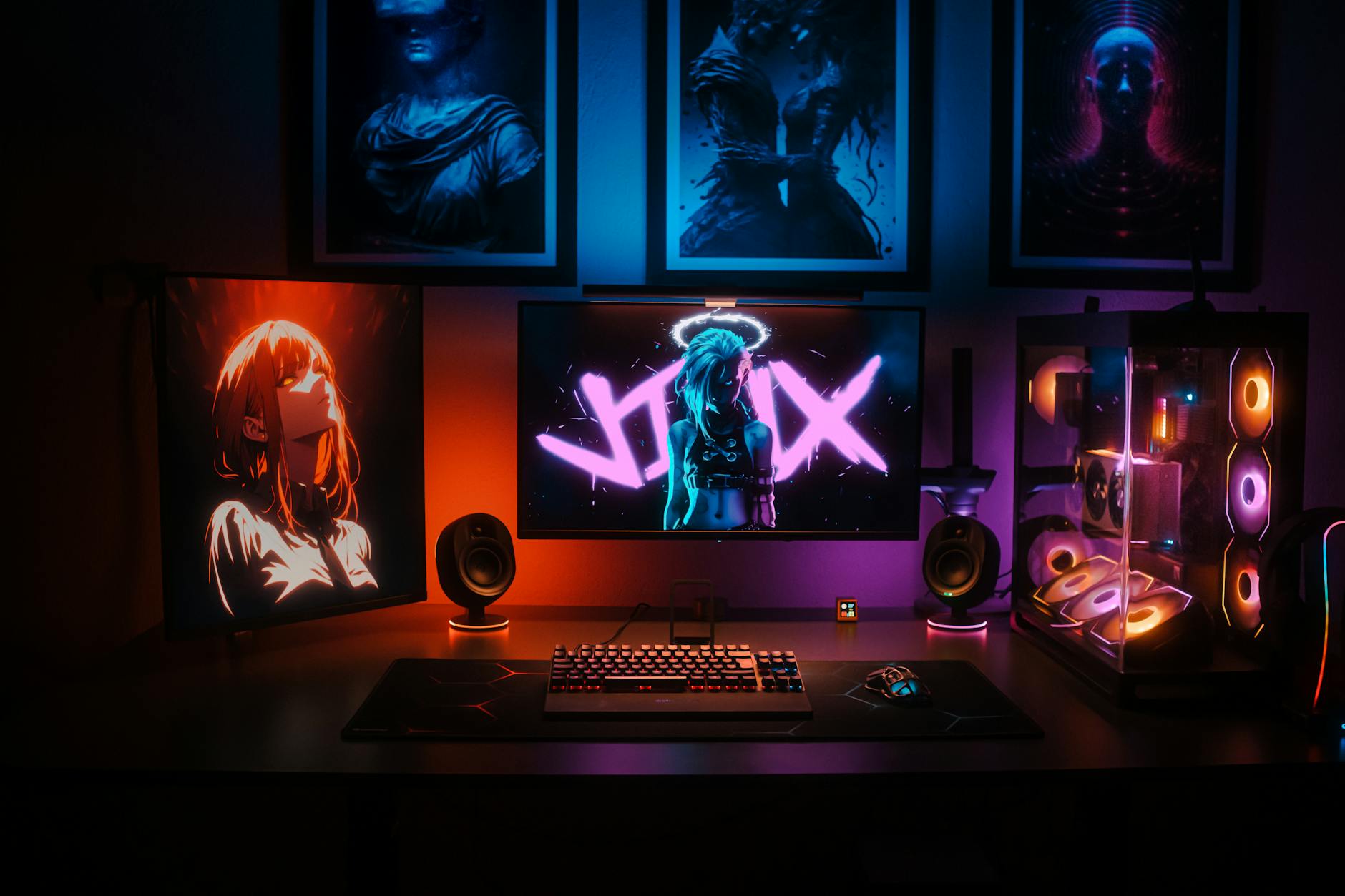
Modern gaming cafes have evolved far beyond the dimly lit PC bangs of the early 2000s. Today’s venues feature sleek designs, professional-grade gaming setups, and carefully curated atmospheres that appeal to both hardcore enthusiasts and casual players. Cities like Los Angeles, New York, Seattle, and Austin are seeing a surge in these establishments, many backed by investors who recognize the untapped potential in communal gaming experiences.
The demographic driving this growth extends well beyond traditional gaming stereotypes. Young professionals use gaming cafes as alternative networking venues, parents bring children for birthday parties, and couples treat competitive gaming sessions as date nights. This diversification has attracted venture capital investment and franchising opportunities that were unthinkable during gaming cafes’ previous iteration.
Social media has played a crucial role in this transformation. Gaming cafes now design spaces specifically for content creation, with ring lights, branded backdrops, and streaming setups that allow visitors to share their experiences instantly. This approach aligns with broader trends in how TikTok gaming content is reshaping video game marketing, where authentic, location-based content performs exceptionally well.
Technology Meets Premium Experience
The technical infrastructure of modern gaming cafes represents a significant upgrade from their predecessors. High-end gaming PCs with RTX 4080 and 4090 graphics cards, ultra-wide monitors, mechanical keyboards, and professional gaming chairs create an experience that rivals or exceeds most home setups. Many venues also incorporate console gaming areas, VR stations, and retro arcade sections to appeal to diverse gaming preferences.
Strategic partnerships with gaming hardware manufacturers have enabled cafes to showcase the latest technology while maintaining reasonable hourly rates. NVIDIA, Intel, and peripheral companies often sponsor equipment in exchange for promotional opportunities and direct consumer feedback. This relationship benefits all parties: manufacturers gain valuable market research, cafes reduce capital expenditure, and customers access cutting-edge technology without major personal investment.

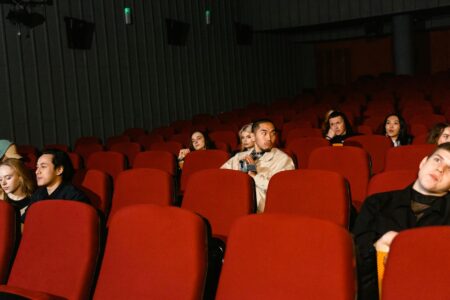
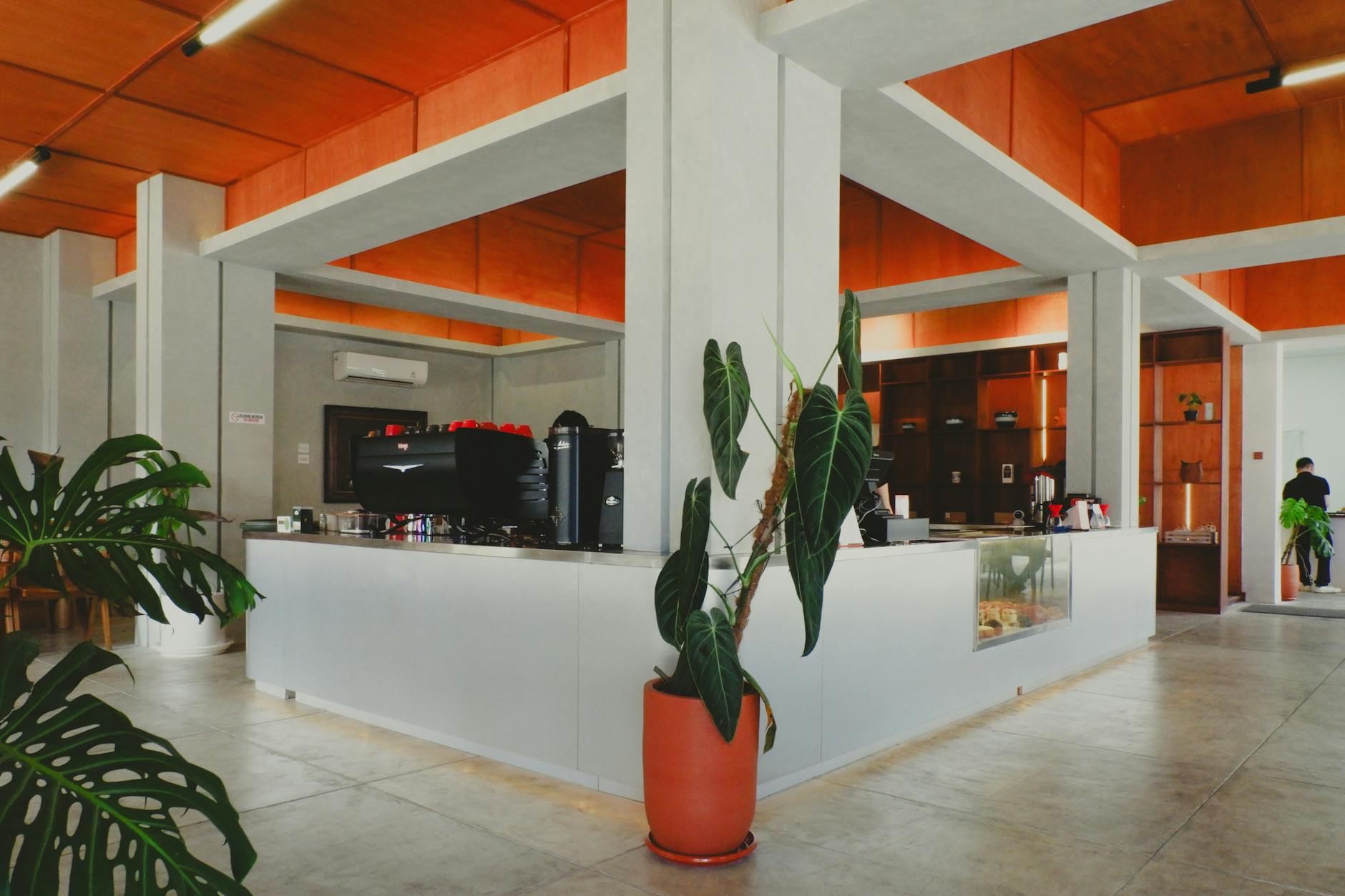
The premium experience extends beyond hardware to encompass full-service amenities. Many gaming cafes now feature professional baristas, gourmet food menus, and event spaces for tournaments and private parties. This evolution transforms them from simple gaming venues into lifestyle destinations that compete with traditional entertainment options like bowling alleys, movie theaters, and sports bars.
Economic Factors Driving Growth
Several economic trends have converged to make gaming cafes financially viable again. Rising real estate costs have made home gaming setups prohibitively expensive for many urban dwellers, particularly those living in small apartments or shared housing. A high-end gaming PC that costs several thousand dollars becomes accessible through hourly rental rates that often run between fifteen to thirty dollars.
The subscription economy mindset, popularized by services like Netflix and Spotify, has conditioned consumers to prefer access over ownership. Gaming cafes tap into this preference by offering access to extensive game libraries, premium hardware, and social experiences without requiring significant upfront investment or long-term commitment.
Corporate partnerships have also emerged as a major revenue stream. Companies book gaming cafes for team building events, product launches, and client entertainment. The tech industry, in particular, has embraced gaming venues for recruitment events and employee appreciation activities, recognizing that these spaces attract top talent in competitive markets.
Tournament and Esports Integration
The explosive growth of esports has created new opportunities for gaming cafes to position themselves as community hubs for competitive gaming. Local tournaments generate consistent revenue while building loyal customer bases around specific games and genres. Many venues now host viewing parties for major esports events, creating theater-like experiences that combine the excitement of live sports with the engagement of gaming culture.
Professional esports organizations have begun partnering with gaming cafes to scout talent and host regional qualifying events. This relationship provides legitimacy and exposure that attracts serious competitive players while introducing casual visitors to the broader esports ecosystem. Some cafes have even developed their own sponsored teams, creating local rivalries and storylines that drive repeat visits.
Looking Toward the Future
The gaming cafe renaissance represents more than nostalgic revival; it signals a fundamental shift in how people consume entertainment and build communities. As remote work continues reshaping urban social patterns, gaming cafes fill an important role as third spaces where digital natives can connect authentically while engaging with their preferred form of entertainment.
Industry analysts predict continued expansion, particularly in mid-sized cities that lack major entertainment venues but possess tech-savvy populations. The integration with gaming-focused content creation and podcasting suggests these venues will evolve into comprehensive media production hubs, serving both consumers and creators in the rapidly expanding gaming economy.
The success of this new generation of gaming cafes will likely depend on their ability to maintain the delicate balance between cutting-edge technology and genuine community building. Those that master this combination are positioned to become permanent fixtures in the urban entertainment landscape, proving that even in our increasingly digital world, nothing can fully replace the magic of shared experiences and face-to-face competition.
Frequently Asked Questions
Why are gaming cafes becoming popular again?
Gaming cafes offer premium gaming experiences, social interaction, and access to expensive hardware without the high upfront costs of home setups.
What makes modern gaming cafes different from older ones?
Today’s gaming cafes feature premium designs, high-end equipment, full-service amenities, and spaces designed for content creation and social media sharing.