




Nintendo’s latest earnings report buried a detail that’s reshaping the collector market: Switch cartridge production delays are creating artificial scarcity for physical game releases, driving prices through the roof on secondary markets.
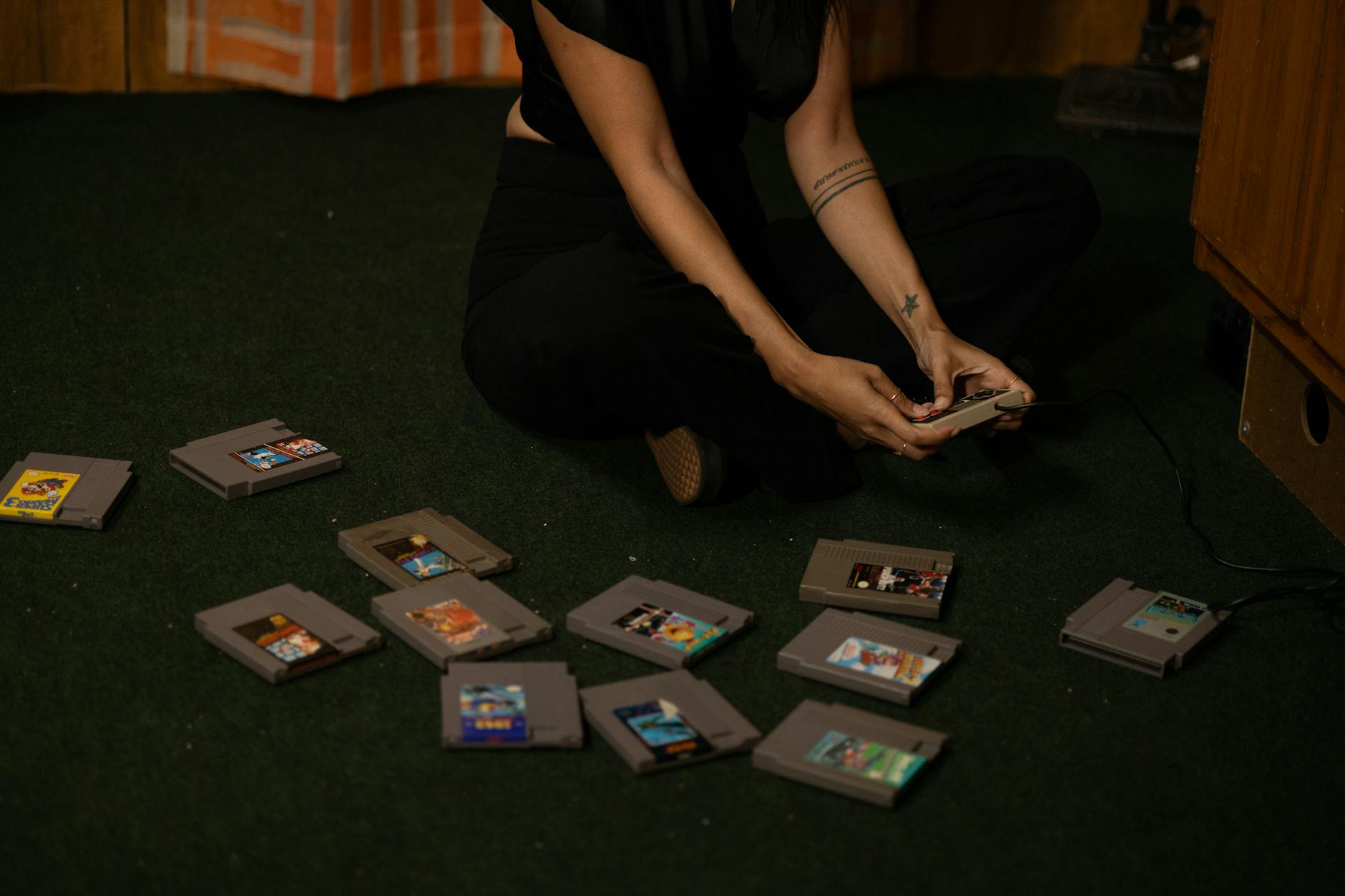
Manufacturing Bottlenecks Hit Independent Publishers Hardest
The semiconductor shortage that disrupted console production has morphed into a persistent challenge for Switch cartridge manufacturing. Nintendo’s proprietary cartridge format requires specialized production facilities, and the company prioritizes first-party releases when capacity runs tight. This leaves independent publishers competing for limited manufacturing slots, often waiting months longer than anticipated to get their games into retail channels.
Limited Run Games reported delays of up to six months for some titles in 2024, while smaller publishers describe even longer waits. The situation creates a domino effect: games initially planned for wide release end up with drastically reduced print runs, transforming what should be standard retail releases into accidental limited editions.
Physical media advocates who spent years convincing publishers to offer cartridge versions now face a different problem. Publishers are reconsidering physical releases entirely, calculating whether the manufacturing delays and reduced quantities justify the costs. Some titles that would have received standard physical releases are pivoting to digital-only launches with potential collector’s editions planned for later.
The delays also impact Nintendo’s own release schedule. Several first-party titles have seen their physical versions arrive weeks after digital launches, creating a two-tiered release system that fans never requested. This staggered approach has become so common that Nintendo rarely mentions physical availability dates in initial announcements.
Collector Markets Explode as Scarcity Drives Demand
Pre-order prices on sites like eBay now routinely exceed retail prices before games even ship. Titles from smaller publishers command premiums of 50 to 100 percent above MSRP, with some rare releases selling for triple their original price within weeks of release. The collector market has adapted quickly, with dedicated groups tracking production numbers and manufacturing delays to predict which titles will become valuable.
Regional exclusives compound the scarcity issue. Games that receive limited physical releases in Japan but never make it to Western retail create international collector markets where importers charge significant premiums. The manufacturing delays mean these regional gaps persist longer, as publishers can’t quickly pivot to produce additional runs for different markets.
Nintendo’s own limited releases, historically reserved for special anniversaries or premium collections, now compete with this accidental scarcity market. The company’s deliberate scarcity tactics feel less special when routine indie releases become just as hard to find. Collectors who once focused on official Nintendo rarities now spread their attention across dozens of small publisher releases that might never see reprints.
Retail chains have started implementing purchase limits on certain titles, not due to high demand but because low supply makes every copy precious. GameStop and other retailers report customers asking about production numbers for upcoming releases, treating routine game purchases like investment decisions. Store managers describe having to explain manufacturing delays to frustrated customers who assumed physical copies would remain available indefinitely.
The secondary market has developed its own ecosystem of information sharing. Collector forums track which publishers use which manufacturing facilities, attempting to predict delays and scarcity based on production patterns. This level of supply chain analysis was once reserved for high-end collectibles, not standard video game releases.
Publishers Adapt with New Release Strategies
Forward-thinking publishers have started announcing production numbers upfront, using scarcity as a marketing tool rather than an unfortunate side effect. Pre-order campaigns now emphasize limited quantities, transforming manufacturing constraints into artificial urgency that drives early sales. What began as a production problem has evolved into a deliberate sales strategy for some publishers.
Others are experimenting with print-on-demand models through specialized manufacturers, accepting higher per-unit costs in exchange for more predictable production schedules. These alternative approaches reduce the gambling aspect of physical releases, though they often result in higher retail prices that get passed directly to consumers.
Frequently Asked Questions
Why are Switch cartridge manufacturing delays happening?
Semiconductor shortages and limited specialized production facilities create bottlenecks, with Nintendo prioritizing first-party releases over third-party games.
How much more expensive are delayed Switch games?
Collector market prices often exceed retail by 50-100%, with some rare releases selling for triple their original price within weeks.